How Karl Taylor Builds a Portrait From Nothing: V-Flats, Bare Bulbs, and a Wine Rack

How Karl Taylor Builds a Portrait From Nothing: V-Flats, Bare Bulbs, and a Wine Rack

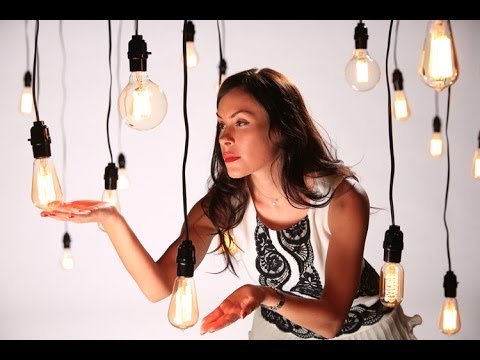
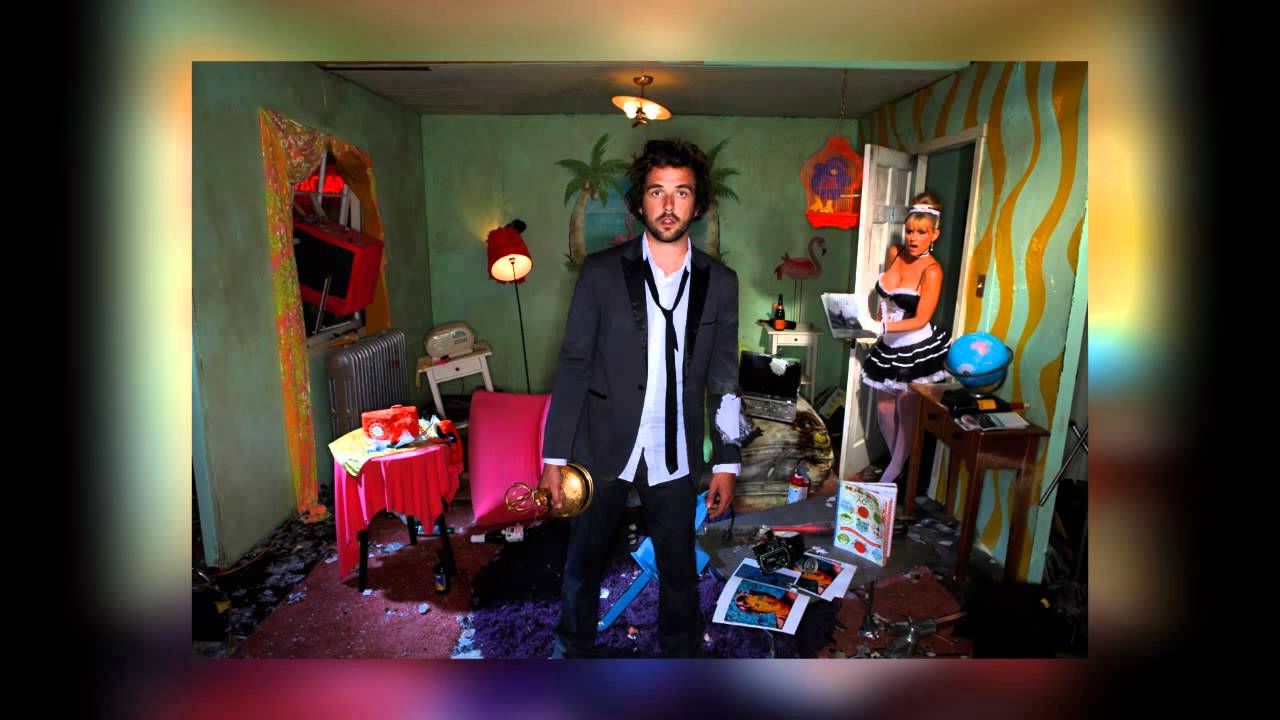
Every few months I’ll be mid-prep on an editorial shoot and realize the background problem is going to eat my whole morning. Seamless paper with uneven tension reads as dark bands under direct light. A plain wall works until you try to make it feel like something. I’ve jury-rigged solutions for years, sketching them into my lighting journal after the fact and vowing to refine the approach next time. So when I came across Karl Taylor’s step-by-step portrait breakdown from Visual Education, I stopped what I was doing and watched it twice.

Sync or Swim: How to Connect Your Strobes to Your Camera (Three Methods, Ranked by a Working Pro)

Sync or Swim: How to Connect Your Strobes to Your Camera (Three Methods, Ranked by a Working Pro)

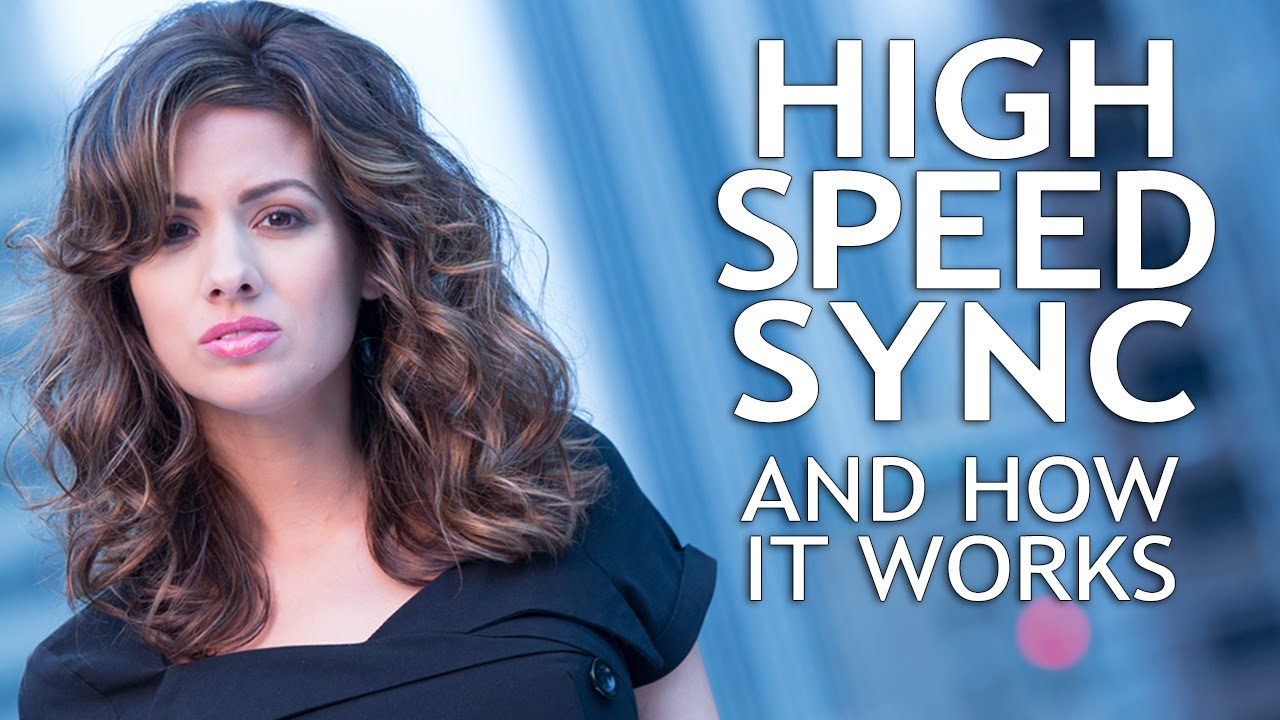
Every working studio photographer has a story about the shoot where their lights refused to cooperate. Mine involved a fashion client, three Profoto heads, and a radio trigger with a dying battery I hadn’t checked. The strobes fired maybe one frame in five. I smiled through it, shot tethered so the client could see something on the laptop, and fixed it in the next lighting setup. What I needed that day wasn’t more gear knowledge – I needed a cleaner mental framework for understanding how sync actually works and what to reach for when things go sideways.

Taking the Octodome Outside: A Location Lighting Breakdown from Sand to Fire

Taking the Octodome Outside: A Location Lighting Breakdown from Sand to Fire

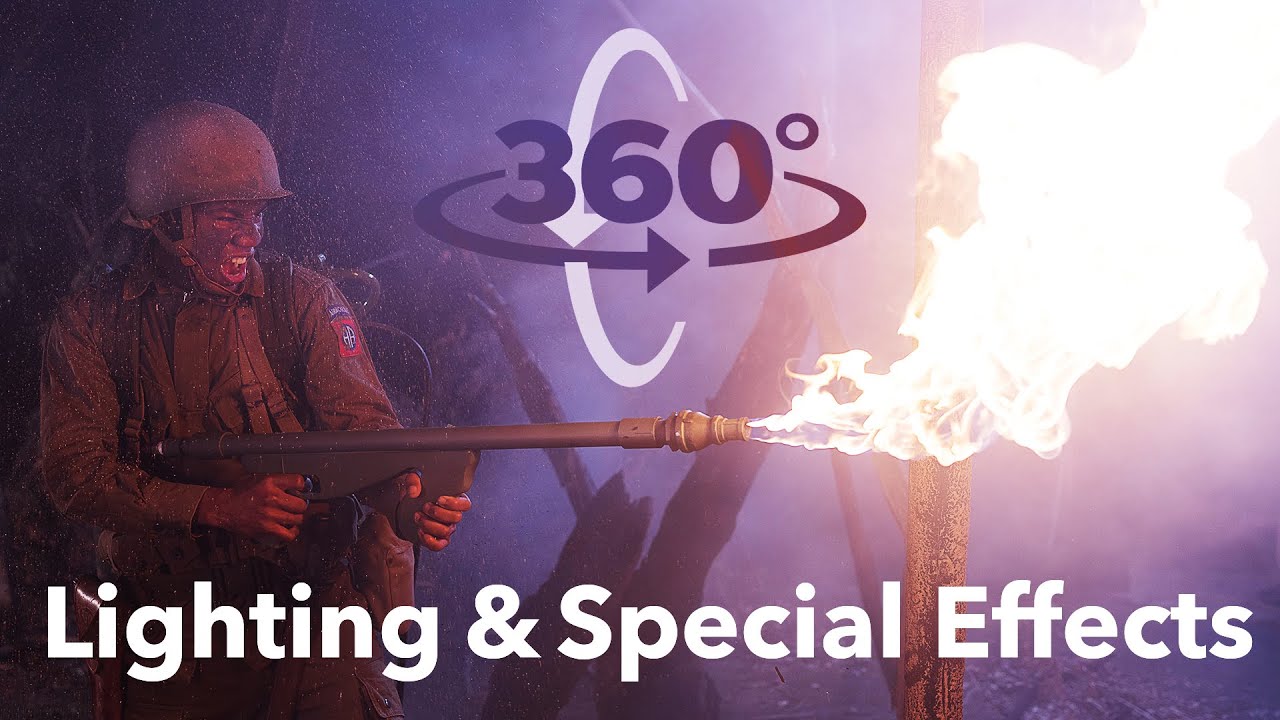
Every time I take strobes outside, I’m reminded that natural light is not your friend — it’s a variable you have to negotiate with. The sun moves, clouds shift, and the beautiful golden hour you planned around disappears in about twelve minutes. What I always come back to is having a system: know where your ambient is coming from, decide how to use it, then build your artificial light around that decision.

One Flash, Full Control: Why Manual Mode Is the Only Way to Light Seriously

One Flash, Full Control: Why Manual Mode Is the Only Way to Light Seriously

Every bad habit I’ve developed in this business started with me reaching for a shortcut before I understood the fundamentals. Flash was no different. Early in my commercial work, I was running TTL on location shoots and wondering why my results felt inconsistent, why I’d nail an exposure in one room and completely lose it in the next. The truth was that I didn’t actually control my light. My camera did, and it had no idea what I was going for.

One Light Is a Starting Point. Here's How Two More Turn It Into a Real Portrait.

One Light Is a Starting Point. Here's How Two More Turn It Into a Real Portrait.

Every working portrait photographer eventually runs into the same problem: a technically correct key light that produces a flat, airless image. The subject is lit. The exposure is right. And the photo looks like a DMV headshot. What’s missing isn’t more light, it’s separation, depth, and the kind of shadow structure that makes a face look three-dimensional on a two-dimensional surface. That’s the problem this tutorial addresses directly. In this The Slanted Lens tutorial, photographer Jay P.

Feathering Your Softbox: The One Adjustment That Separates Controlled Light from Flat Light

Feathering Your Softbox: The One Adjustment That Separates Controlled Light from Flat Light

There’s a specific kind of frustration I know well. You’re on location, you’ve set the softbox, taken your first frame, and everything is lit. The ground. The background. The subject’s shoes. The fence nobody asked for. The light is doing its job technically, but the image looks like a police procedural, not a portrait. For years, I adjusted power output trying to solve a problem that was never about power. It was about aim.

Why Top Back Lighting Is My Go-To for Product Work (And How to Set It Up in Three Lights)

Why Top Back Lighting Is My Go-To for Product Work (And How to Set It Up in Three Lights)

Every product shooter I know, at some point, makes the same mistake. The client wants something simple, the deadline is tight, and the light goes right next to the camera because that’s the safe, fast choice. I’ve done it. The result is always the same: flat surfaces, no separation, a product that looks like a catalog scan from 1997. I kept doing it even after I knew better, because moving the light behind the subject felt counterintuitive and, honestly, a little risky when you’re on the clock.

Steal the Concepts, Not the Style: What Bambi Cantrell's Posing Tutorial Actually Teaches You

Steal the Concepts, Not the Style: What Bambi Cantrell's Posing Tutorial Actually Teaches You

I keep a lighting journal. Every shoot, I sketch the setup in a small hardcover notebook I’ve had since my second year shooting commercially. Modifiers, distances, angles, the subject’s position relative to the key light. What I’ve noticed, flipping back through years of those sketches, is that my best work doesn’t come from copying someone else’s exact setup. It comes from understanding why a setup works and then bending it to fit the way I think.

Five Lights, One Great Portrait: A Working Photographer's Breakdown of Classic Studio Lighting

Five Lights, One Great Portrait: A Working Photographer's Breakdown of Classic Studio Lighting

Every few years I’ll be prepping for a straightforward editorial portrait and a newer assistant will ask me why I’m setting up five lights for a single-subject shot. The honest answer is that each light is doing a specific, non-negotiable job. Remove any one of them and the image degrades in a way that’s immediately visible to anyone who shoots professionally. The problem is that most photographers learn these lights in isolation, so they understand what a fill light is in theory without ever feeling the actual difference it makes when you dial it up or pull it back.

How to Make Sunlight Look Like Moonlight: A Step-by-Step Lighting Breakdown

How to Make Sunlight Look Like Moonlight: A Step-by-Step Lighting Breakdown

There’s a specific kind of panic that hits when you’re on a set and the light outside is doing something beautiful but completely wrong for your shot. I’ve been there more than once, staring at warm afternoon window light pouring across a scene that was supposed to feel cold and cinematic. For years, I treated that as a problem to fix in post. Then I started understanding white balance not as a correction tool, but as a creative weapon.

How to Build a Falling Snow Rig (and Actually Light It So It Reads on Camera)

How to Build a Falling Snow Rig (and Actually Light It So It Reads on Camera)

Every few winters, a client asks for falling snow in a shot. The first time it happened to me, it was July, we were on a stage in Culver City, and the brief said “cozy winter scene.” I’ve been in commercial photography long enough to know that “we’ll fix it in post” is rarely the right answer for something as kinetic as falling snow. You need the real thing, or something close enough that the camera believes it.

Mixing Strobes and Continuous Light: How to Make Two Completely Different Light Sources Work Together

Mixing Strobes and Continuous Light: How to Make Two Completely Different Light Sources Work Together

There is a specific kind of portrait shot that stops people mid-scroll. It has depth, warmth, a shaft of light cutting through atmosphere. It looks like it was lit by someone who understood both cinema and photography at the same time. For years, I chased that look by piling on more strobes, more modifiers, more complexity. The answer, it turns out, was simpler and more disruptive: stop using only one type of light source.