How to Light a Subject 100 Feet Long When Your Strobes Are Built for a Studio

How to Light a Subject 100 Feet Long When Your Strobes Are Built for a Studio

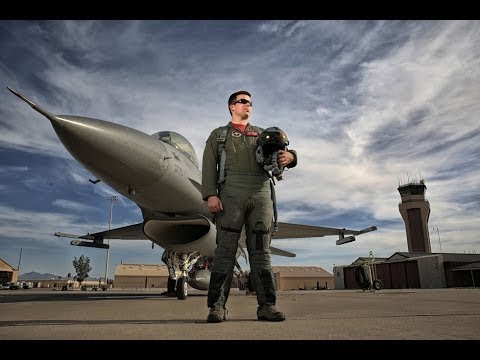
Most of the lighting problems I solve happen within four walls. My studio in Los Angeles is a controlled environment, and I’ve spent years learning how to predict exactly what a modifier will do at a given distance. Then a shoot comes along that strips all of that away, and you remember what lighting fundamentals actually look like when the subject is a 50-foot fighter jet baking on a tarmac at 105 degrees.

Strobe Plus Reflector: The Two-Light Location Setup That Does the Work of Three

Strobe Plus Reflector: The Two-Light Location Setup That Does the Work of Three

There’s a specific frustration that comes up on almost every outdoor portrait shoot, and if you’ve been doing this long enough, you know exactly what I mean. You meter for the sky, and your subject goes dark. You expose for your subject, and the sky blows out. You’re constantly trading one problem for another, and no amount of reflector-wrangling fully closes the gap. It’s the kind of thing that used to derail my editorial work before I got disciplined about treating ambient and artificial light as two separate, controllable variables rather than one problem to compromise on.

The Satellite Staro: What This Discontinued Modifier Taught Me About Filmic Studio Light

The Satellite Staro: What This Discontinued Modifier Taught Me About Filmic Studio Light

There are modifiers I reach for out of habit, and then there are the ones that genuinely change how I think about light. The Satellite Staro from Broncolor falls into the second category, even though I came to it late and even though Broncolor has since pulled it from production. I keep a lighting journal, every setup from every shoot sketched out with notes on what worked and what didn’t, and the Staro has its own dedicated page with question marks next to words like “filmic” and “tonal depth.

One Flash, One Room, Pro Results: A Studio Lighting Walkthrough with Neewer's Z2 Pro and Z3R

One Flash, One Room, Pro Results: A Studio Lighting Walkthrough with Neewer's Z2 Pro and Z3R

Most of my clients assume I’m working with a truck full of Profoto heads and a crew of assistants. The truth is that some of my cleanest editorial portraits have come from a single flash, a good modifier, and a room small enough that I could touch both walls with my arms stretched out. That gap between what people think pro lighting requires and what actually produces pro results is exactly what keeps beginners stuck.

What a Snoot Actually Does to Your Light (And When to Reach for One)

What a Snoot Actually Does to Your Light (And When to Reach for One)

There’s a modifier sitting in most photographers’ gear bags that gets used either constantly or almost never, with very little middle ground. The snoot is one of those tools that sounds simple until you actually try to control it on a real set, and then the questions start piling up fast. How narrow is the coverage, really? How does it compare to a grid? Why does my shadow side look muddier than I expected?

How to Hand Off from Natural Light to Strobes Without Losing the Sky

How to Hand Off from Natural Light to Strobes Without Losing the Sky

There is a specific kind of panic that hits when you are on location, the ambient light is dropping faster than you planned, and you still have half your shot list to finish. I have been there more times than I care to count, and for years my solution was either to push ISO until the image fell apart or to pack up and reschedule. Neither option is acceptable when a client is standing next to you.

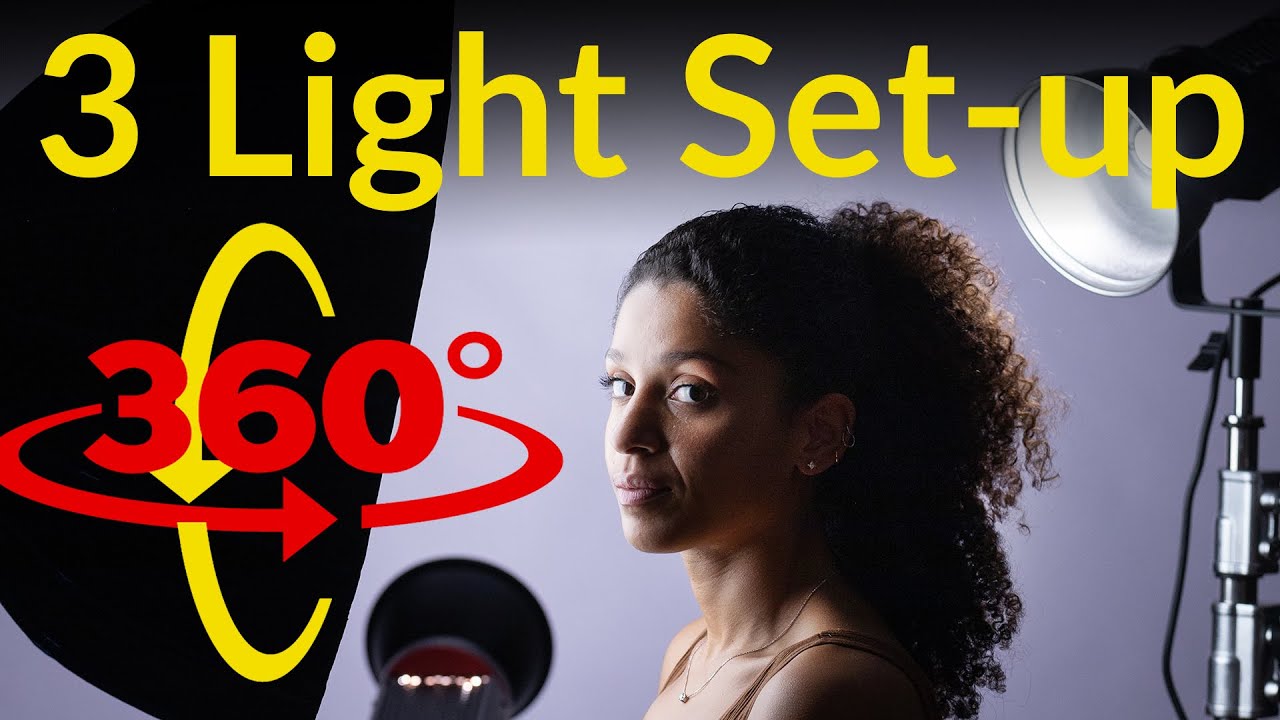
Blue Rim Light, a Snoot, and a Piece of Foam: How Three Lights Can Build a Moody Portrait

Blue Rim Light, a Snoot, and a Piece of Foam: How Three Lights Can Build a Moody Portrait

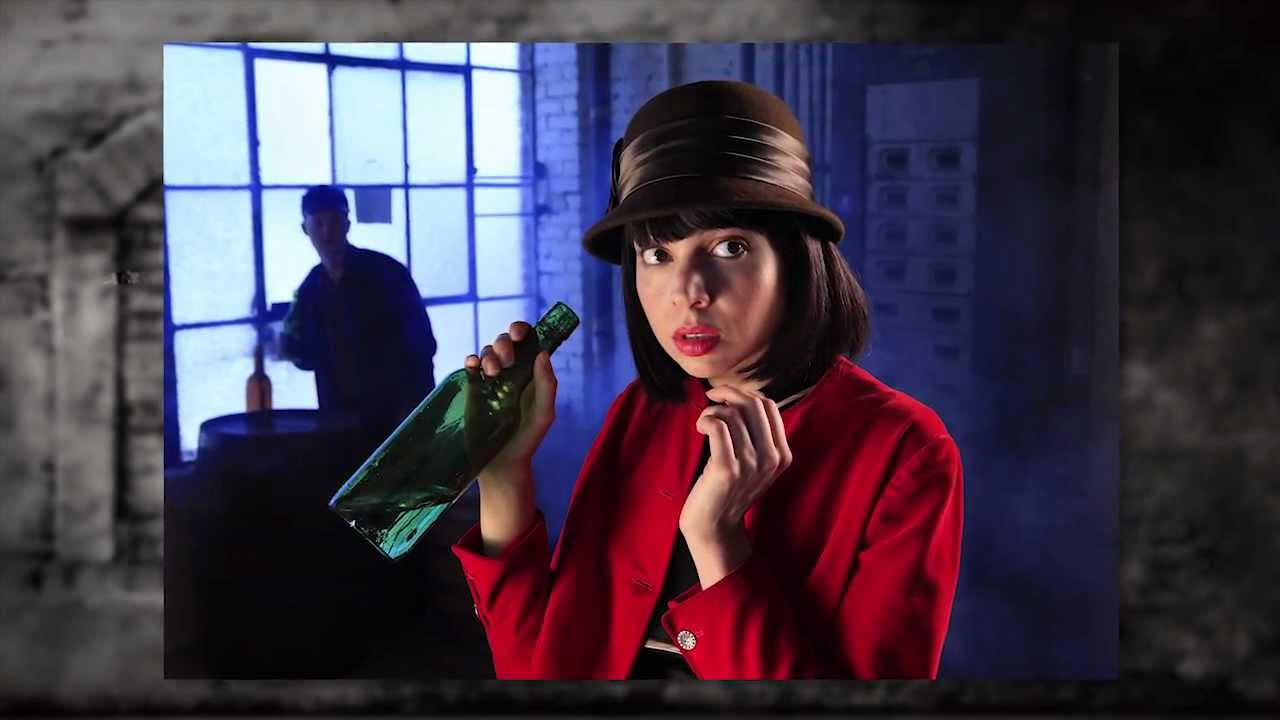
There’s a setup problem I run into constantly on commercial jobs: the client wants drama, the budget allows for maybe a half-day studio rental, and I need to build a look that feels expensive without stacking up eight light heads and a crew of three assistants. The answer, almost every time, is learning to do more with less. Colored rim lights, a tight modifier on the key, and a reflector you found leaning against the wall.

Speedlights in the Studio: What I Wish Someone Had Told Me Before My First Portable Flash Shoot

Speedlights in the Studio: What I Wish Someone Had Told Me Before My First Portable Flash Shoot

Every working photographer I know has a box of speedlights sitting in a closet somewhere. They bought them early on, used them for events or fill flash, then graduated to strobes and never looked back. I did the same thing. For years I treated my speedlights as backup gear, the kind of thing you grab when a power outlet isn’t available or a client wants something “run and gun.” It took me an embarrassingly long time to understand that with the right approach, those little units can produce images that hold up against full studio setups.

One Desk Lamp, One Subject, Zero Excuses: What Project 3 Taught Me About Lighting Control

One Desk Lamp, One Subject, Zero Excuses: What Project 3 Taught Me About Lighting Control

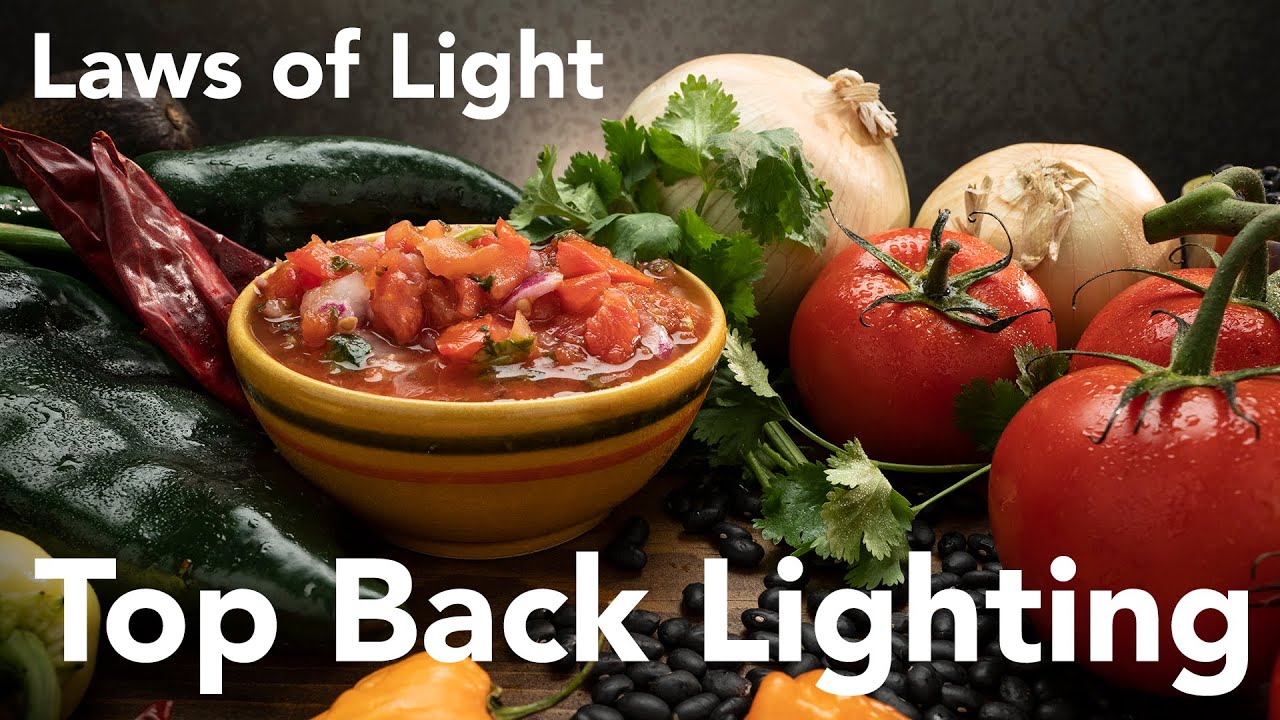
There’s a specific problem that comes up constantly in commercial food and product work: shiny surfaces that either blow out completely or go flat and lifeless depending on where you put your light. I’ve burned through more test shots than I care to count trying to dial in the relationship between a glossy surface and the matte areas surrounding it. Too much light and you lose the specular highlight that tells the viewer “this is wet, this is fresh.