How to Read a Location for Light Before You Shoot a Single Frame

How to Read a Location for Light Before You Shoot a Single Frame

Every location shoot I walk into, I do the same thing before I touch a single piece of gear. I stop at the door and I look for the light that’s already there. Not the light I brought. The light that exists. Most photographers I know do the opposite. They walk in with a plan built in the parking lot and spend the next hour trying to force that plan onto a space that doesn’t want it.
How to Light a Subject 100 Feet Long When Your Strobes Are Built for a Studio

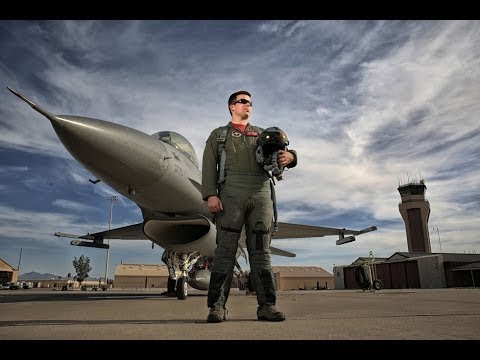
How to Light a Subject 100 Feet Long When Your Strobes Are Built for a Studio

Most of the lighting problems I solve happen within four walls. My studio in Los Angeles is a controlled environment, and I’ve spent years learning how to predict exactly what a modifier will do at a given distance. Then a shoot comes along that strips all of that away, and you remember what lighting fundamentals actually look like when the subject is a 50-foot fighter jet baking on a tarmac at 105 degrees.

Strobe Plus Reflector: The Two-Light Location Setup That Does the Work of Three

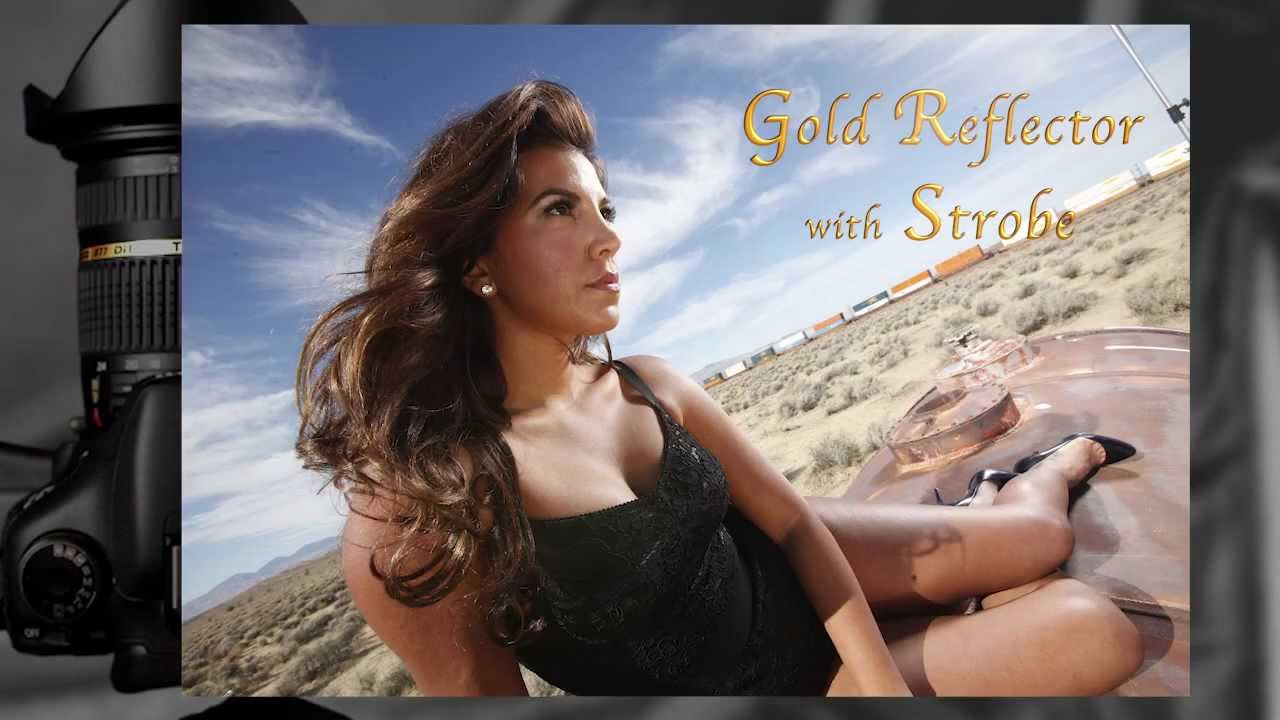
Strobe Plus Reflector: The Two-Light Location Setup That Does the Work of Three

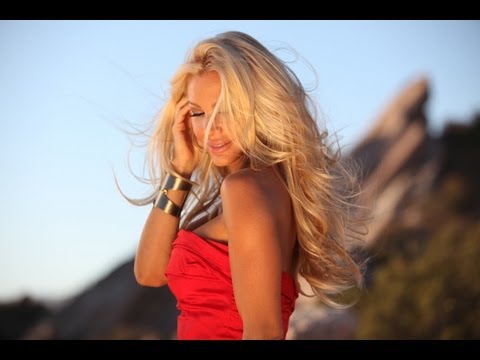
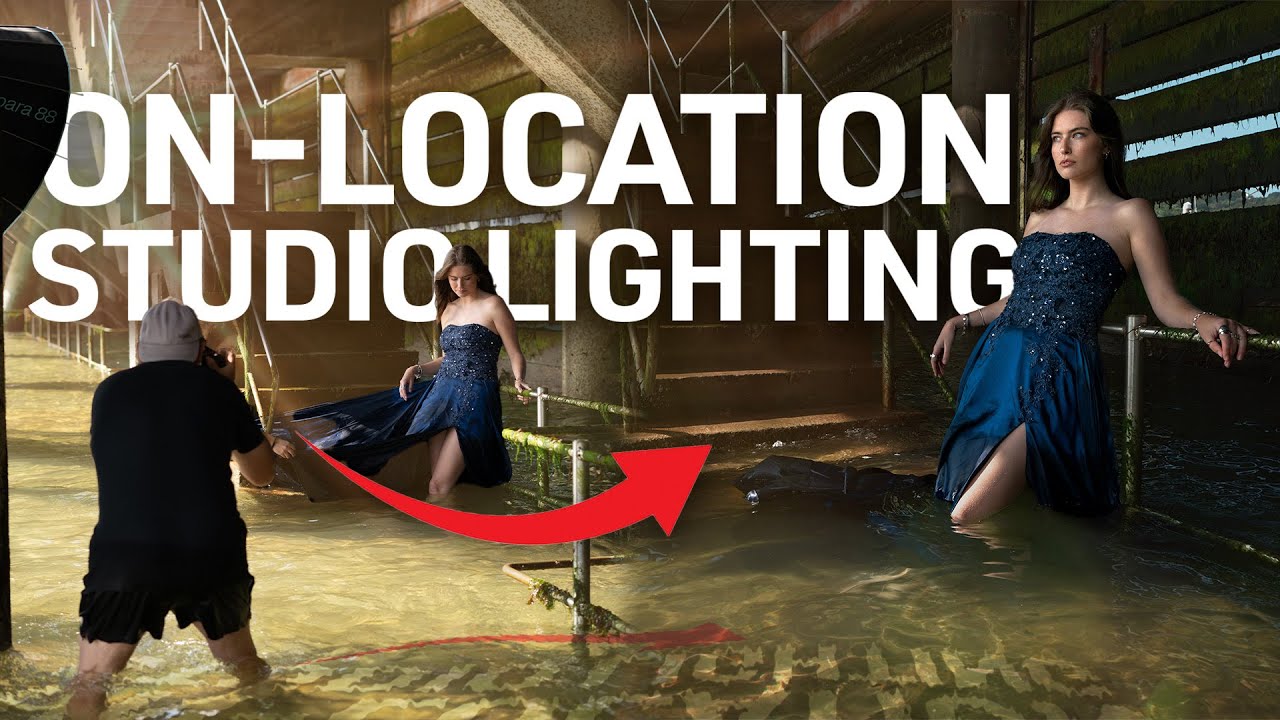
There’s a specific frustration that comes up on almost every outdoor portrait shoot, and if you’ve been doing this long enough, you know exactly what I mean. You meter for the sky, and your subject goes dark. You expose for your subject, and the sky blows out. You’re constantly trading one problem for another, and no amount of reflector-wrangling fully closes the gap. It’s the kind of thing that used to derail my editorial work before I got disciplined about treating ambient and artificial light as two separate, controllable variables rather than one problem to compromise on.

Use Depth of Field as a Design Decision, Not an Afterthought: Lessons from Vasquez Rocks

Use Depth of Field as a Design Decision, Not an Afterthought: Lessons from Vasquez Rocks

Most of my work happens in a controlled studio environment where I can label every light with masking tape, dial in my ratios, and sketch the setup in my lighting journal before I fire a single frame. But location work strips all of that away. The background is whatever it is. The sun moves whether you want it to or not. And if you haven’t thought through how your lens choice and aperture are going to shape the image before you arrive, you end up fighting the environment instead of using it.

How to Hand Off from Natural Light to Strobes Without Losing the Sky

How to Hand Off from Natural Light to Strobes Without Losing the Sky

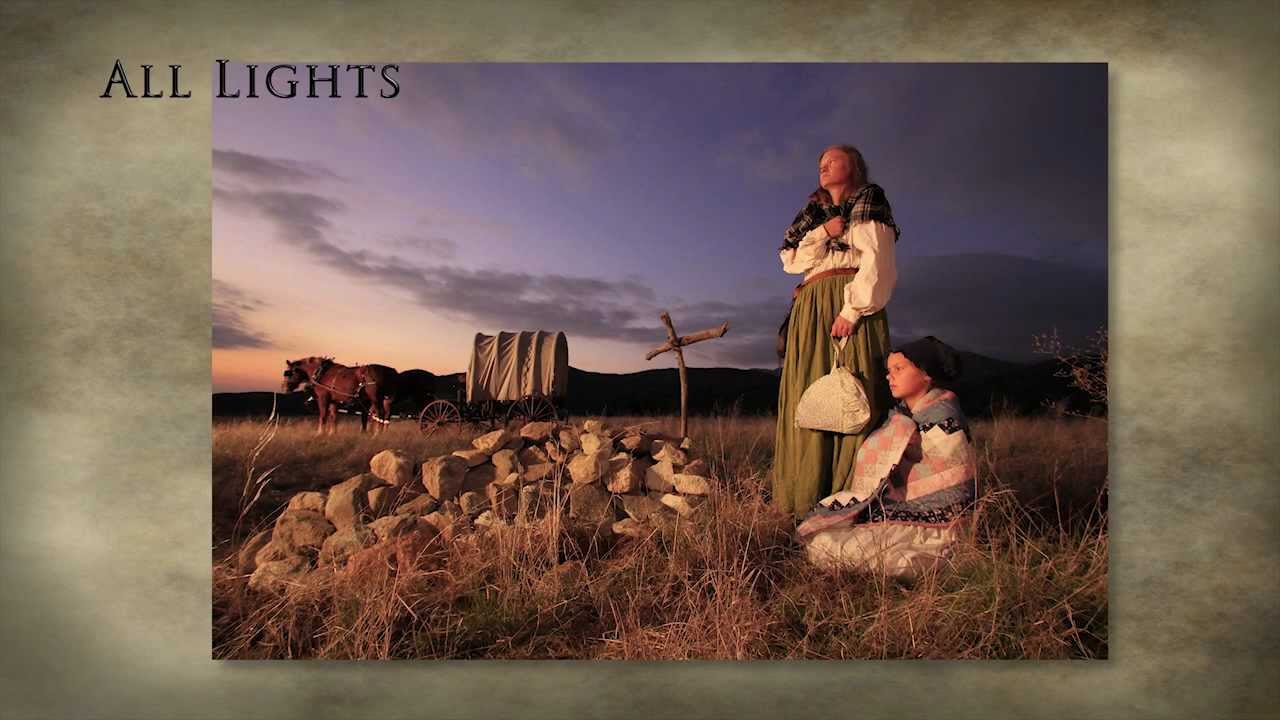
There is a specific kind of panic that hits when you are on location, the ambient light is dropping faster than you planned, and you still have half your shot list to finish. I have been there more times than I care to count, and for years my solution was either to push ISO until the image fell apart or to pack up and reschedule. Neither option is acceptable when a client is standing next to you.

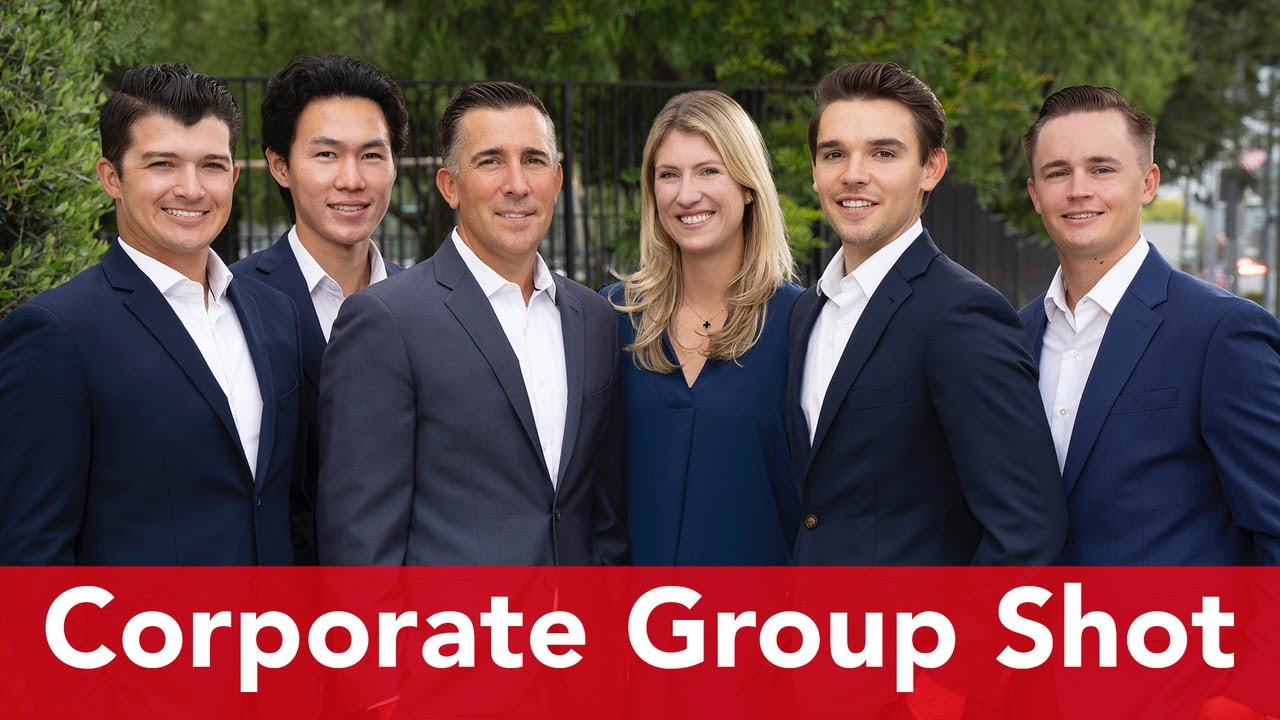
Two Lights, Thirty Minutes: How to Nail a Corporate Group Shot on Location

Two Lights, Thirty Minutes: How to Nail a Corporate Group Shot on Location

Corporate group shots are the kind of assignment that can quietly ruin your day if you haven’t thought them through. You finish individual portraits, the client is happy, and then someone says “can we get the whole team together?” You have thirty minutes, the background is whatever it is, and six or eight people are about to look at you like you know exactly what you’re doing. I’ve been in that position more times than I want to count, and my early attempts at group work were embarrassing.

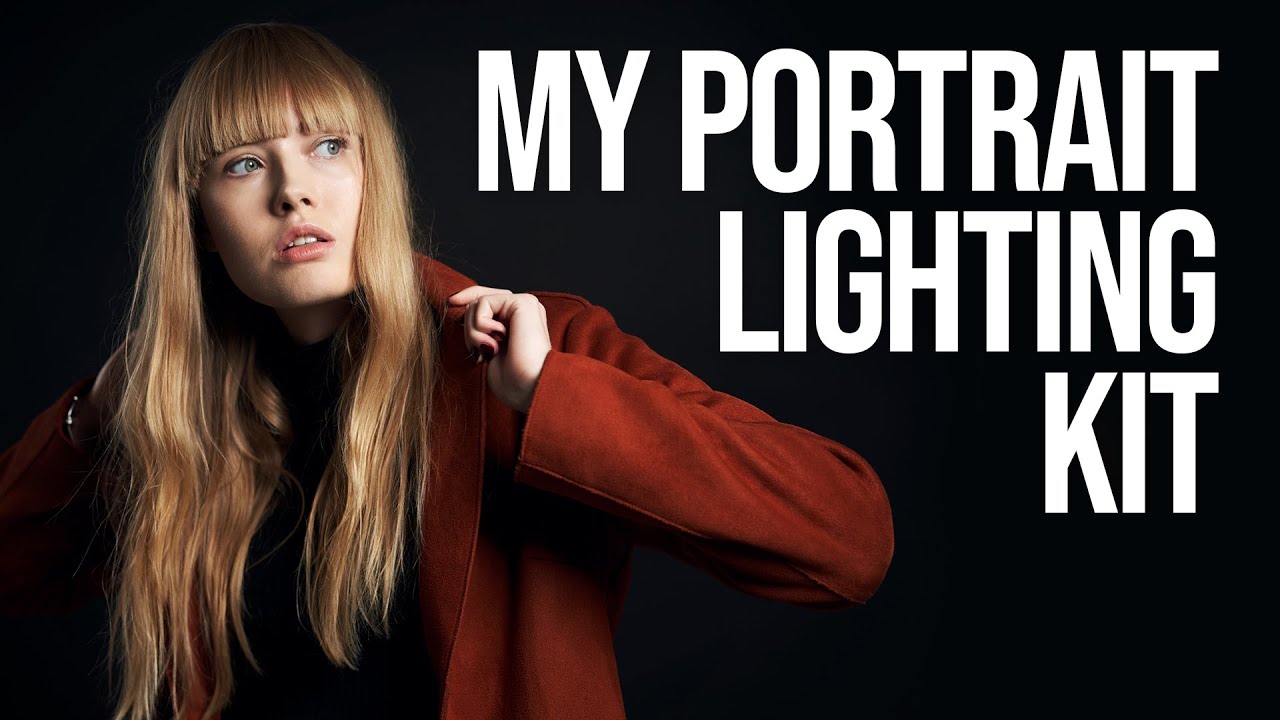
Building a Travel-Ready Portrait Lighting Kit Around the Godox AD200: Lessons from Sean Tucker

Building a Travel-Ready Portrait Lighting Kit Around the Godox AD200: Lessons from Sean Tucker

For years, my commercial work meant hauling a rolling bag that weighed nearly as much as I do. Big monolights, extension cables, a separate power pack the size of a shoebox. I kept it all organized with masking tape labels and a lighting journal I’ve maintained since my first editorial job, but none of that organization made the bag lighter. The turning point came after I started looking seriously at battery-powered compact strobes, and the questions I was asking myself were exactly the ones Sean Tucker works through in this tutorial.

How to Use a Battery-Powered Monolight Outdoors Without Losing Control of Your Exposure

How to Use a Battery-Powered Monolight Outdoors Without Losing Control of Your Exposure

Every location photographer eventually hits the same wall. You find a beautiful spot, the natural light is doing something interesting, and then your subject steps into the shade and becomes a muddy silhouette. You can expose for the shadows and blow out the background, or expose for the background and lose your subject entirely. Neither is acceptable on a commercial job. For years, the only real solution was hauling a generator or accepting the compromise.

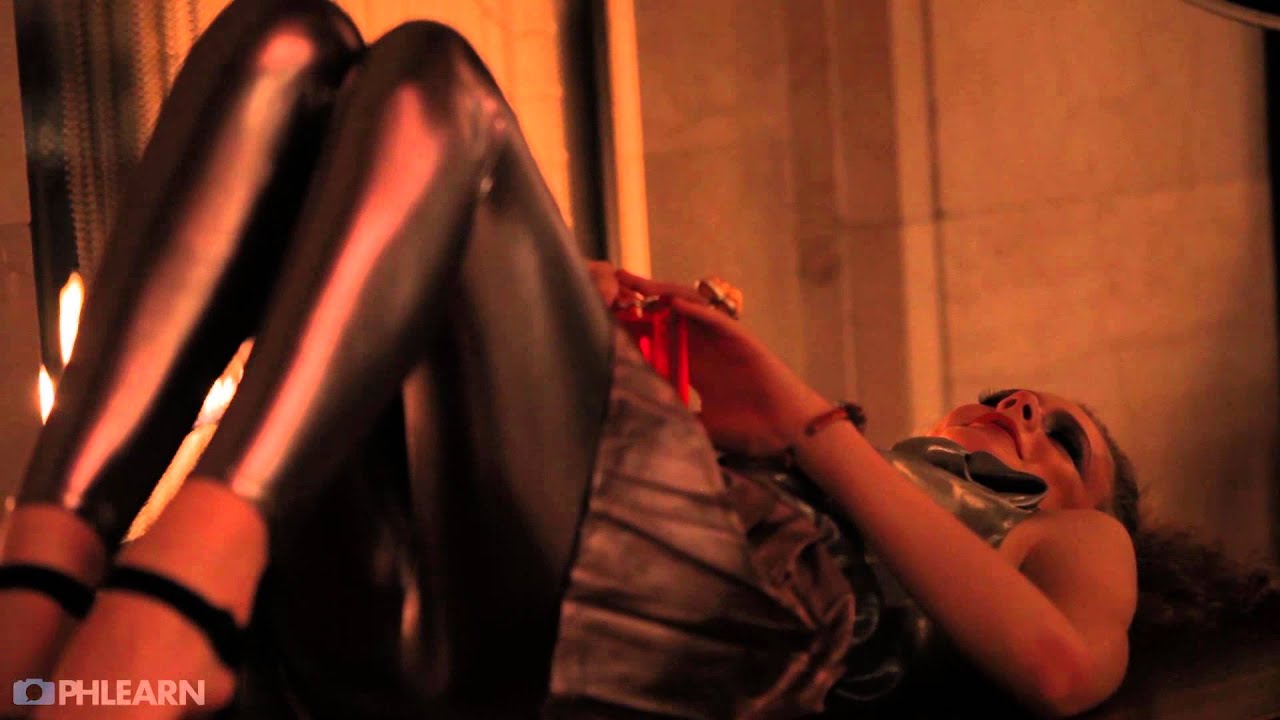
Underlighting, Smoke, and Backlit Horror: What This Night Shoot Tutorial Taught Me About Atmospheric Lighting

Underlighting, Smoke, and Backlit Horror: What This Night Shoot Tutorial Taught Me About Atmospheric Lighting

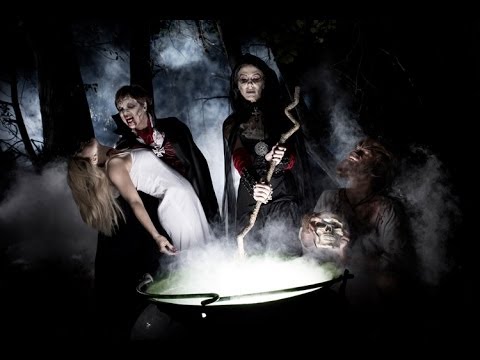
Halloween shoots are not my usual territory. My week typically involves a beauty brand’s new serum, a corporate headshot marathon, or a fashion editorial where the biggest drama is a wardrobe change. But atmospheric night lighting outdoors, with practical effects and monstrous characters? That’s a completely different problem set, and one I have embarrassingly little experience solving. When I stumbled across JP Morgan’s advanced night lighting tutorial from The Slanted Lens, I watched it three times, then opened my lighting journal and started sketching.

Never Run Out of Juice on Location: Joel Grimes' Battery Pack System for Strobe Shooters

Never Run Out of Juice on Location: Joel Grimes' Battery Pack System for Strobe Shooters

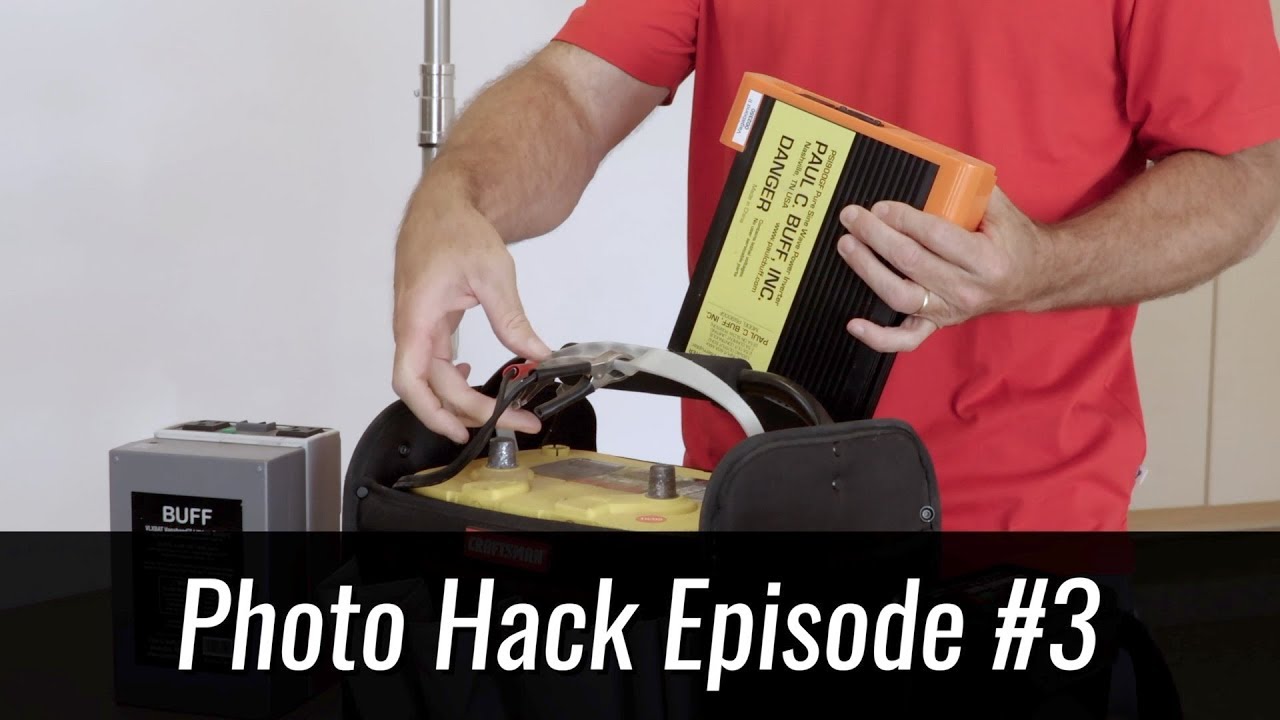
There is one specific kind of dread I know too well: standing on a location shoot, three lights running, no outlet within a hundred yards, and a battery indicator that is not cooperating. I have been doing commercial work long enough to know that power logistics are not glamorous, but they will end your shoot faster than bad light ever will. When I first started doing outdoor work for fashion clients here in Los Angeles, my entire power strategy was “stay close to a building.

Off-Camera Flash at Weddings: How to Use a Secondary Strobe Without Killing the Mood

Off-Camera Flash at Weddings: How to Use a Secondary Strobe Without Killing the Mood

Wedding receptions are one of the few situations where I genuinely have to fight my studio instincts. My default is control: flagged lights, metered backgrounds, everything taped and labeled. A reception hall gives you none of that. The light is already doing something, the room has a mood, and your job is to work inside it rather than override it. That tension between “enough light to get the shot” and “too much light to keep the feeling” is exactly what this tutorial addresses.

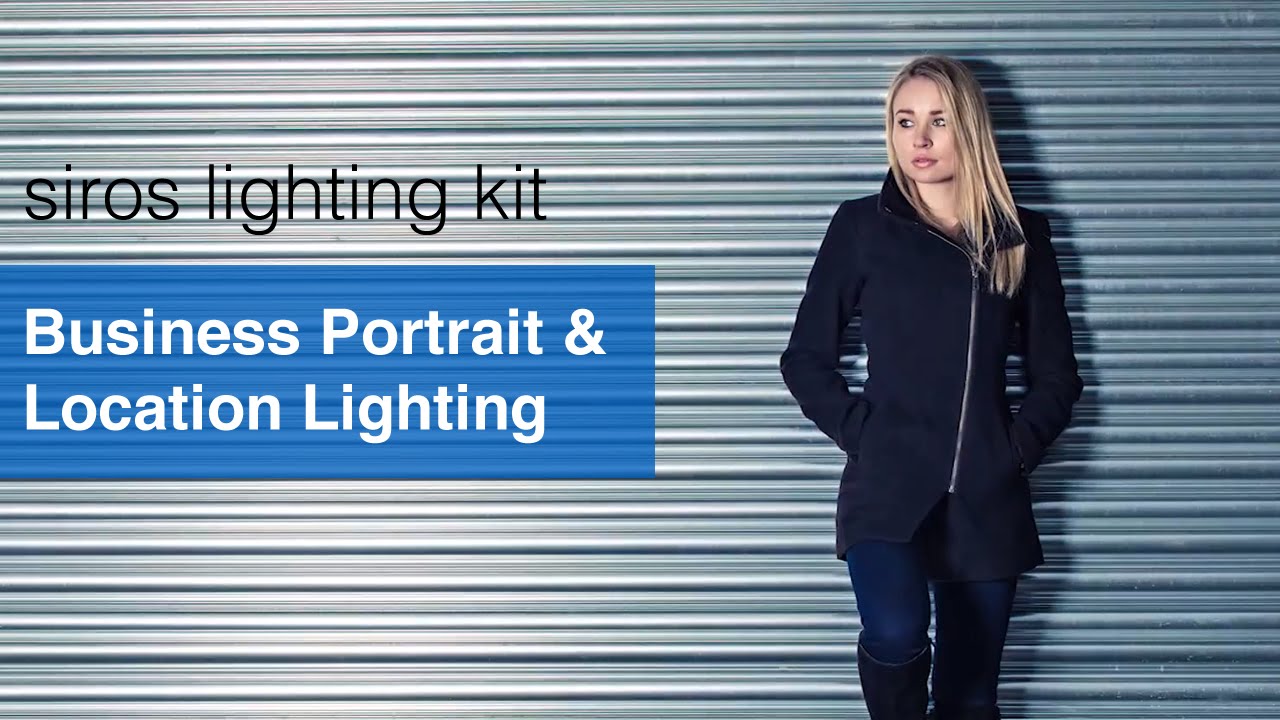
How to Light Business Portraits in Tight Office Spaces Using Bounce and Fill

How to Light Business Portraits in Tight Office Spaces Using Bounce and Fill

There is one scenario that comes up constantly in corporate location work and never gets easier: you walk into the meeting room, the client is waiting, and you have roughly the square footage of a large bathroom to produce a portrait that looks like it was shot in a proper studio. I have been in that situation more times than I care to count. My usual instinct used to be to force a softbox into the space and fight the ceiling tiles.