The Five Essential Portrait Lighting Patterns Every Photographer Must Master

The Five Essential Portrait Lighting Patterns Every Photographer Must Master

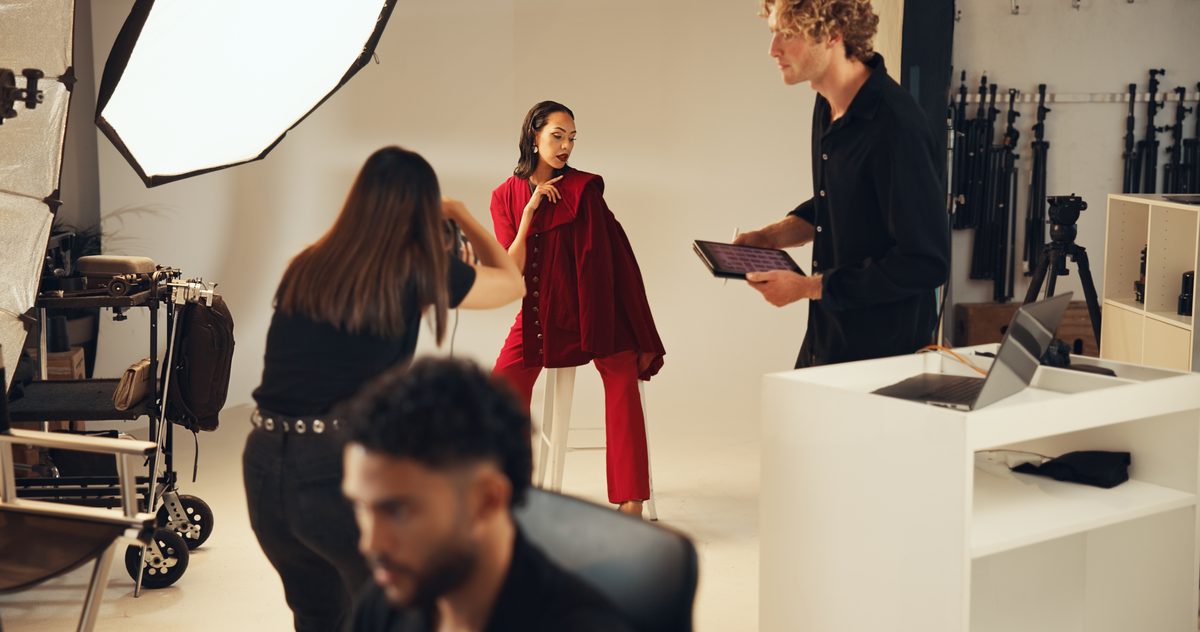
The Five Essential Portrait Lighting Patterns Every Photographer Must Master I’ve spent twenty years in studios, and I can tell you this: lighting patterns aren’t creative luxuries—they’re the grammar of professional portraiture. Master these five setups, and you’ll handle 90% of the work that walks through your door. Deviate from them without understanding why, and you’ll chase problems instead of solving them. Paramount Lighting (Beauty Light Position) Paramount lighting is the safest choice for a reason: it flatters nearly every face.
The Studio Workflow That Stops Wasting Your Time

The Studio Workflow That Stops Wasting Your Time

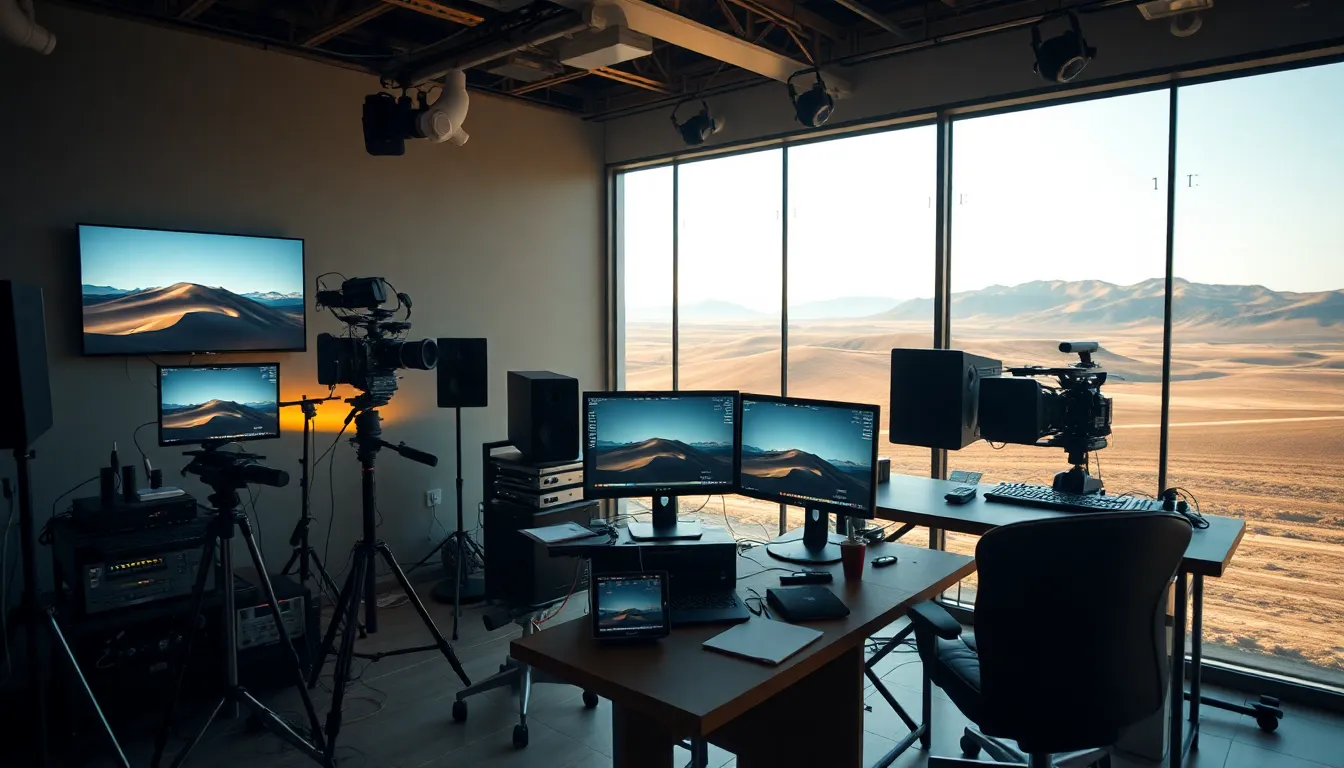
I’ve spent years watching photographers fumble through studio sessions—adjusting lights between every shot, repositioning modifiers mid-shoot, asking subjects to hold poses while they figure out their camera settings. It’s painful to watch, and it’s costing them money. Your studio workflow is the skeleton of your business. Get it right, and you’ll shoot 40% faster while actually improving your images. Get it wrong, and you’ll spend half your day troubleshooting instead of creating.

The Studio Workflow That Actually Works

The Studio Workflow That Actually Works

The Studio Workflow That Actually Works I’ve spent fifteen years refining my studio process, and I’ve learned that the difference between a chaotic shoot and a smooth one isn’t talent—it’s structure. A solid workflow removes decision fatigue, lets you focus on your subject, and produces consistent, professional results. Here’s the exact system I use. Pre-Session Prep Is Non-Negotiable Before anyone steps foot in my studio, I’ve already made 80% of my creative decisions.

The Studio Workflow That Actually Works: My 15-Year System

The Studio Workflow That Actually Works: My 15-Year System

The Studio Workflow That Actually Works: My 15-Year System I’ve watched photographers waste entire afternoons chasing light instead of capturing it. They move modifiers randomly, adjust power settings without measuring results, and change poses every thirty seconds. By the end of the shoot, they’ve got scattered images and no repeatable process. I don’t work that way. After fifteen years in the studio, I’ve built a workflow that removes variables, speeds up execution, and produces consistent results every single time.

The Non-Negotiable Studio Workflow: My Process for Consistent Results

The Non-Negotiable Studio Workflow: My Process for Consistent Results

The Non-Negotiable Studio Workflow: My Process for Consistent Results I’ve shot enough portraits in my studio to know that consistency doesn’t happen by accident. It happens because you build a system and defend it. Every session follows the same sequence, the same measurements, the same decision tree. This isn’t about being rigid—it’s about removing friction so you can focus on the human element. Pre-Session Prep: The Blueprint Matters Before anyone steps in front of my camera, I’ve already made 80% of my technical decisions.

The Five Portrait Lighting Patterns Every Studio Photographer Must Master

The Five Portrait Lighting Patterns Every Studio Photographer Must Master

The Five Portrait Lighting Patterns Every Studio Photographer Must Master I’ve spent the last fifteen years refining my approach to portrait lighting, and I can tell you with absolute certainty: mastering five core patterns will solve 90% of your lighting challenges. These aren’t creative flourishes or trends. They’re time-tested frameworks that work because they follow the same principles that have guided portrait photographers since the days of studio flash. Let me walk you through each one.

The Architecture of Posture: Mastering Body Angles and Line Flow

The Architecture of Posture: Mastering Body Angles and Line Flow

The Architecture of Posture: Mastering Body Angles and Line Flow I’ve watched photographers light a subject beautifully, then waste it all with flat, lifeless posing. It’s like preparing a gourmet sauce only to pour it over cardboard. Posing isn’t decoration—it’s foundational architecture that either supports or collapses under the weight of your lighting. The 45-Degree Rule: Your Foundation I position every client’s shoulders at roughly 45 degrees to the camera. This is non-negotiable.

Posing Guide: Hands and Arms in Portrait Photography

Posing Guide: Hands and Arms in Portrait Photography

Hands are the most frequently problematic element in portrait photography. They either look stiff, disappear awkwardly, or dominate the frame. The good news is that a few clear principles solve the majority of hand and arm posing problems. The Core Principle: Give Hands Something to Do Hands look worst when they hang lifelessly at someone’s sides. The moment you give them a purpose, touching a surface, holding an object, resting on a body, they look natural.

Group Lighting: The Recipe for Sharp, Even Exposures Across Multiple Subjects

Group Lighting: The Recipe for Sharp, Even Exposures Across Multiple Subjects

Group Lighting: The Recipe for Sharp, Even Exposures Across Multiple Subjects I’ve lit hundreds of group portraits, and I can tell you this: most photographers fail at group lighting because they treat it like a scaled-up version of single-subject work. It isn’t. The math changes. The angles change. And if you get it wrong, someone always looks like they’re standing in a cave while someone else gets blown out. Let me give you the recipe I use, broken down into actionable steps.

Group Lighting: The Only Setup You Actually Need

Group Lighting: The Only Setup You Actually Need

Group Lighting: The Only Setup You Actually Need I’ve lit hundreds of group portraits, and I can tell you with certainty: most photographers overcomplicate this. They add lights like they’re seasoning a dish without tasting it first. The result is muddy, unflattering light that makes everyone look tired. The truth is simpler. You need three lights. Not five. Not seven. Three. The Core Formula: Key, Fill, Separation I treat group lighting like a recipe because it is one.

Group Lighting: The Four-Light System That Works Every Time

Group Lighting: The Four-Light System That Works Every Time

Group Lighting: The Four-Light System That Works Every Time I’ve lit hundreds of group portraits, and I can tell you this: most photographers overcomplicate it. They chase trendy modifiers, obsess over brand names, and abandon their setup the moment something feels “off.” Then they blame the lighting. I don’t work that way. I use the same four-light system for nearly every group shoot, from five people to twenty. It’s not sexy.

Flash Photography Fundamentals: Building Your Technique from the Ground Up

Flash Photography Fundamentals: Building Your Technique from the Ground Up

Flash Photography Fundamentals: Building Your Technique from the Ground Up I’ve spent twenty years in studios watching photographers stumble with flash because they treat it like an on-off switch rather than a precision tool. Flash intimidates people. It shouldn’t. Once you understand the mechanics, it becomes as controllable as any other light source—sometimes more so. The Core Recipe: Understanding Flash Exposure Flash exposure works differently than ambient light, and this is where most photographers lose control.