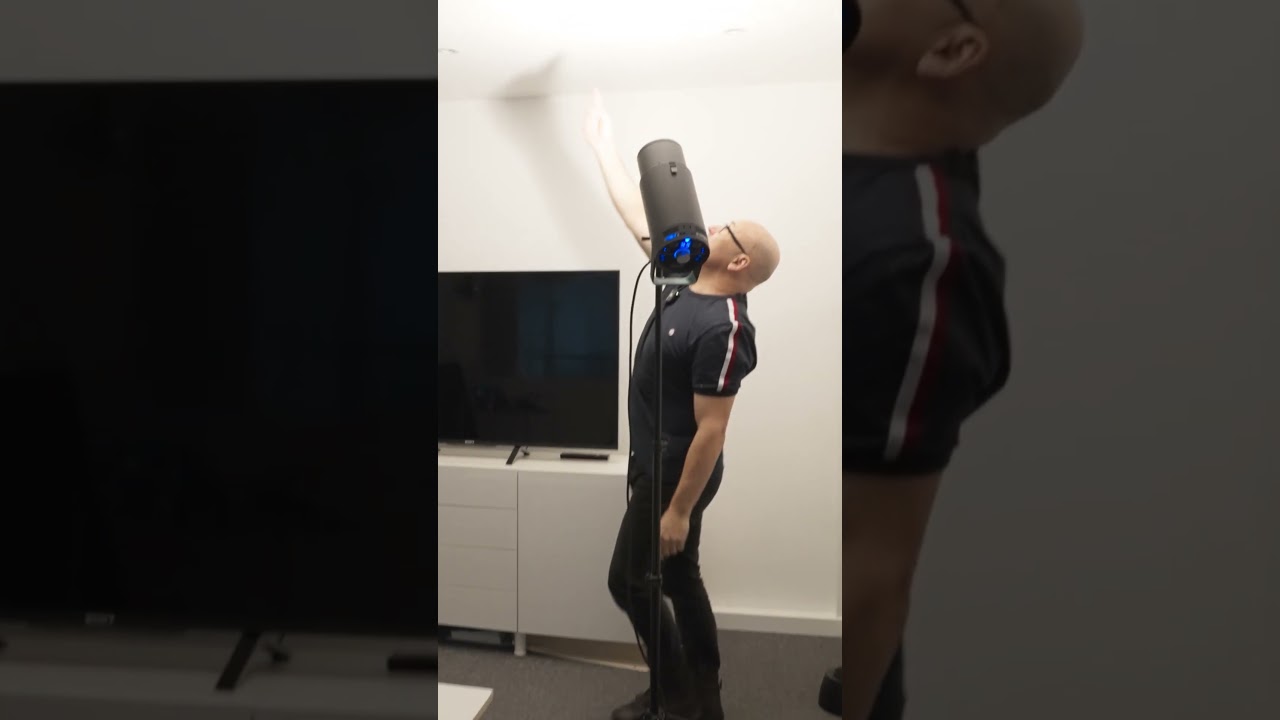
The Laser Trick That Tells You Exactly Where to Put Your Light

The Laser Trick That Tells You Exactly Where to Put Your Light

Product photography has a way of humbling you fast. You can nail the composition, dial in a clean background, get the focus exactly where you want it, and still end up with a shot that looks flat, cheap, or just wrong in some way you can’t immediately name. Nine times out of ten, when I pull up a disappointing product frame on my tethered monitor, the culprit is the reflection sitting in exactly the wrong place on the surface.
How to Photograph Exploding Paint Using Fast Flash: A Studio Breakdown

How to Photograph Exploding Paint Using Fast Flash: A Studio Breakdown

Client inquiries come in waves, and every few years a category of image starts showing up on mood boards constantly. Explosive product shots, the kind where paint or powder or liquid appears to detonate off a surface, have been on those boards for years. Every time I get a brief that gestures at that aesthetic, I go back to basics: how do you actually freeze motion that fast, how do you light something chaotic and reflective, and how do you rig a repeatable trigger mechanism without rigging anything dangerous?

How to Light Still Life with Real Depth: A Breakdown of Daniel Norton's Two-Light Setup

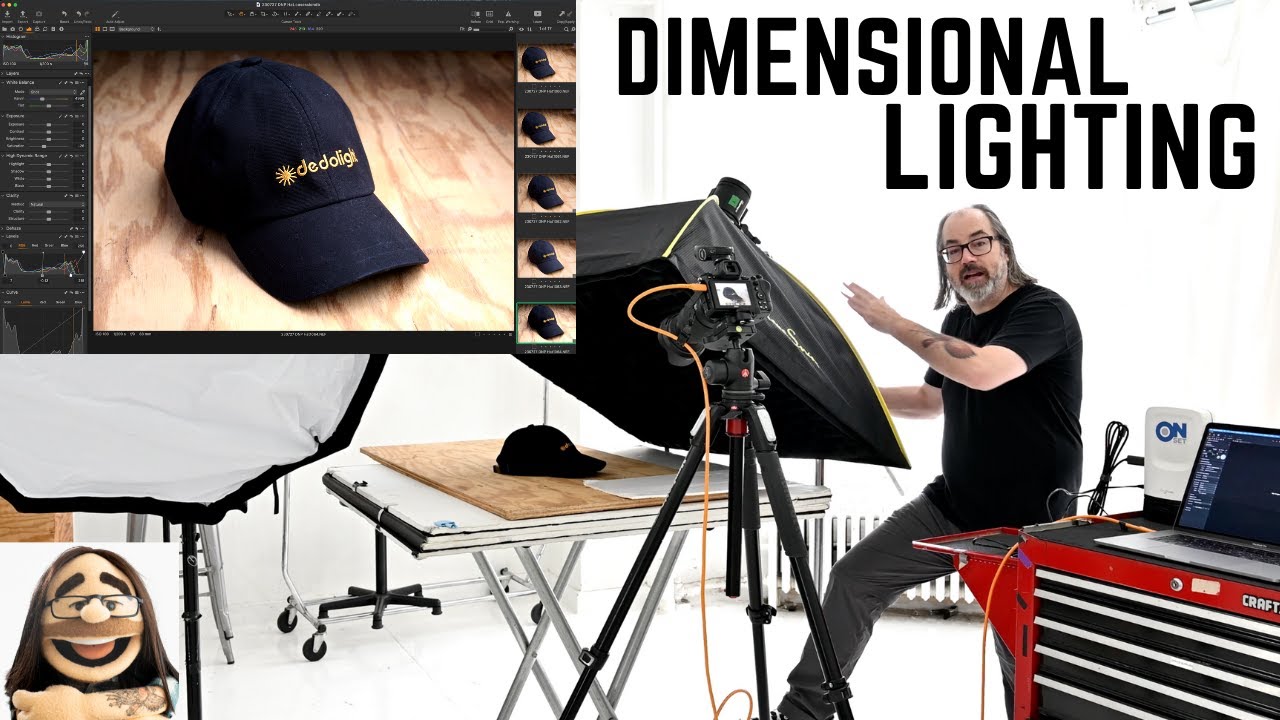
How to Light Still Life with Real Depth: A Breakdown of Daniel Norton's Two-Light Setup

Still life and product work has a reputation for being straightforward. One light, white background, done. And sure, that approach gets the job done for basic e-commerce. But the moment a client wants something that feels tactile, something that makes a viewer want to reach out and pick up the object, flat lighting becomes the enemy. I run into this constantly. A beauty brand will ask for a shot that “pops off the page,” and what they’re really asking for is dimensionality, shadow, a sense that the product exists in physical space rather than floating in a void.

Pro Product Photography in Tight Spaces: What Karl Taylor's Budget Shoot Actually Teaches You

Pro Product Photography in Tight Spaces: What Karl Taylor's Budget Shoot Actually Teaches You

I shoot commercial work out of a studio in Los Angeles that I’ve spent years optimizing. The right modifiers, the right power packs, enough ceiling height to do almost anything. And yet some of my most technically instructive moments have come from watching experienced photographers deliberately strip all of that away. There’s a specific kind of clarity that comes from constraints, and it’s something I try to remind myself of every time a client assumes that the quality of the final image scales directly with the size of the equipment rental invoice.

The Laser Trick That Changed How I Position Lights for Reflective Product Shots

The Laser Trick That Changed How I Position Lights for Reflective Product Shots

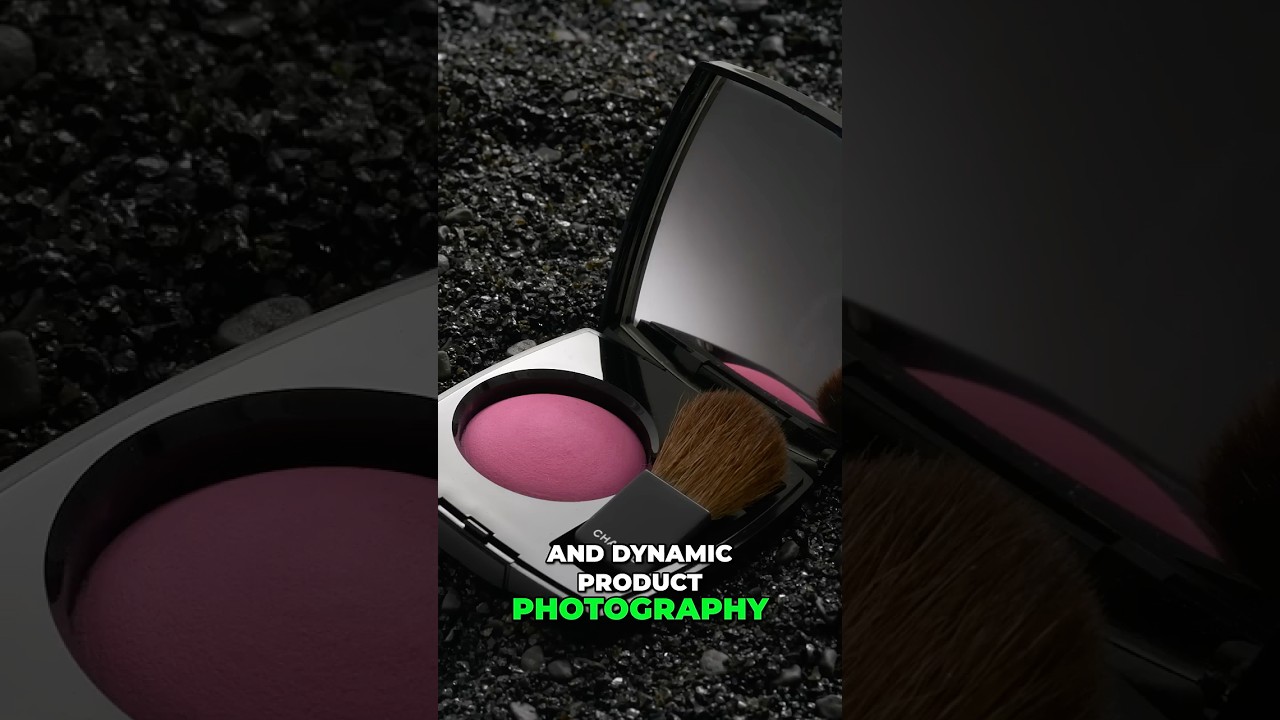
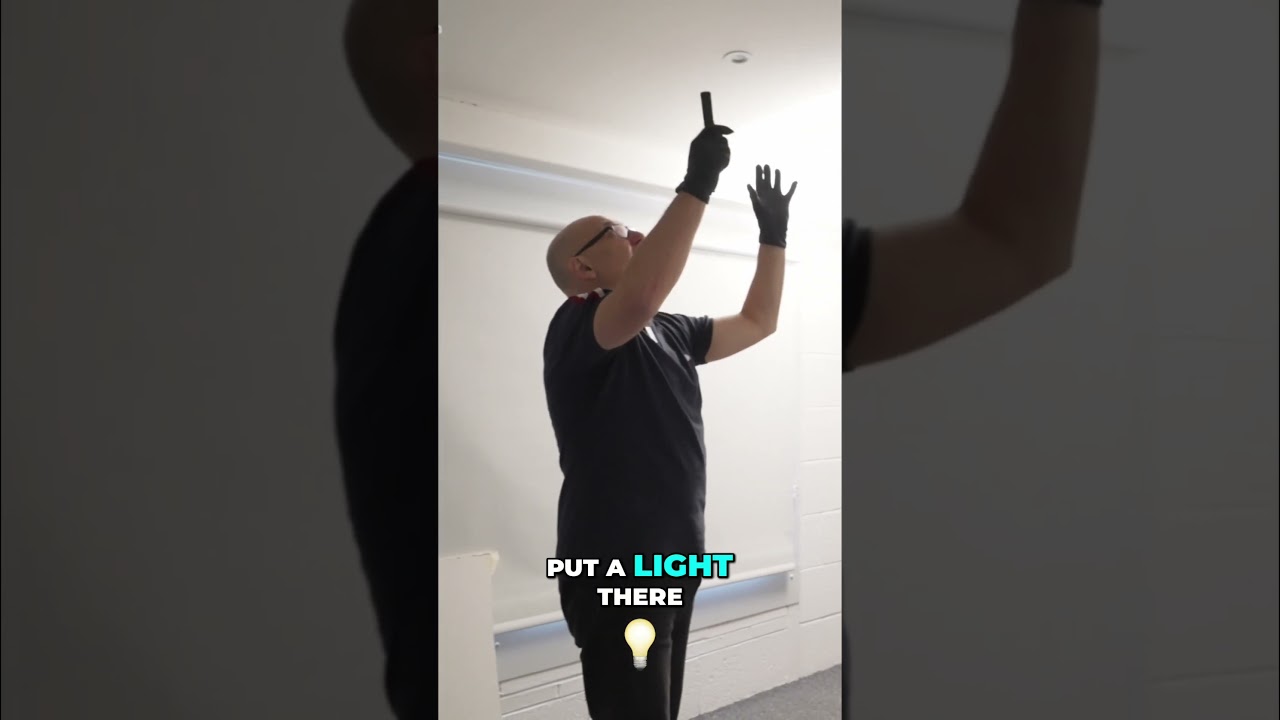
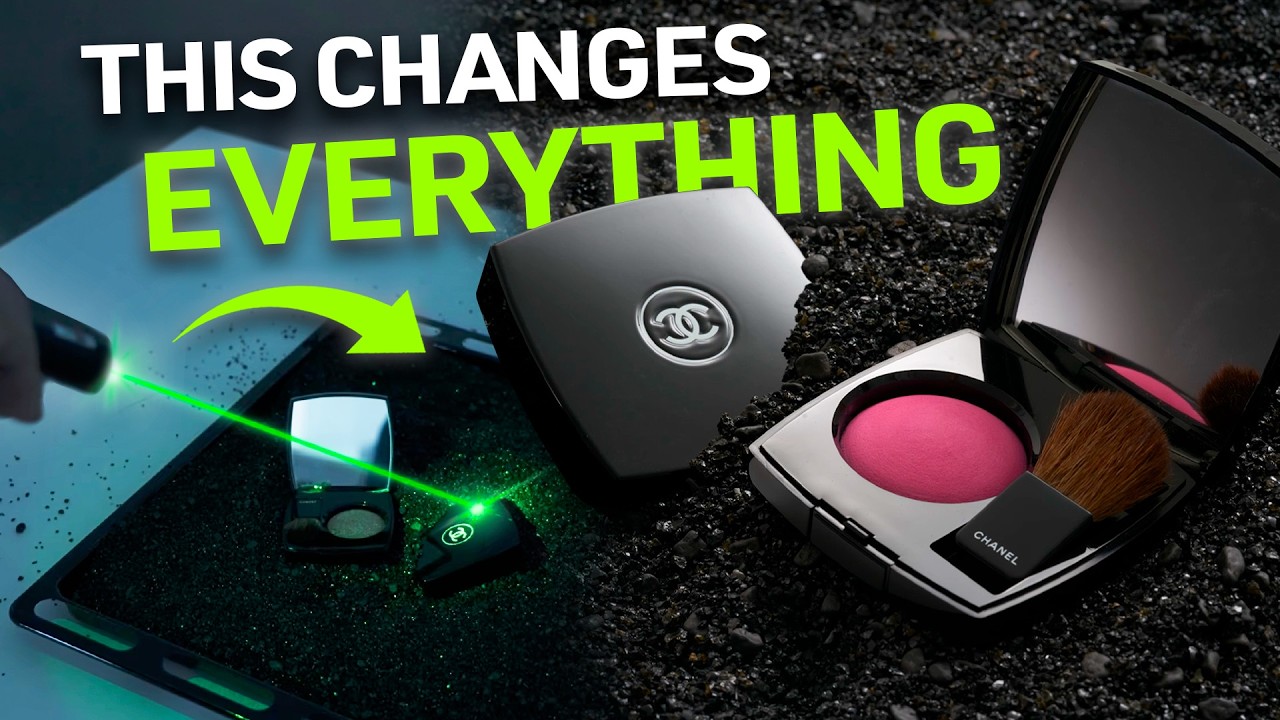
There’s a specific kind of frustration that comes from lighting a product with a glossy surface. You dial in what looks like a clean, controlled setup, take the shot, and the whole face of the product is a blown-out white rectangle. The name is gone. The color is gone. What you have is essentially a very expensive photograph of a reflection. I’ve been there more times than I want to admit, and it took me a long time to develop a reliable system for predicting where that reflection would land before I ever fired a strobe.

Your Glossy Products Are Mirrors. Start Lighting Them That Way.

Your Glossy Products Are Mirrors. Start Lighting Them That Way.

Every commercial photographer has a version of this story. A client sends over a cosmetics product, something small and impossibly shiny, and you set up what feels like a reasonable light position and fire a test shot. The result looks like a snapshot from a drugstore circular. The surface is either blowing out in a hot white blob or reading as a flat, lifeless panel with no dimension whatsoever. I have a lighting journal where I sketch every setup from every shoot, and I can flip back through dozens of pages where a note in the margin reads some version of “glossy surfaces are the enemy.

What Apple's Design Evolution Teaches Us About Lighting and Product Photography

What Apple's Design Evolution Teaches Us About Lighting and Product Photography

I recently learned about an extraordinary exhibition opening in Roswell, Georgia that’s shifted my thinking about how we photograph technology and industrial design. The Mimms Museum of Technology and Art is launching iNSPIRE: 50 Years of Innovation from Apple, and while the exhibit itself celebrates a tech giant’s history, it’s the visual storytelling behind those products that fascinates me as a studio photographer. Why Apple’s Design Matters to Your Lighting Setup What strikes me most about Apple’s product line isn’t just the innovation—it’s the consistency of visual language.