Shadow Direction Is Not a Mystery: What Every Photographer Should Already Know

Shadow Direction Is Not a Mystery: What Every Photographer Should Already Know

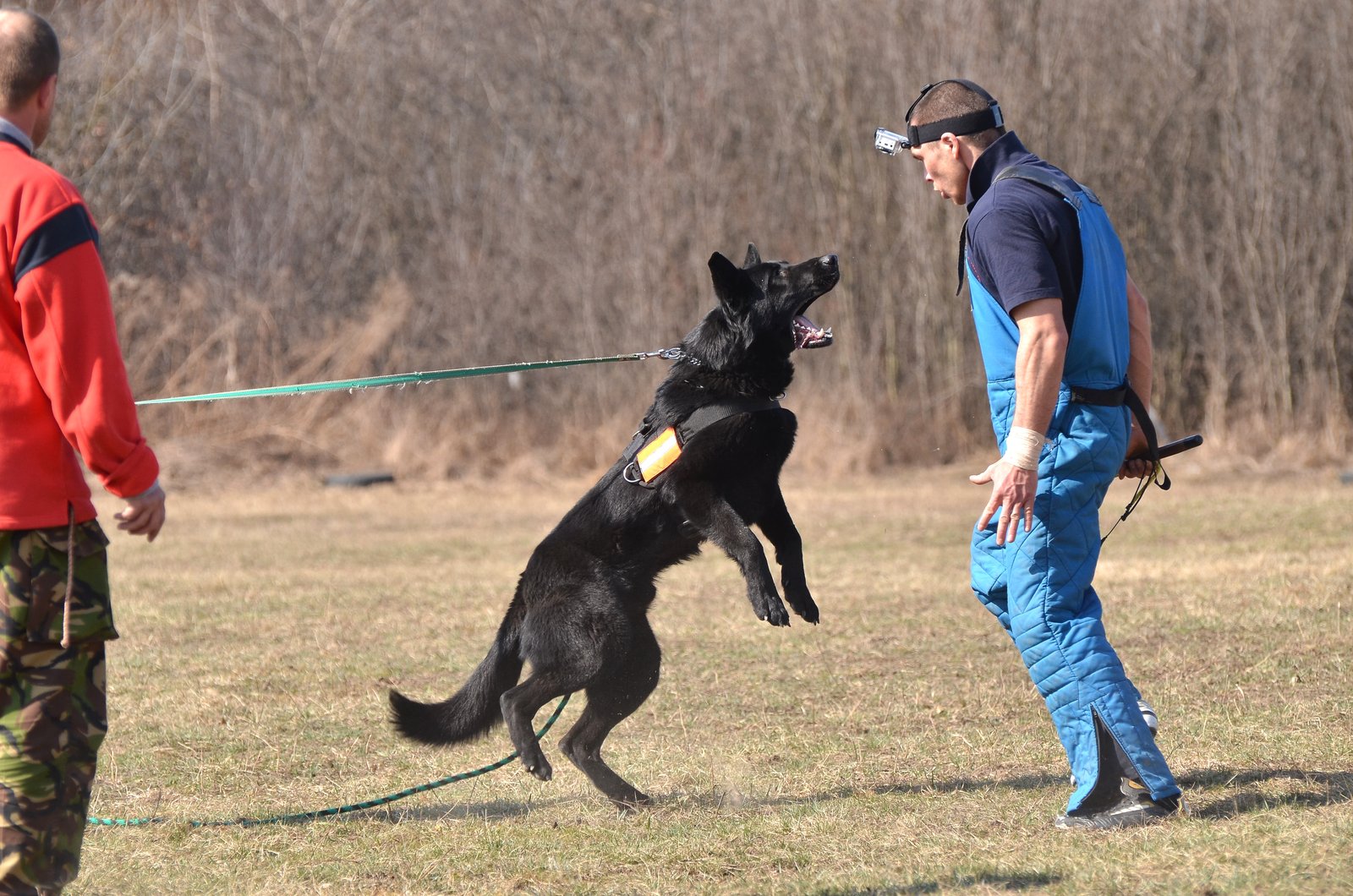
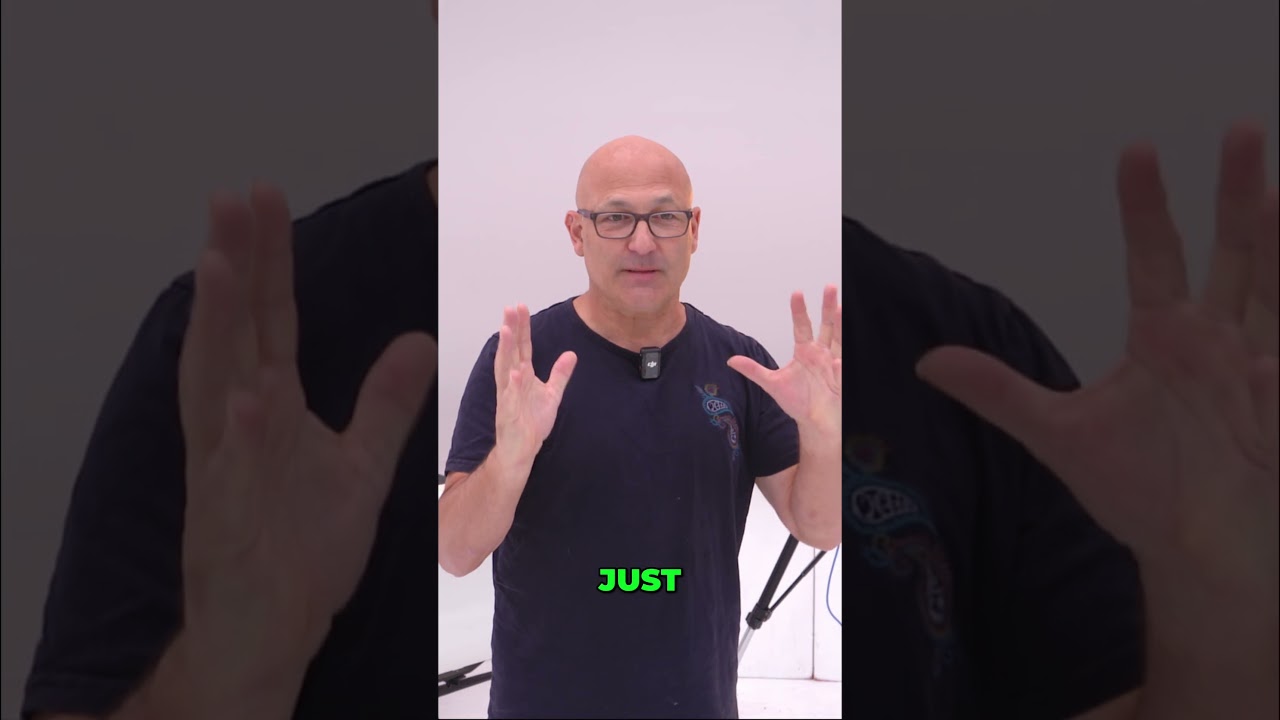
Every so often I watch a tutorial and feel two things at once: relief that someone said it plainly, and mild frustration that it needed to be said at all. That’s exactly where I landed watching this short but sharp breakdown from Visual Education. Watch the full tutorial on YouTube before or after reading this, because seeing it in motion reinforces everything written here. The topic is shadow direction. Specifically, why shadows fall where they do, and how to move them deliberately.
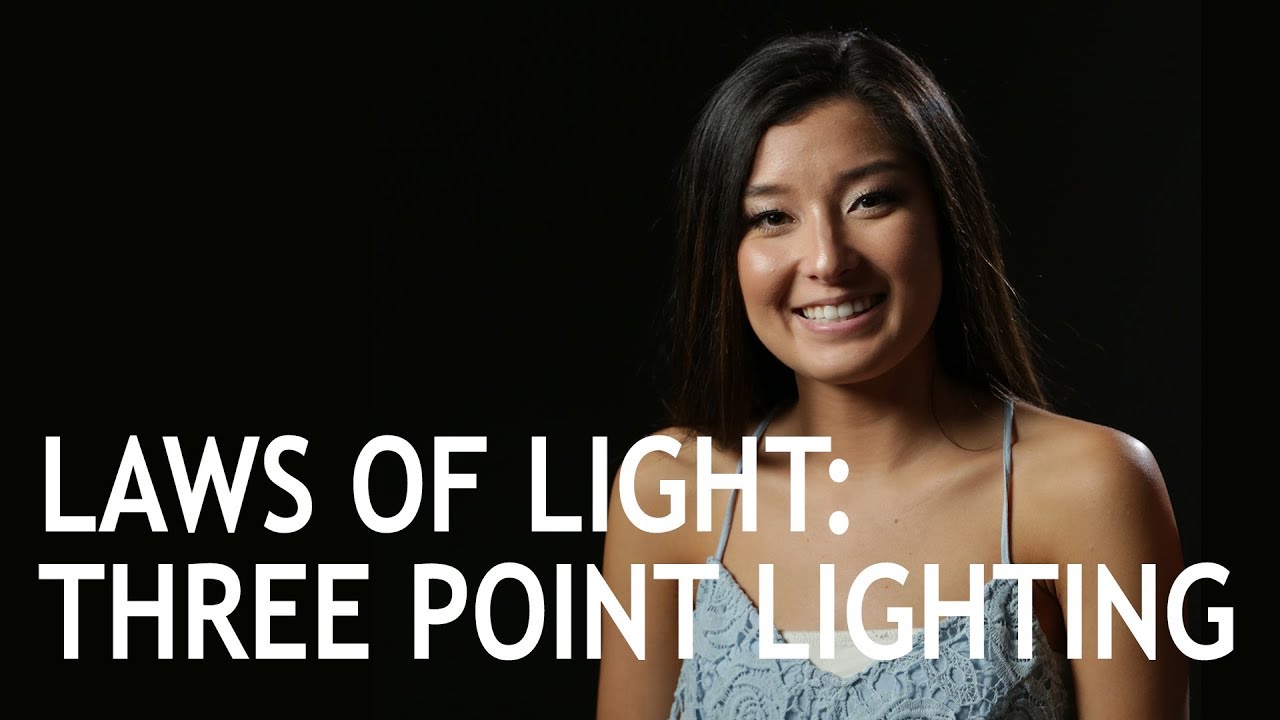
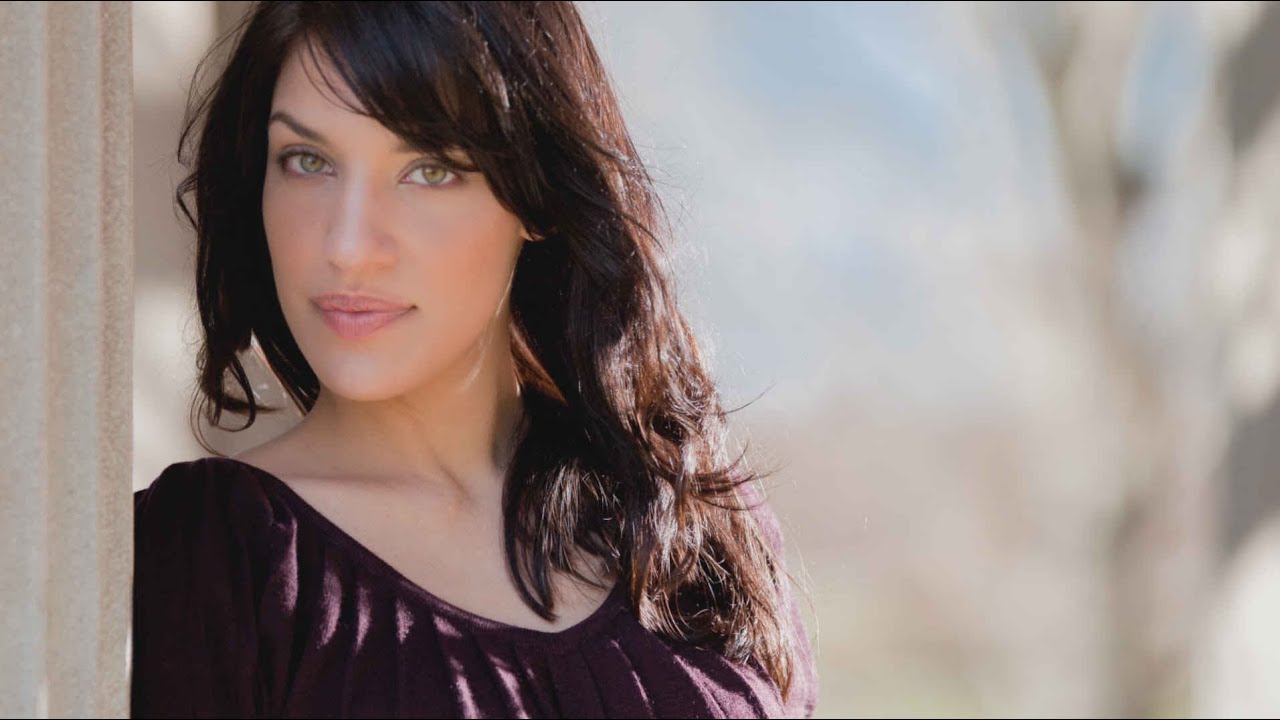
How to Build a Three-Point Lighting Setup That Actually Separates Your Subject

How to Build a Three-Point Lighting Setup That Actually Separates Your Subject

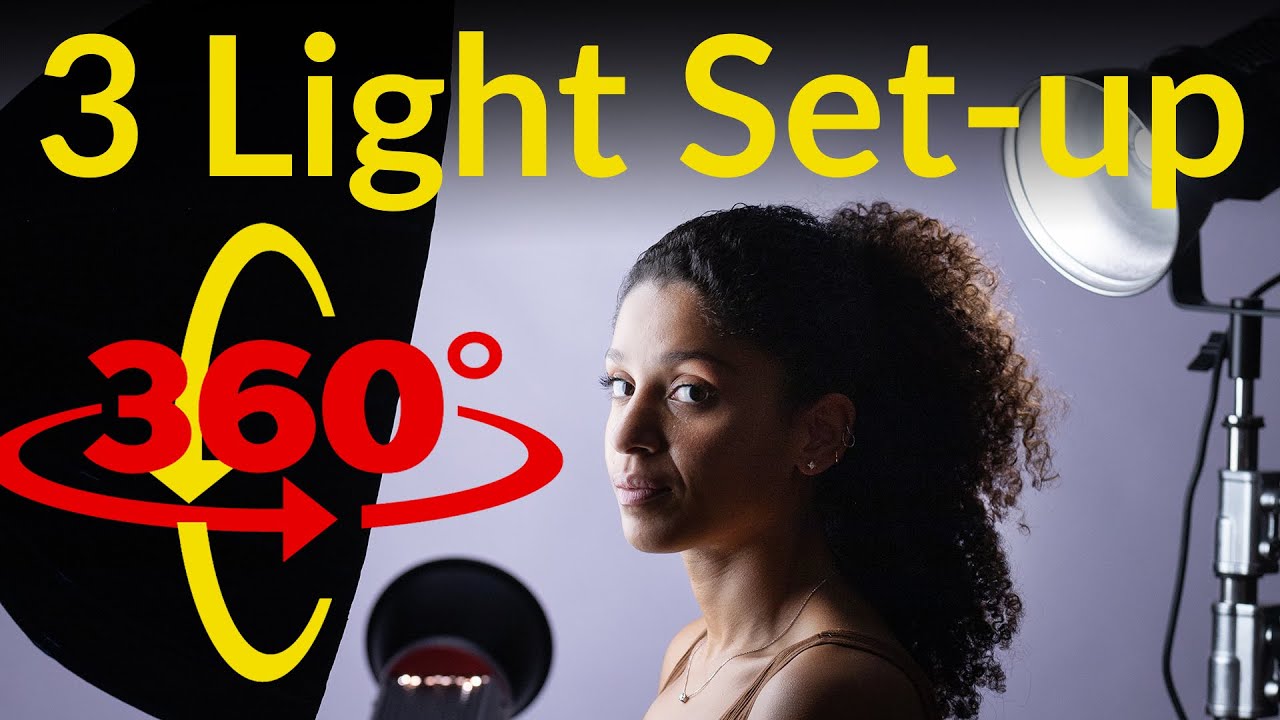
Every portrait photographer hits the same wall eventually. One light looks beautiful in isolation, but the subject disappears into the background, shadows go muddy, and the image loses the dimension that separates a professional result from a snapshot. I’ve stood in my studio at 11pm before a morning editorial call, staring at a flat, lifeless frame and wondering what was missing. The answer, almost every time, was a deliberate three-point lighting strategy rather than a single key light I was trying to coax into doing five jobs at once.

Move the Flash, Change Everything: A Working Photographer's Guide to Off-Camera Flash

Move the Flash, Change Everything: A Working Photographer's Guide to Off-Camera Flash

Every flat, lifeless portrait I see traces back to the same mistake: the flash is sitting on top of the camera. I spent my first two years shooting that way, wondering why my portraits looked like mugshots even when the composition was solid. The light was the problem. On-camera flash collapses dimension. It fills in every shadow that would otherwise sculpt a face, and it does it with the efficiency of a machine that doesn’t care about cheekbones.

Godox MA2 Macro Twin Light: A Game-Changer for Close-Up Photography

Godox MA2 Macro Twin Light: A Game-Changer for Close-Up Photography

Godox MA2 Macro Twin Light: A Game-Changer for Close-Up Photography I’ve spent years watching macro photographers struggle with the same fundamental problem: how do you light something incredibly small without casting your own shadow directly onto your subject? Godox appears to have taken this challenge seriously with their new Flexible Macro Twin Light MA2, and I think it deserves your attention. A Purpose-Built Solution for Macro Work The MA2 isn’t another generic ring light or attempt to repurpose standard studio gear.

One Light Is a Starting Point. Here's How Two More Turn It Into a Real Portrait.

One Light Is a Starting Point. Here's How Two More Turn It Into a Real Portrait.

Every working portrait photographer eventually runs into the same problem: a technically correct key light that produces a flat, airless image. The subject is lit. The exposure is right. And the photo looks like a DMV headshot. What’s missing isn’t more light, it’s separation, depth, and the kind of shadow structure that makes a face look three-dimensional on a two-dimensional surface. That’s the problem this tutorial addresses directly. In this The Slanted Lens tutorial, photographer Jay P.

Black on Black, Edge to Edge: What Broncolor's Still Life Tutorial Taught Me About Precise Light Control

Black on Black, Edge to Edge: What Broncolor's Still Life Tutorial Taught Me About Precise Light Control

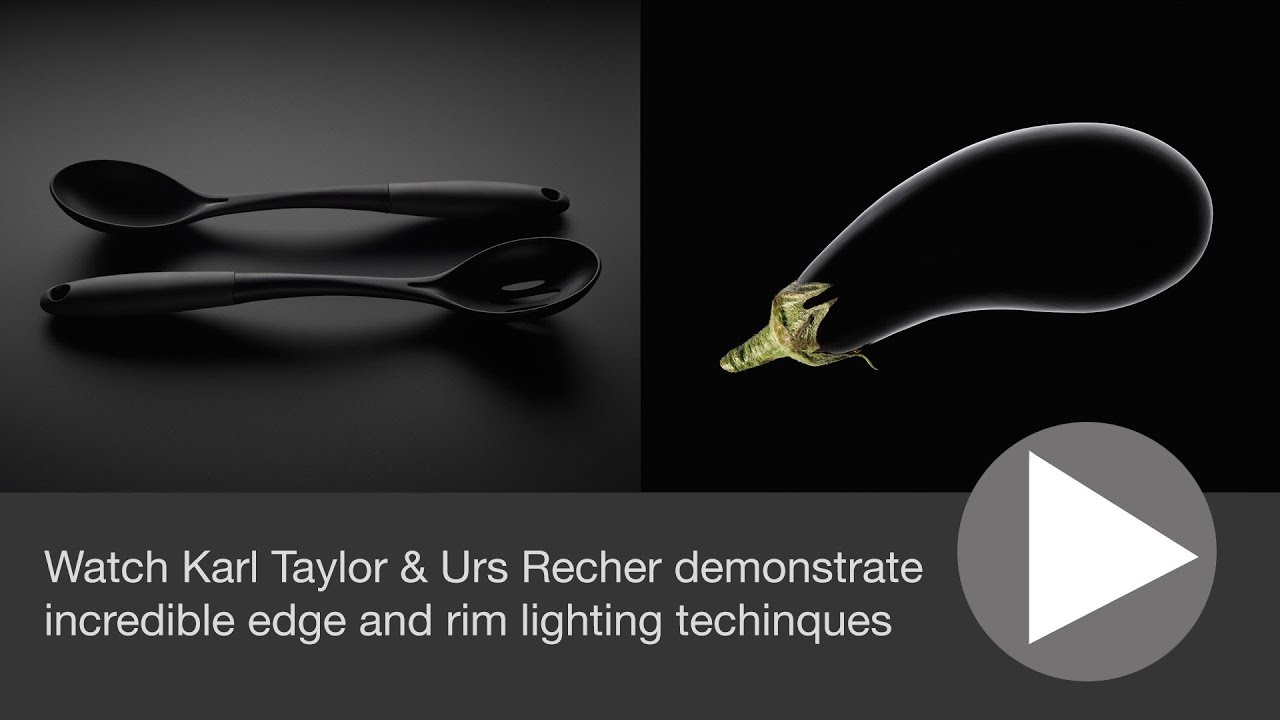
Still life work punishes sloppy lighting faster than almost any other discipline. There’s no subject to charm the camera, no personality to carry a mediocre frame. It’s just the object, the surface, and whatever light you decided to put where. I’ve shot enough product work for beauty brands to know that the shots people remember are almost always built on one or two precise light sources doing exactly what they were placed to do, not six lights fighting each other into a flat, gray mush.

One Light, Done Right: How a Single Strobe Can Outperform a Rack Full of Gear

One Light, Done Right: How a Single Strobe Can Outperform a Rack Full of Gear

The Setup That Made Me Rethink Everything I Owned A few years ago I was prepping for a beauty editorial, three lights rigged, a fourth on standby, and my assistant staring at me like I was building a spaceship. We lost power to two of the heads mid-session. Faulty cable, bad timing, real problem. I could have packed up. Instead, I flagged the remaining light, moved it six inches to camera left, and kept shooting.

Strobe Recycle Rates Are Killing Your Shots (And You Might Not Even Know It)

Strobe Recycle Rates Are Killing Your Shots (And You Might Not Even Know It)

There’s a specific kind of frustration that doesn’t show up until you’re mid-shoot and the moment you needed is already gone. You fire, the light didn’t recycle, and the frame that comes back is either dark or flat. You assume you missed the pose. You ask your subject to reset. You try again. But the real problem isn’t the pose — it’s that your strobe couldn’t keep up with you. I’ve watched this happen to photographers who are technically solid, compositionally sharp, and still walking away from shoots with nothing usable because their gear had a ceiling they didn’t know about.

From Portrait Studio to Portrait Couture: What Sue Bryce's Glamour Workflow Taught Me About Shooting With Intent

From Portrait Studio to Portrait Couture: What Sue Bryce's Glamour Workflow Taught Me About Shooting With Intent

There’s a specific problem I keep running into with clients who book a “portrait session” and show up expecting something that looks more editorial than standard headshot. For years I tried to bridge that gap on the fly, adjusting in the room, improvising wardrobe choices, coaching poses I hadn’t planned. It worked sometimes. It also fell apart sometimes. What I was missing was a deliberate system for shifting the register of a shoot from documentary portrait to something more intentional and designed.

Beyond Daylight: How I Use Creative Gels to Build Color Into a Shot From the Start

Beyond Daylight: How I Use Creative Gels to Build Color Into a Shot From the Start

I ruined my first major editorial shoot with color temperature. Not gels, not bad ratios, just the fact that I had two light sources on a model’s face that were about 800 Kelvin apart and I had no idea. One was a tungsten practical in the background, one was a strobe key. The images came back with this muddy, indeterminate skin tone that no amount of color grading could salvage. The art director never said anything, but I didn’t get another call from that publication for two years.

Feathering Your Softbox: The One Adjustment That Separates Controlled Light from Flat Light

Feathering Your Softbox: The One Adjustment That Separates Controlled Light from Flat Light

There’s a specific kind of frustration I know well. You’re on location, you’ve set the softbox, taken your first frame, and everything is lit. The ground. The background. The subject’s shoes. The fence nobody asked for. The light is doing its job technically, but the image looks like a police procedural, not a portrait. For years, I adjusted power output trying to solve a problem that was never about power. It was about aim.

Why Top Back Lighting Is My Go-To for Product Work (And How to Set It Up in Three Lights)

Why Top Back Lighting Is My Go-To for Product Work (And How to Set It Up in Three Lights)

Every product shooter I know, at some point, makes the same mistake. The client wants something simple, the deadline is tight, and the light goes right next to the camera because that’s the safe, fast choice. I’ve done it. The result is always the same: flat surfaces, no separation, a product that looks like a catalog scan from 1997. I kept doing it even after I knew better, because moving the light behind the subject felt counterintuitive and, honestly, a little risky when you’re on the clock.