Master Three Portrait Styles With a Single 48-Inch Octa

Master Three Portrait Styles With a Single 48-Inch Octa

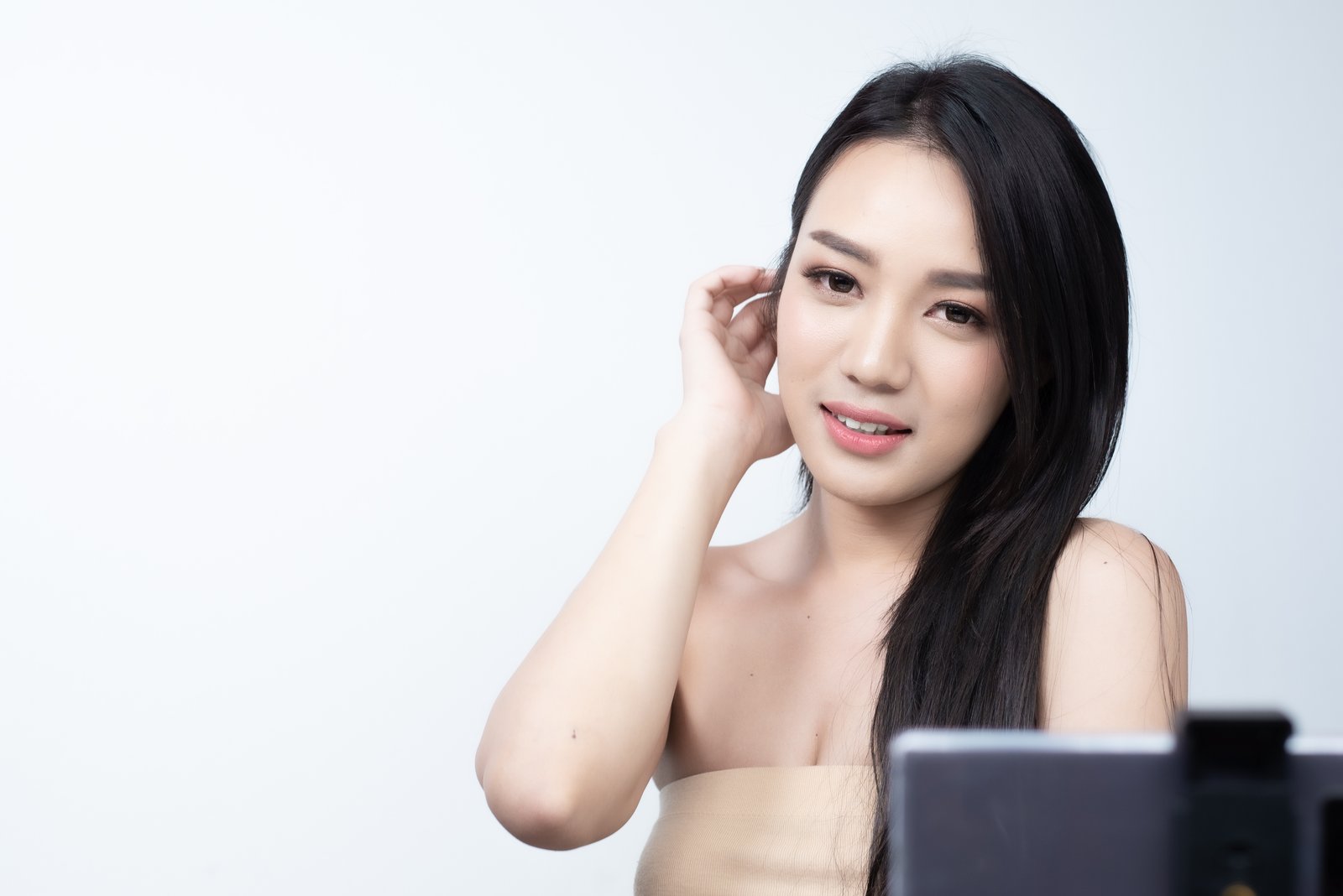
The Modifier Misconception I’ve watched countless photographers accumulate lighting equipment like they’re collecting trading cards. Beauty dishes, softboxes, umbrellas, and strip lights fill their studios, each one promising to solve a specific problem. But here’s what I’ve learned after years of studio work: more gear doesn’t equal better results. In fact, it often creates analysis paralysis. A 48-inch octabox sits in my studio as a testament to this philosophy. This single modifier handles the work of five others—not through magic, but through understanding how light behaves under different circumstances.
How to Light Rain in the Studio (and Make It Actually Look Like Rain)

How to Light Rain in the Studio (and Make It Actually Look Like Rain)

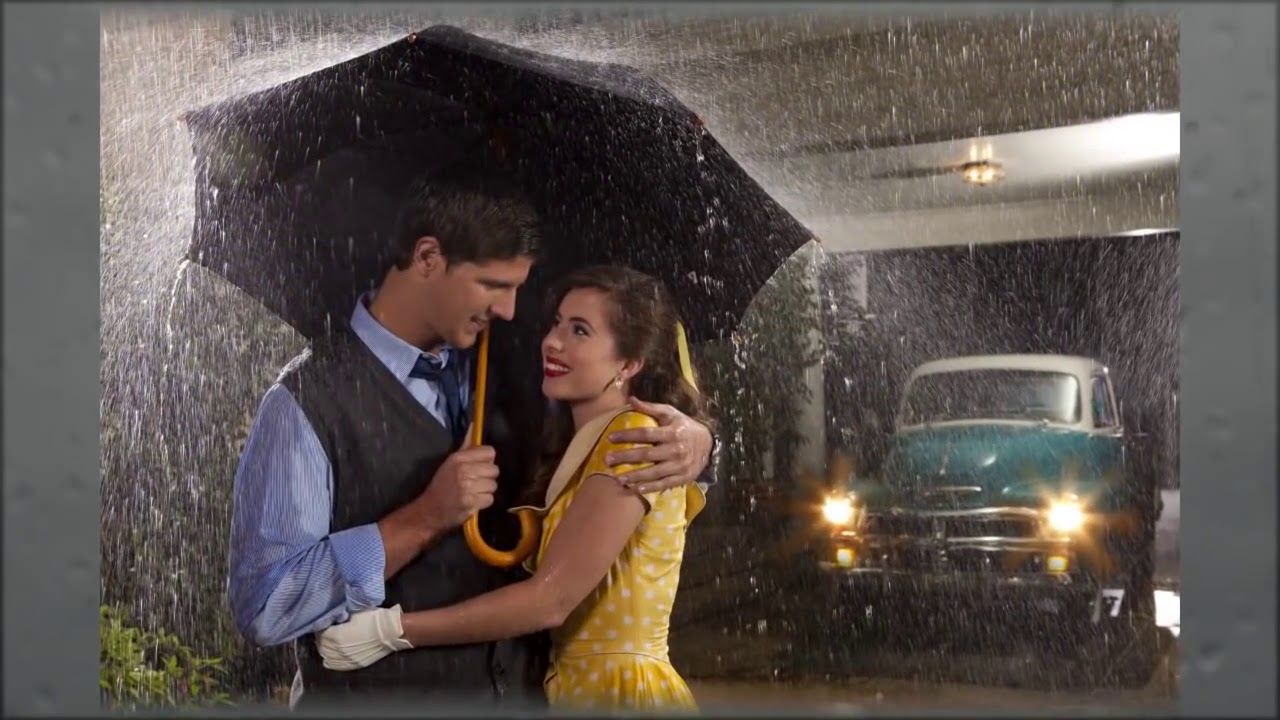
Rain is one of those elements that looks effortless in a great editorial image and absolutely terrible when you don’t know what you’re doing. I’ve watched photographers point a garden hose at a subject and wonder why the result looks like someone got splashed at a car wash. The problem is almost never the water. It’s the light. Water is transparent. If you don’t give it something to catch, it simply disappears into the frame.

Shooting on a Cyclorama: What Nobody Tells You Before You Book the Studio

Shooting on a Cyclorama: What Nobody Tells You Before You Book the Studio

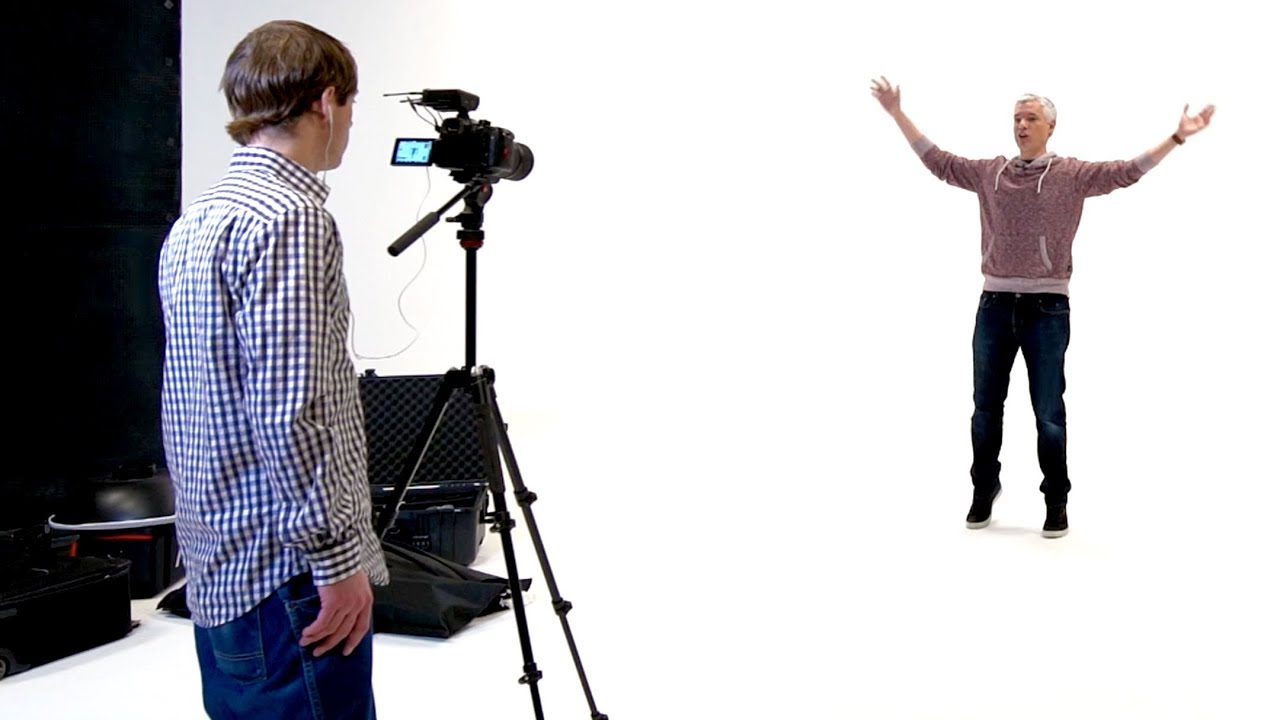
There is a specific kind of panic that hits when you’re forty minutes into a commercial shoot and you can see the edge of your background in the frame. Your talent is ready, your strobes are dialed in, and you’re burning through your shot list. But the white vinyl is doing that thing vinyl always does: it has a faint crease running across the lower third, and no amount of gaffer tape is going to save you.

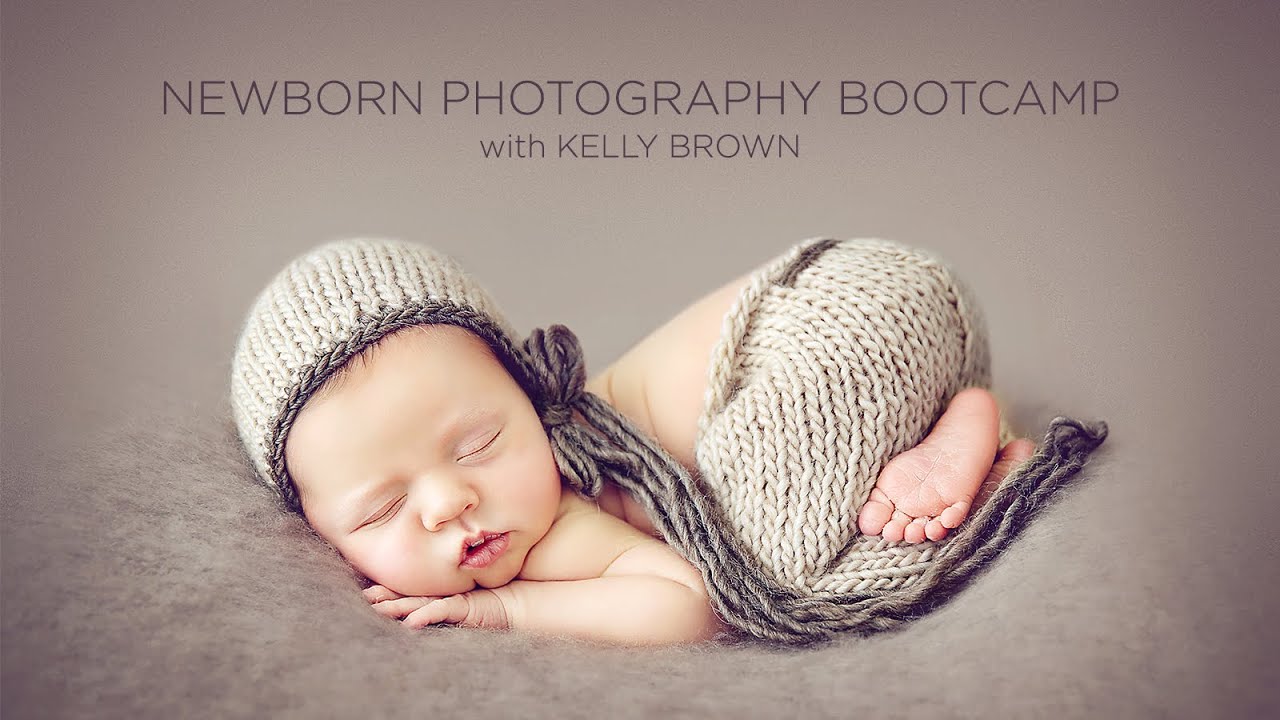
Flow Posing Newborns: What Kelly Brown's Technique Teaches Us About Working With the Baby, Not Against It

Flow Posing Newborns: What Kelly Brown's Technique Teaches Us About Working With the Baby, Not Against It

Newborn photography sits in a category of its own. The subjects can’t take direction, they startle at sudden movement, and the margin for error on safety is zero. For most of my career I’ve focused on fashion and beauty work, where the lighting puzzles are technical and the subjects can tell me when something is uncomfortable. Newborns are the opposite on every count. So when I started getting requests from clients who wanted environmental newborn portraits alongside their brand family campaigns, I knew I needed to learn from someone who had built a real system around this work.

Stop Believing the Flash Duration Hype: What Photographers Actually Need to Know

Stop Believing the Flash Duration Hype: What Photographers Actually Need to Know

The Marketing Machine Around Flash Duration Walk into any camera store or scroll through flash specifications online, and you’ll see manufacturers trumpeting their fastest flash durations like it’s the holy grail of lighting equipment. Faster is better, they insist. But I’ve spent years testing gear in my studio, and I need to be direct: this is mostly marketing theater designed to separate you from your money. Let me explain what’s actually happening under the hood, then we’ll talk about whether you should care.

How to Keep Dramatic Lighting Without Exposing Every Skin Texture

How to Keep Dramatic Lighting Without Exposing Every Skin Texture

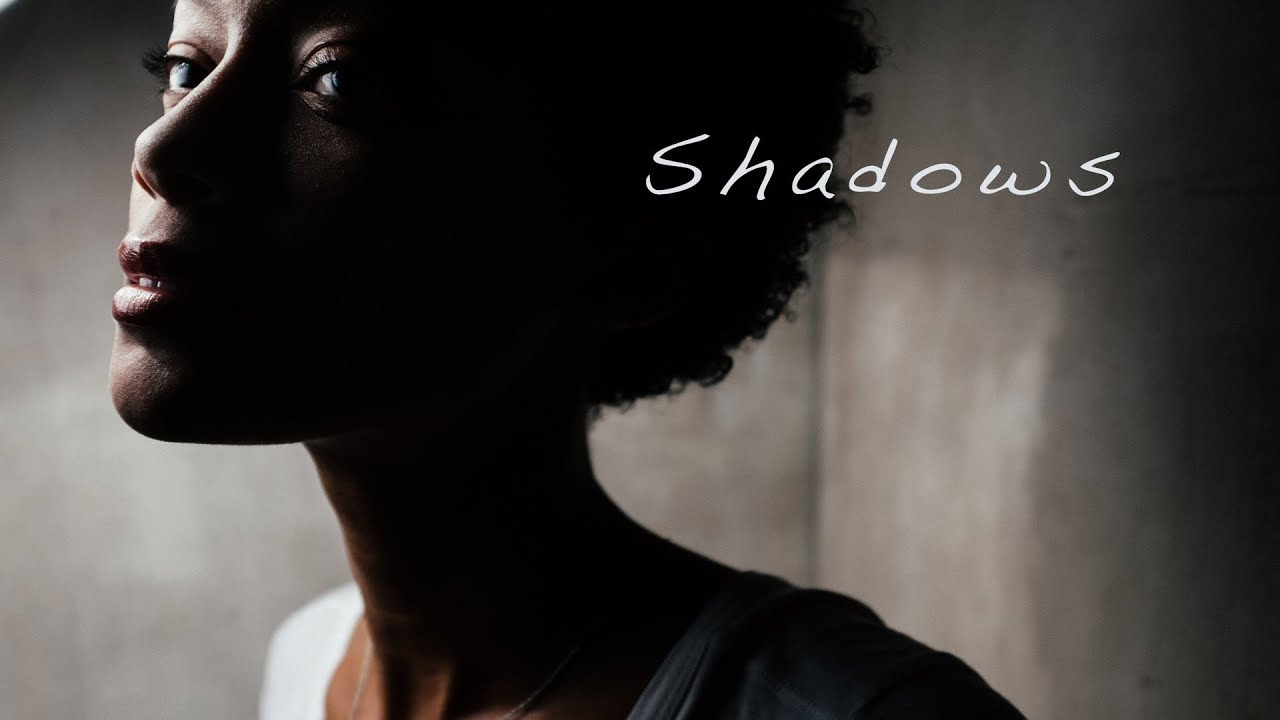
Every few months a client emails me something like: “I love your dramatic work, but I’m self-conscious about my skin — will that lighting make it worse?” It’s a fair question, and for a long time I didn’t have a clean answer. Hard light rakes across texture. Scars cast tiny shadows. Acne that looks invisible in a mirror can look like a topographical map under a bare strobe. I used to mentally file these shoots under “handle carefully” without a clear system for handling them.

Small Flash, Classic Results: How to Build a Studio Portrait Setup with Two Lights and a Reflector

Small Flash, Classic Results: How to Build a Studio Portrait Setup with Two Lights and a Reflector

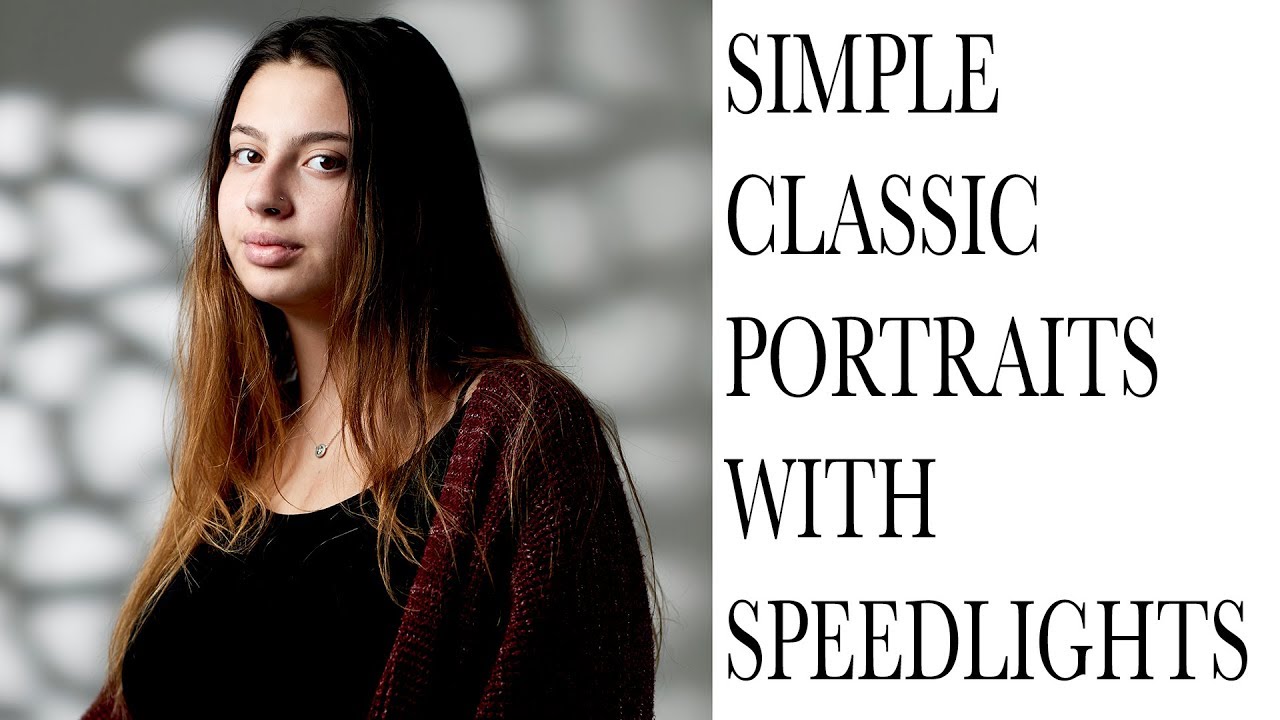
There’s a problem I run into constantly with newer photographers who come through my studio: they think dramatic, polished portraits require a wall of monolights and a dedicated grip crew. I understand where that assumption comes from. But some of my tightest commercial work has come from setups I could pack into a roller bag. That’s exactly why this tutorial from Daniel Norton caught my attention and earned a permanent sketch in my lighting journal.

Use a Polaroid's Manual Mode to Lock In Your Studio Lighting Before You Shoot

Use a Polaroid's Manual Mode to Lock In Your Studio Lighting Before You Shoot

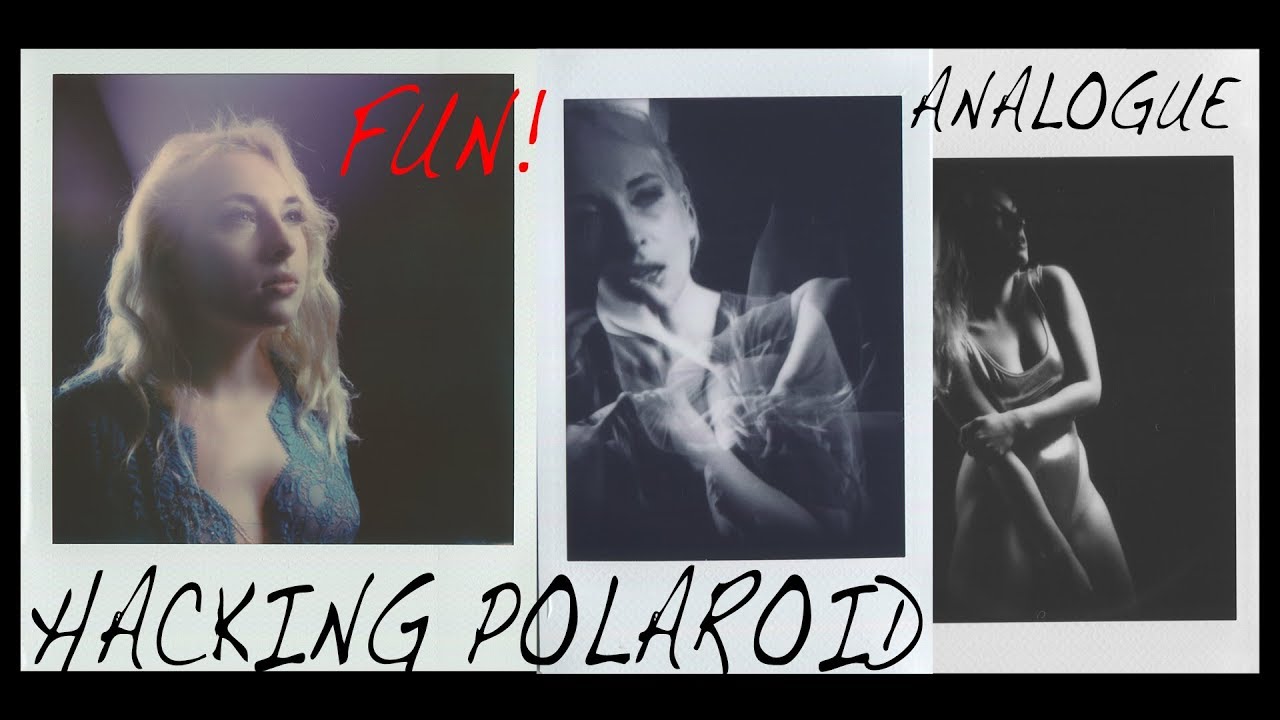
There’s a problem every studio photographer eventually runs into: you’re lighting a subject, your digital camera is doing its own quiet negotiating with TTL, and you’re never quite sure whether what you’re seeing on the back of the camera is the light or the firmware. I’ve been in sessions where I thought I had the setup locked, only to find the exposure drifting between frames because the camera kept second-guessing me.

6 Lighting Fundamentals That Matter More Than Any Camera You'll Ever Buy

6 Lighting Fundamentals That Matter More Than Any Camera You'll Ever Buy

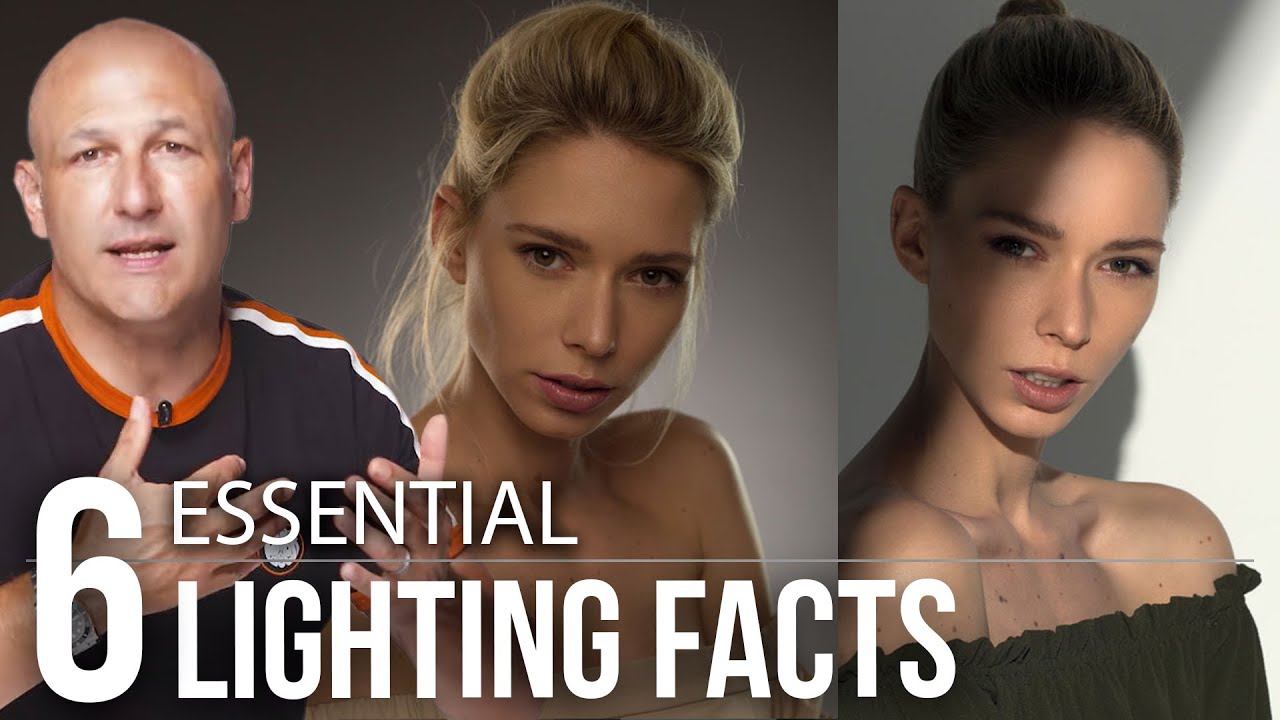
Every few weeks someone emails me asking which camera body I’m shooting with, or which prime lens I’d recommend for portrait work. I get it. Gear is tangible. You can read specs, compare prices, feel confident you’re making a measurable upgrade. But after nearly two decades shooting fashion, beauty, and corporate work out of my studio here in Los Angeles, I can tell you that the camera has never once been the reason a shot failed.

Stop Shooting with White Light: How Creative Gels Can Transform Your Studio Work

Stop Shooting with White Light: How Creative Gels Can Transform Your Studio Work

The Shot That Made Me Take Gels Seriously I was three hours into a beauty editorial when the creative director leaned over my shoulder and said, “It’s technically perfect and completely boring.” She wasn’t wrong. Every light was dialed in, ratios were clean, skin tones were accurate. And the image looked like a catalog photo for a brand nobody cared about. We ended up throwing a quarter-cut CTO on the hair light and a pale lavender gel on the background, and the next frame we shot was the one that ran as the opener.

Flash Duration, Not Shutter Speed: How to Freeze a Liquid Pour in the Studio

Flash Duration, Not Shutter Speed: How to Freeze a Liquid Pour in the Studio

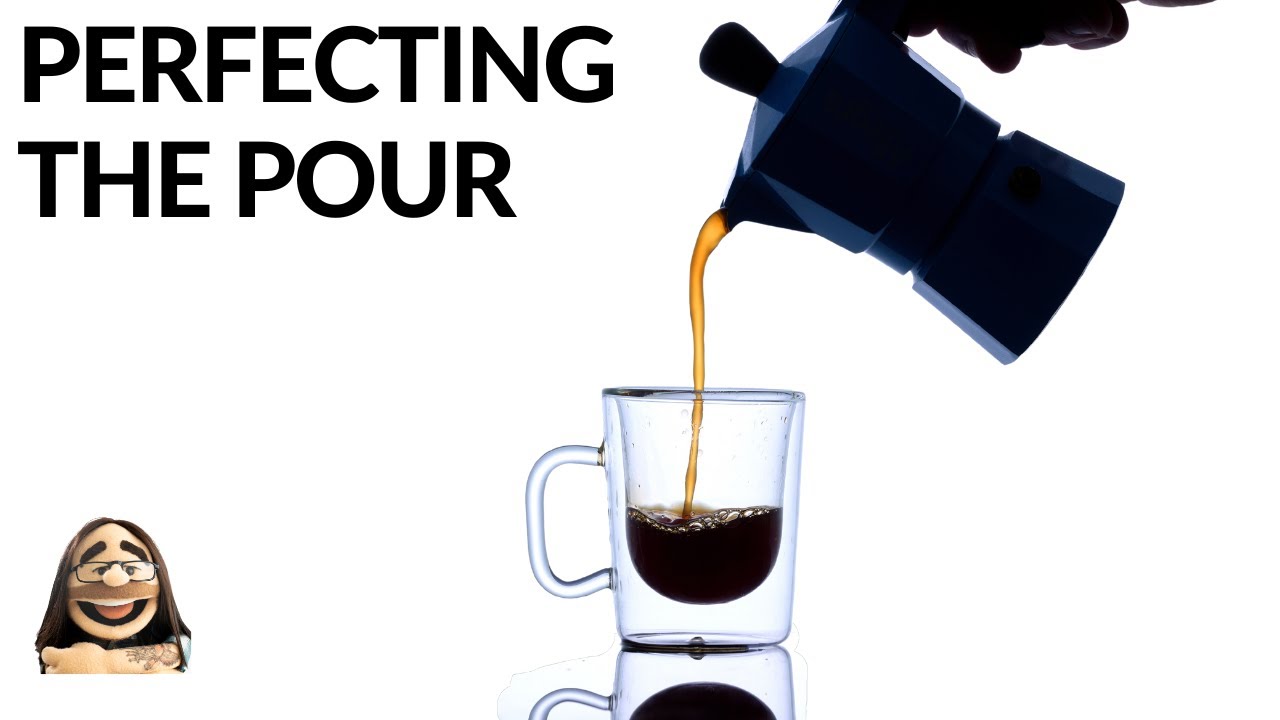
Every few months a client sends me a brief with a liquid shot in it. Coffee pouring into a cup. Whiskey splashing over ice. A serum drop hitting a surface. And every time, I watch junior photographers on set reach for the shutter speed dial as if that’s what’s going to save them. It isn’t. In studio conditions with flash, your shutter speed is nearly irrelevant to motion blur. What actually freezes the liquid is the duration of the flash itself, and if you don’t understand that distinction, you’ll keep getting soft, ghosted pours no matter how fast you shoot.

Direct Flash Done Right: How to Nail the Gritty Editorial Look With a $20 Bracket

Direct Flash Done Right: How to Nail the Gritty Editorial Look With a $20 Bracket

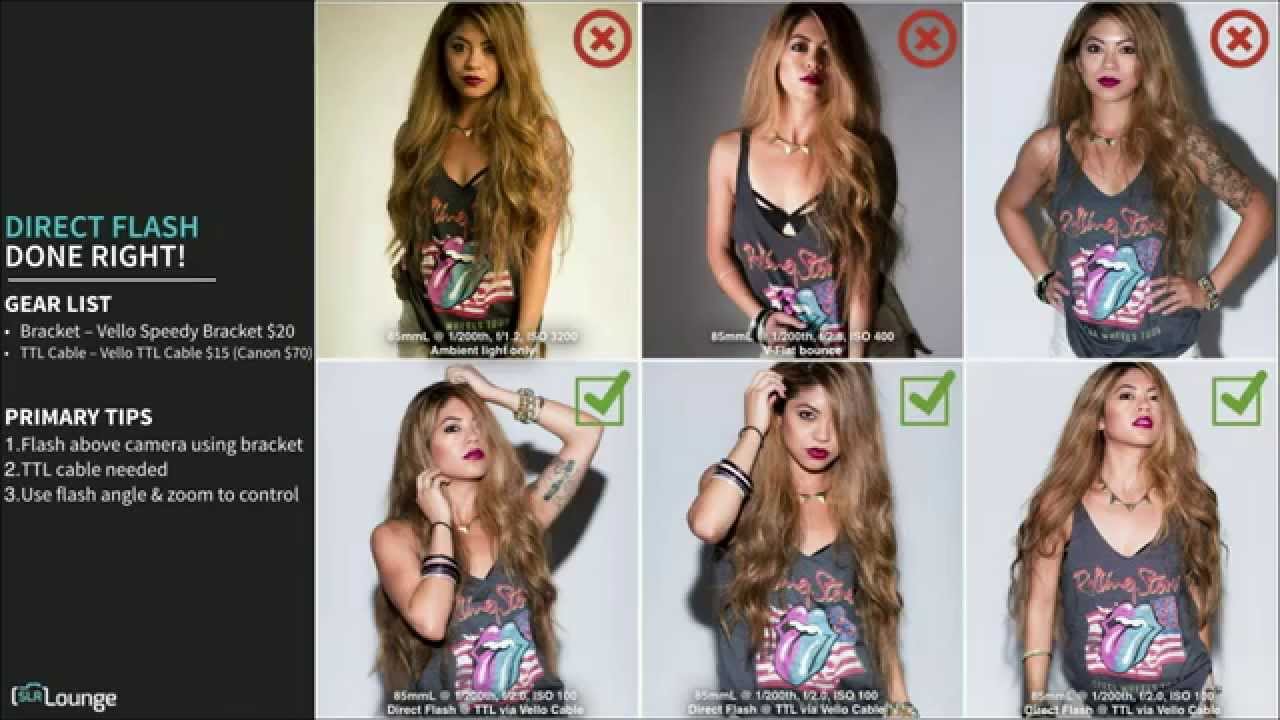
Direct flash has a reputation problem. Mention it to most photographers and they assume you mean the flat, washed-out snapshots from a disposable camera. But there is a version of direct flash that is intentional, controlled, and genuinely striking — the kind of look you see in American Apparel campaigns, celebrity punk portraits, and editorial spreads that want to feel raw and immediate. Getting there takes about two pieces of cheap gear and a clear understanding of what you are actually controlling.