How to Fake a Moving Camera (When Everything Has to Stay Sharp)

How to Fake a Moving Camera (When Everything Has to Stay Sharp)

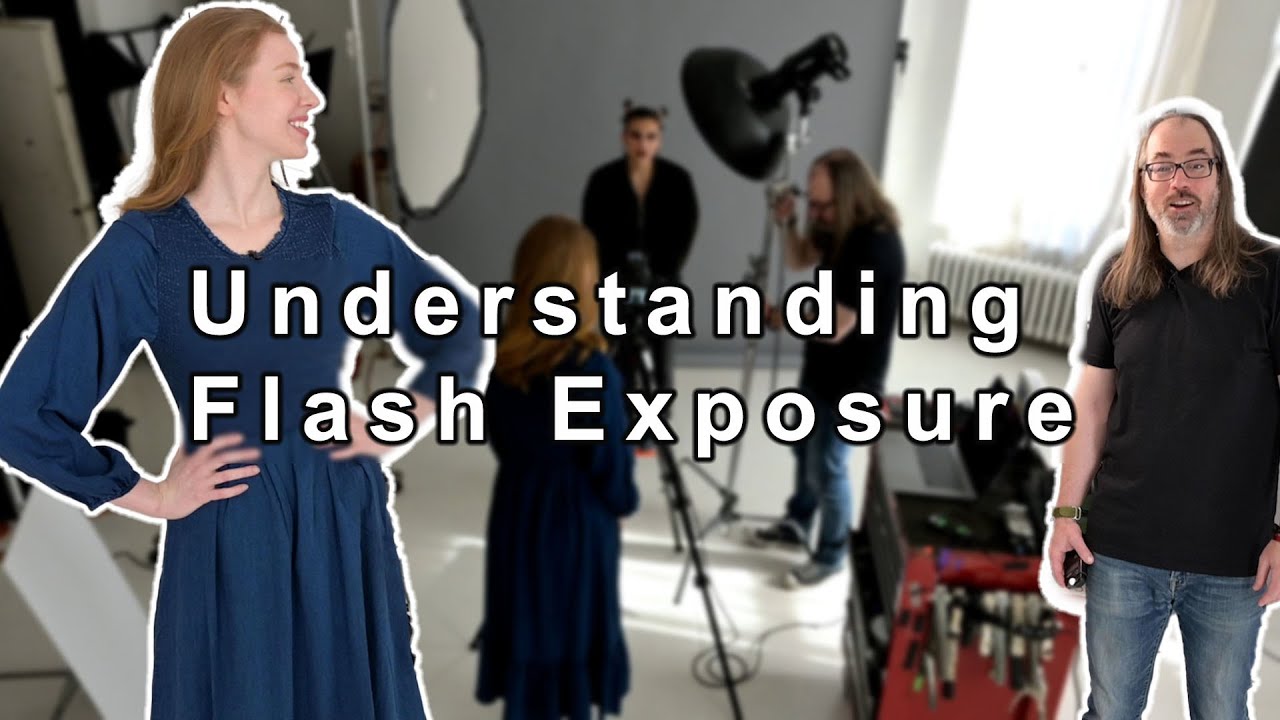
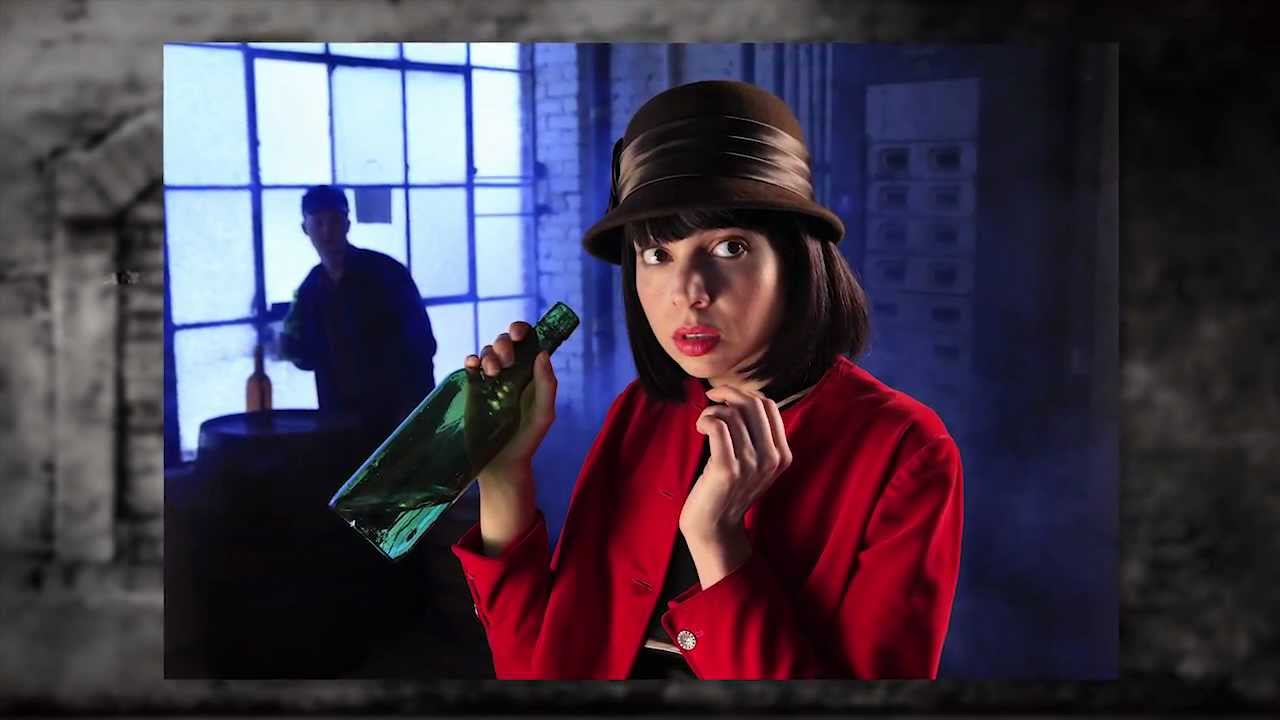
There’s a specific kind of shoot dread that sets in when you’ve photographed the same location a dozen times. I know that warehouse. I know that corner. I’ve already made the good picture here. That’s the problem The Slanted Lens walks into at the start of this tutorial, and the solution they land on is genuinely clever: instead of moving the camera past the subject, you move the camera with the subject, keeping both locked together on a piece of moving equipment.
Flash Modes Decoded: What Every Studio Photographer Needs to Know Before Touching a Speedlight

Flash Modes Decoded: What Every Studio Photographer Needs to Know Before Touching a Speedlight

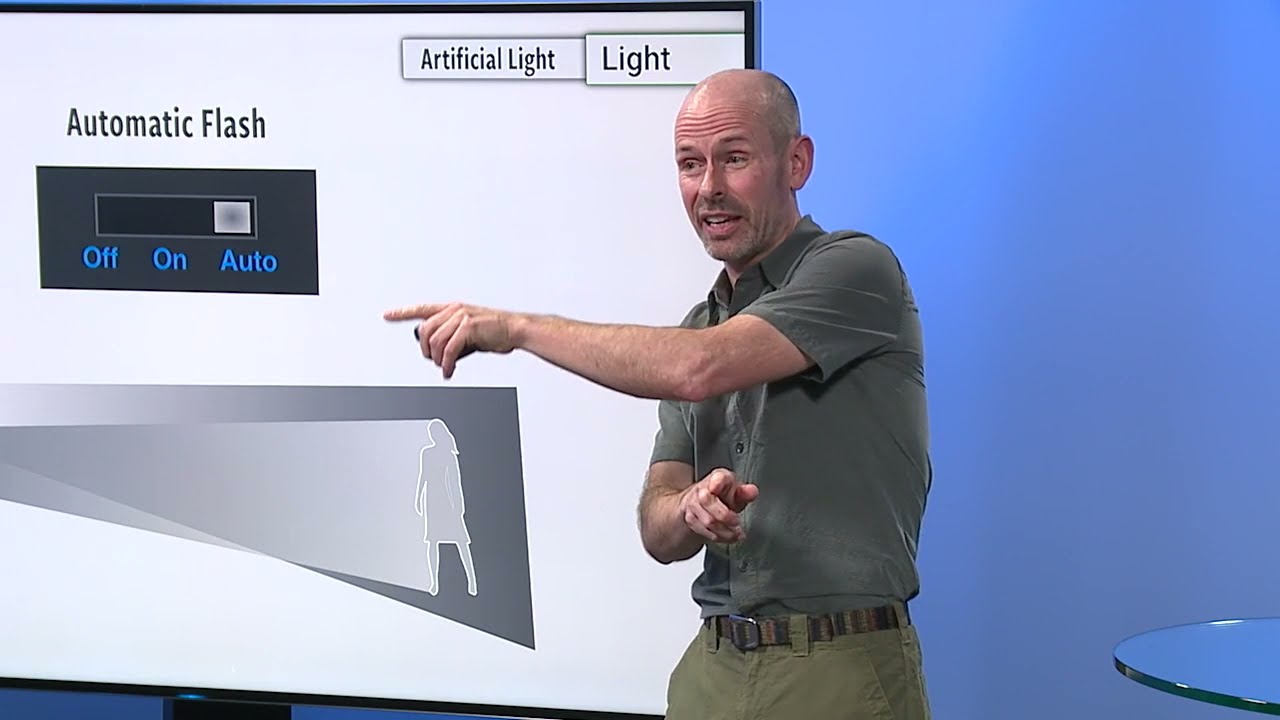
Flash is the great dividing line in photography. You can spend months getting comfortable with natural light — learning how it wraps around a face, how it changes by the hour, how to chase it and shape it – and then you pick up a speedlight and feel like you’re starting from scratch. That gap between ambient confidence and flash competence is real, and it trips up a lot of working photographers who should know better.

How to Light the Inside of a Room: Separating Walls, Ceilings, and Floors for Architectural Photography

How to Light the Inside of a Room: Separating Walls, Ceilings, and Floors for Architectural Photography

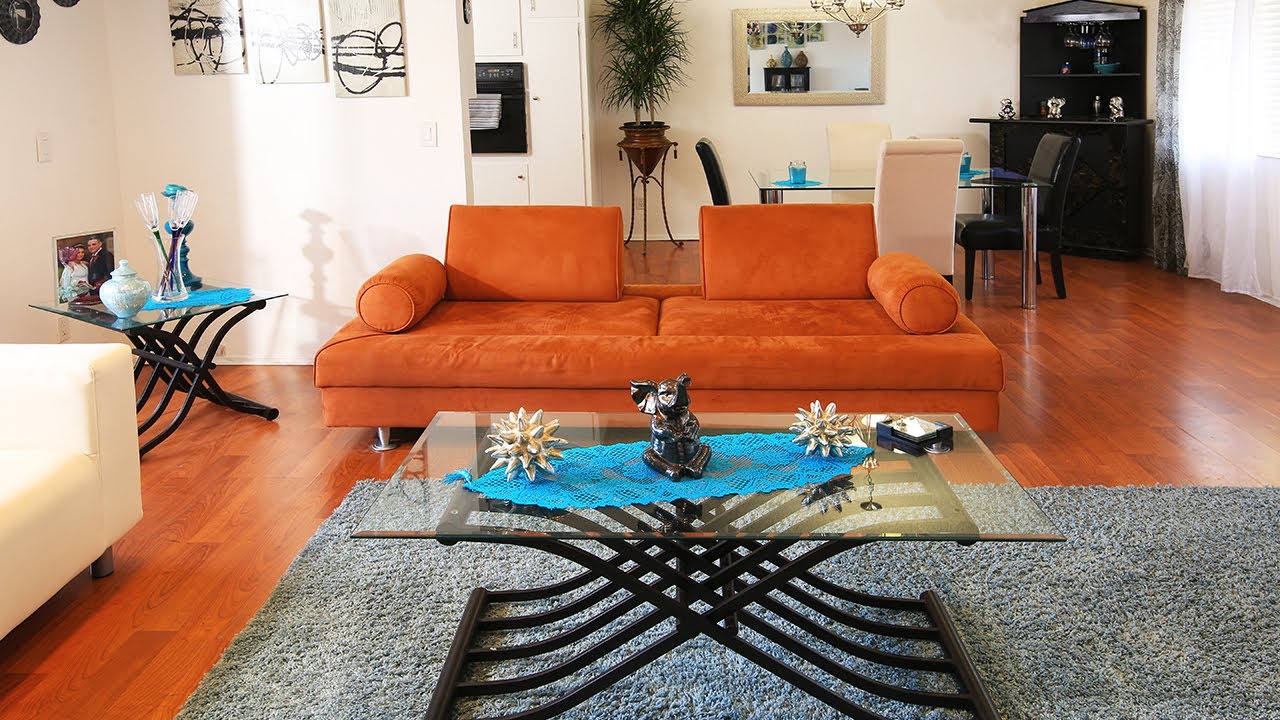
Architectural interiors have humbled me more than once. You walk into a room, you see five visible surfaces all bouncing light off each other in different directions, and the instinct is to just flood everything with a big soft source and call it done. The result is always the same: flat walls, a ceiling that disappears into the background, and a floor that looks like a sheet of gray paper. It’s the interior equivalent of slapping a ring light in front of a face and hoping for the best.

How Flash Kills Ambient Light (And Why That's the First Thing You Need to Understand)

How Flash Kills Ambient Light (And Why That's the First Thing You Need to Understand)

There’s a specific kind of embarrassment that comes from presenting a “studio portrait” to a client and realizing, in retrospect, that the background glow is just… the room. Not your light. Not your intention. Just whatever the overhead fixtures decided to contribute that day. I’ve been there. Early in my commercial work, I treated continuous light like a shortcut and spent more time in post trying to flatten out ambient contamination than I ever spent setting up the shot correctly.

Why Your Flash Photos Look Flat (And the Power Ratio Fix That Changes Everything)

Why Your Flash Photos Look Flat (And the Power Ratio Fix That Changes Everything)

The Shot That Almost Cost Me a Magazine Cover Three years into my commercial career, I walked into a beauty editorial with a rented pack system I hadn’t shot with before. I set my key light by eye, shot a Polaroid test, decided it looked close enough, and proceeded to light the entire shoot at roughly 4500K when the client’s retoucher was expecting 5600K. The resulting files had a warmth that wasn’t “golden hour editorial” - it was “broken white balance.

Steal the Concepts, Not the Style: What Bambi Cantrell's Posing Tutorial Actually Teaches You

Steal the Concepts, Not the Style: What Bambi Cantrell's Posing Tutorial Actually Teaches You

I keep a lighting journal. Every shoot, I sketch the setup in a small hardcover notebook I’ve had since my second year shooting commercially. Modifiers, distances, angles, the subject’s position relative to the key light. What I’ve noticed, flipping back through years of those sketches, is that my best work doesn’t come from copying someone else’s exact setup. It comes from understanding why a setup works and then bending it to fit the way I think.

Zero-Friction Studio Design: What Peter McKinnon's Final Studio Tour Teaches Us About Shooting from Anywhere

Zero-Friction Studio Design: What Peter McKinnon's Final Studio Tour Teaches Us About Shooting from Anywhere

There’s a specific kind of frustration that only studio photographers understand. You’ve dialed in your key light, your fill ratio is exactly where you want it, your background is clean, and then a client asks if you can shoot “from the other side.” Suddenly everything falls apart. The light hits the backdrop stand. The extension cord crosses the frame. The whole setup was engineered for one angle, and that angle only.

How to Light and Control a Group Portrait Using Profoto Flashes and Umbrellas

How to Light and Control a Group Portrait Using Profoto Flashes and Umbrellas

Group portraits are where lighting setups go to die. You dial in a beautiful exposure for one face and suddenly the person on the far left looks like they’re standing in a cave. Add a reflective surface anywhere in the frame and you’re fighting hot spots all afternoon. I’ve had editorial shoots derailed by exactly this problem, and I still keep a sketch of every group setup I do in my lighting journal because the variables multiply fast.

Seven Lights, Three Colors, One Setup: How to Use Gels to Paint Shadows with Studio Flash

Seven Lights, Three Colors, One Setup: How to Use Gels to Paint Shadows with Studio Flash

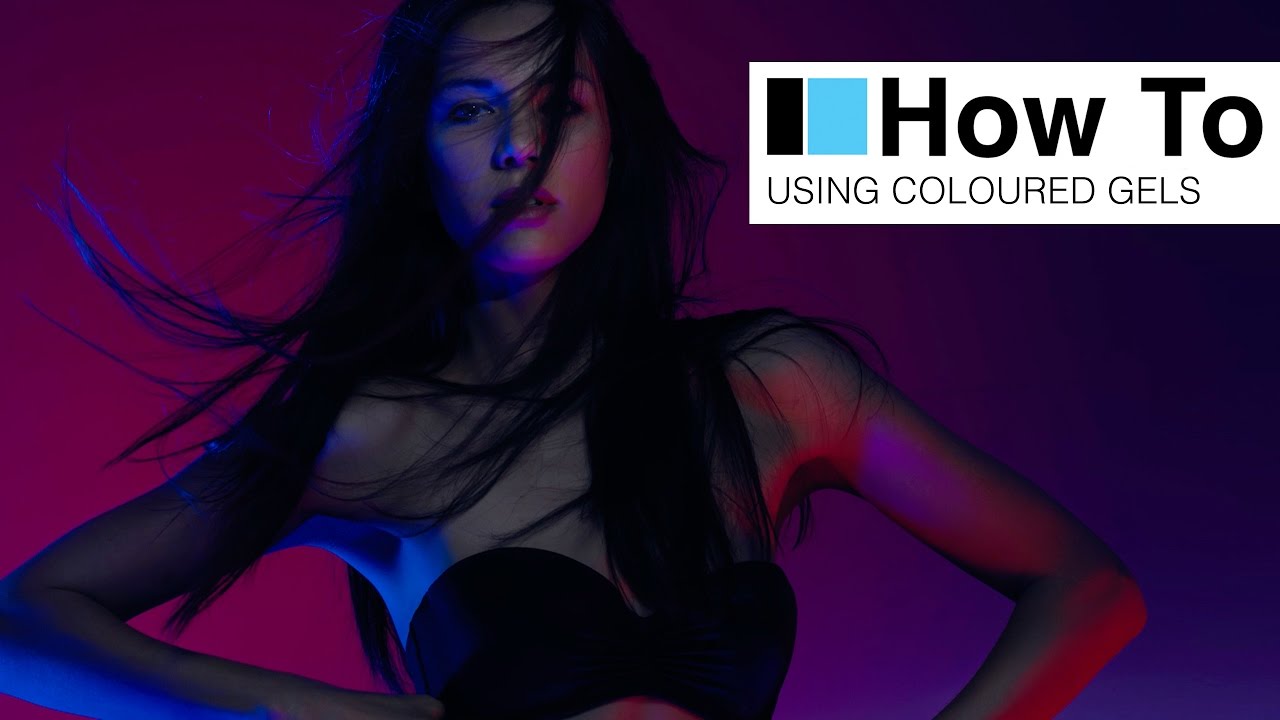
Every few months I’ll pull up a tutorial that makes me want to immediately rearrange my studio. This was one of those. In this Visual Education tutorial featuring photographer Carl Taylor, the entire approach flips the conventional logic of colored gel photography. Most photographers drop a gel on a background light and call it creative. Taylor builds a seven-light system where the gels are specifically designed to flood the shadows with color while clean white light handles the key and the face.

Inside a Creator's Studio: Lighting Lessons Hidden in Peter McKinnon's Wild Studio Tour

Inside a Creator's Studio: Lighting Lessons Hidden in Peter McKinnon's Wild Studio Tour

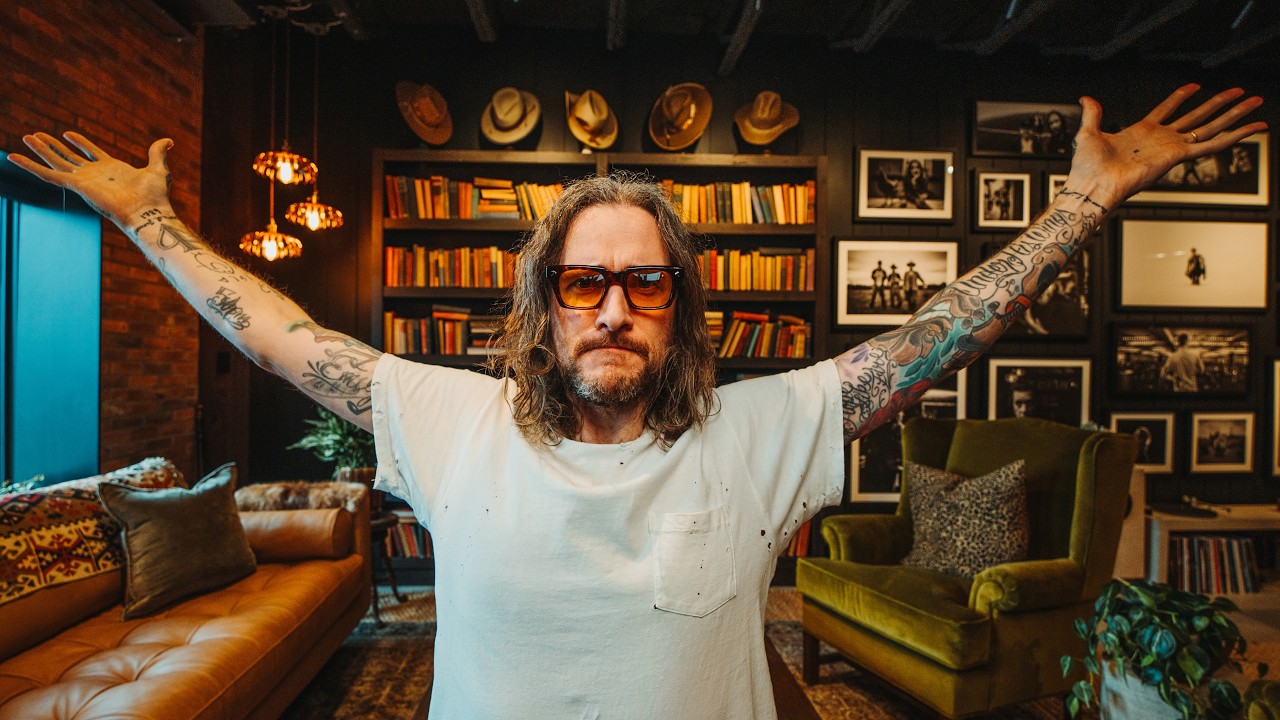
There’s a moment in every working photographer’s career when a client walks into your studio and either relaxes or tenses up. You can feel it in the first ten seconds. I’ve been shooting commercial and editorial work long enough to know that the lighting environment you build around your subjects does at least half the job before you ever fire a strobe. That’s why, even though Watch the full tutorial on YouTube this Peter McKinnon studio tour is ostensibly a fun hangout video with his friend Chris, I watched it three times taking notes on how Chris’s studio space is lit and why it works so well.

Five Lights, One Great Portrait: A Working Photographer's Breakdown of Classic Studio Lighting

Five Lights, One Great Portrait: A Working Photographer's Breakdown of Classic Studio Lighting

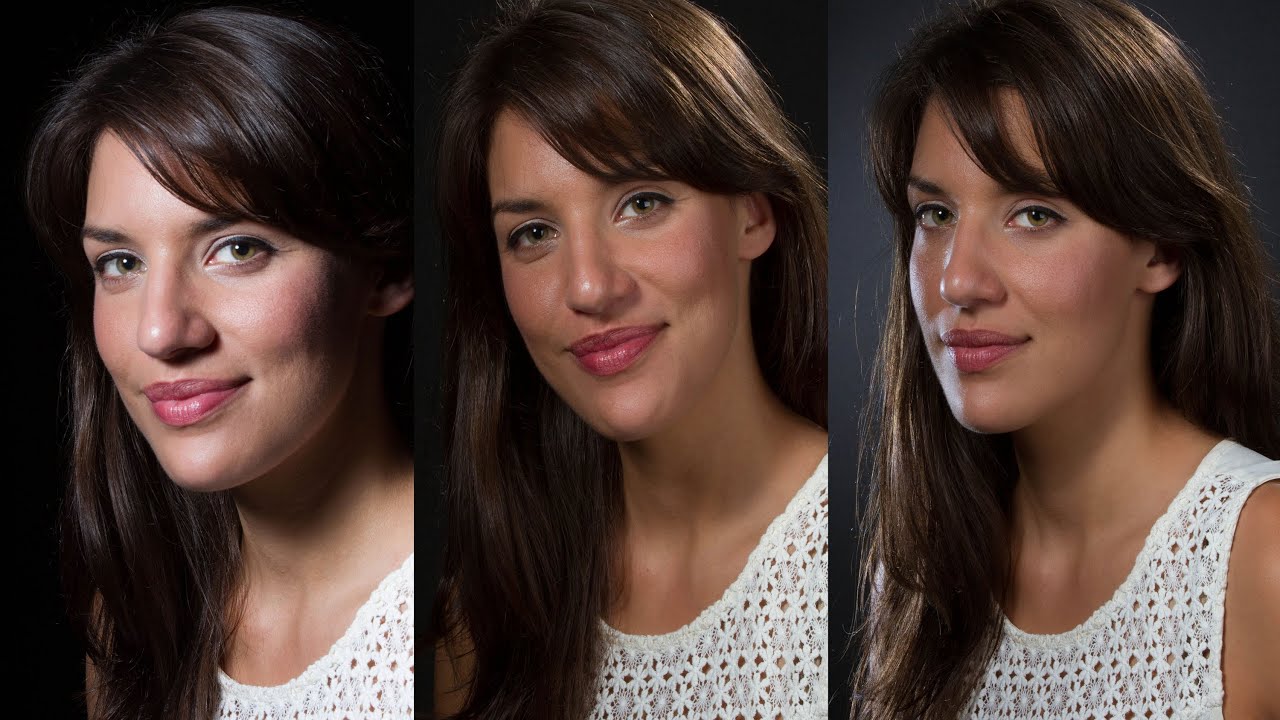
Every few years I’ll be prepping for a straightforward editorial portrait and a newer assistant will ask me why I’m setting up five lights for a single-subject shot. The honest answer is that each light is doing a specific, non-negotiable job. Remove any one of them and the image degrades in a way that’s immediately visible to anyone who shoots professionally. The problem is that most photographers learn these lights in isolation, so they understand what a fill light is in theory without ever feeling the actual difference it makes when you dial it up or pull it back.

How to Make Sunlight Look Like Moonlight: A Step-by-Step Lighting Breakdown

How to Make Sunlight Look Like Moonlight: A Step-by-Step Lighting Breakdown

There’s a specific kind of panic that hits when you’re on a set and the light outside is doing something beautiful but completely wrong for your shot. I’ve been there more than once, staring at warm afternoon window light pouring across a scene that was supposed to feel cold and cinematic. For years, I treated that as a problem to fix in post. Then I started understanding white balance not as a correction tool, but as a creative weapon.