Mastering Bridal Party Poses and Off-Camera Flash in Harsh Sunlight

Mastering Bridal Party Poses and Off-Camera Flash in Harsh Sunlight

I shoot controlled environments for a living. Fashion sets, beauty campaigns, corporate headshots where every light has a piece of masking tape on the barn door with its exact purpose written in marker. So when I need to think about uncontrolled environments, I actively go looking for photographers who’ve made chaos their workflow. That’s why I keep coming back to wedding photographers. They solve hard lighting problems fast, with real people who don’t take direction like models, in locations that don’t cooperate.

The Five Essential Portrait Lighting Patterns Every Studio Photographer Must Master

The Five Essential Portrait Lighting Patterns Every Studio Photographer Must Master

The Five Essential Portrait Lighting Patterns Every Studio Photographer Must Master I’ve spent twenty years perfecting portrait lighting, and I can tell you this with absolute certainty: most photographers overcomplicate it. They chase exotic modifiers and chase trends when they should be mastering five fundamental patterns that solve 90% of your portrait challenges. These aren’t artistic suggestions—they’re structural foundations. Learn them precisely, and you’ll build every other lighting setup from here forward.

Rim Lighting: The Technique That Separates Amateur From Professional

Rim Lighting: The Technique That Separates Amateur From Professional

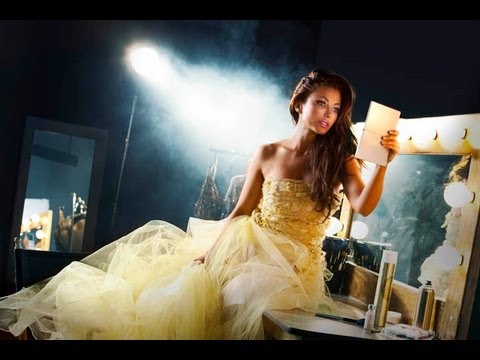
What Rim Lighting Actually Does Rim lighting isn’t decorative. It’s functional. I use it to carve subjects away from backgrounds—to create dimensionality that flat, frontal lighting simply cannot achieve. When executed correctly, a rim light creates a luminous edge that defines the subject’s outline and adds perceived depth to the image. This is especially critical in portrait and product photography where separation is everything. The technique involves placing a light source behind and to the side of your subject, angled so it catches the edge of their form without spilling light directly into the lens.

Group Lighting: The Recipe for Even Exposure Across Multiple Subjects

Group Lighting: The Recipe for Even Exposure Across Multiple Subjects

Group Lighting: The Recipe for Even Exposure Across Multiple Subjects Group lighting is where most photographers abandon precision and hope for the best. I don’t operate that way. After years of shooting corporate teams, families, and wedding parties, I’ve developed a systematic approach that eliminates the guessing game. You need methodology, not luck. The Core Problem: Distance and Angle Variation Here’s what kills group shots: your key light works perfectly for the front row at 8 feet away, but it creates harsh shadows on the back row at 12 feet away.

Flash Photography: The Recipe for Consistent, Controllable Light

Flash Photography: The Recipe for Consistent, Controllable Light

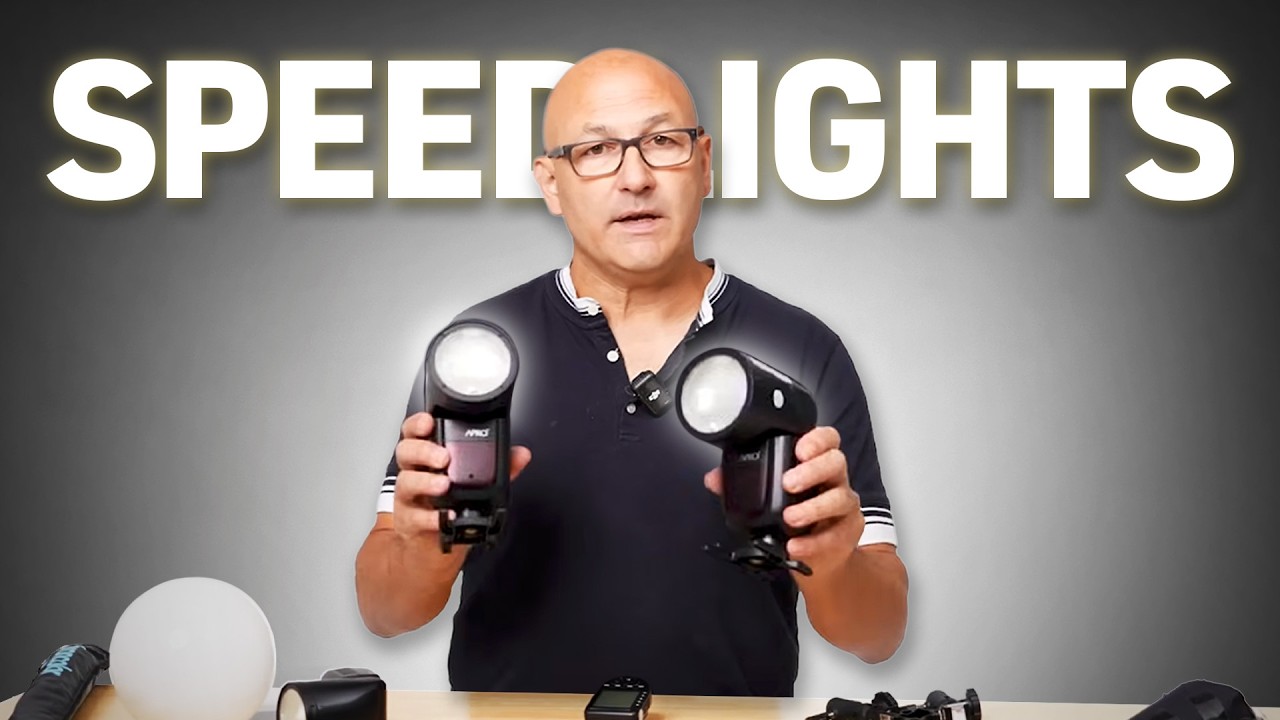
Flash Photography: The Recipe for Consistent, Controllable Light I’ve spent twenty years in studios, and I’ll say it plainly: photographers who master flash are photographers who control their output. Natural light is beautiful but unreliable. Flash is your ingredient list—measure it correctly, and you get repeatable results every single time. Why Flash Matters (Beyond Just Brightness) Flash isn’t about filling a dark room. It’s about precision. When you dial in your flash power, you’re setting an exact amount of light.

Group Lighting: The Three-Light Foundation That Actually Works

Group Lighting: The Three-Light Foundation That Actually Works

Group Lighting: The Three-Light Foundation That Actually Works Group photography intimidates most photographers because they assume complexity scales with headcount. It doesn’t. What changes is your commitment to placement over power. I’ve lit groups from three people to thirty using the same foundational approach—and I’m going to give it to you straight. The fundamental problem with groups: you can’t feather light the way you do in portraits. Feathering works when you’re controlling one face.

Why Those AI Studio Setup Guides Are Setting You Up to Fail

Why Those AI Studio Setup Guides Are Setting You Up to Fail

I’ve spent twenty years building studio setups and teaching photographers how to light subjects properly. In the last six months, I’ve noticed something troubling: my inbox fills with questions from photographers who’ve built studios based on AI-generated diagrams, and almost every one of them is fighting with something that doesn’t work. The diagrams look fantastic. They’re rendered in clean 3D, they have professional labels, they show modifiers positioned at precise angles.

Why the Spaceballs Sequel Matters to Studio Portrait Photographers

Why the Spaceballs Sequel Matters to Studio Portrait Photographers

I’ve been thinking a lot about cinematic lighting consistency lately, and the recent announcement about the Spaceballs sequel dropping in April 2027 crystallizes something important for studio photographers: how do you photograph familiar faces after forty years and maintain visual coherence? The Challenge of Lighting Returning Cast Members Here’s what fascinates me about this project. When Mel Brooks, Rick Moranis, Bill Pullman, and the rest of that original ensemble return to their iconic roles, the cinematographer faces a genuine technical puzzle.

Why Professional Photographers Are Sleeping on Snoots and Projectors

Why Professional Photographers Are Sleeping on Snoots and Projectors

The Attachments That Change Everything I’ve spent enough time in studios to recognize patterns. Most photographers nail the fundamentals—they understand key light, fill light, and backdrop separation. But there’s a tier above this where the real control happens, and it’s occupied by a frustratingly small percentage of shooters. The culprit? Simple neglect of specialized attachments like snoots and projector heads. What Makes These Tools Different A snoot is elegantly straightforward—a tapered tube that concentrates light into a tight, controlled beam.

What Apple's Design Evolution Teaches Us About Lighting and Product Photography

What Apple's Design Evolution Teaches Us About Lighting and Product Photography

I recently learned about an extraordinary exhibition opening in Roswell, Georgia that’s shifted my thinking about how we photograph technology and industrial design. The Mimms Museum of Technology and Art is launching iNSPIRE: 50 Years of Innovation from Apple, and while the exhibit itself celebrates a tech giant’s history, it’s the visual storytelling behind those products that fascinates me as a studio photographer. Why Apple’s Design Matters to Your Lighting Setup What strikes me most about Apple’s product line isn’t just the innovation—it’s the consistency of visual language.

The Mirror Prism Lighting Trick: Why Shape Matters More Than Power

The Mirror Prism Lighting Trick: Why Shape Matters More Than Power

There’s a category of studio effect that looks spectacular on set and falls completely flat in the final image. I’ve been burned by this more times than I care to admit. The disconnect usually comes down to one thing: your eye adapts to what it sees in the room, but the camera captures only what the light is actually doing. That gap between perception and capture is exactly what this technique forces you to confront.

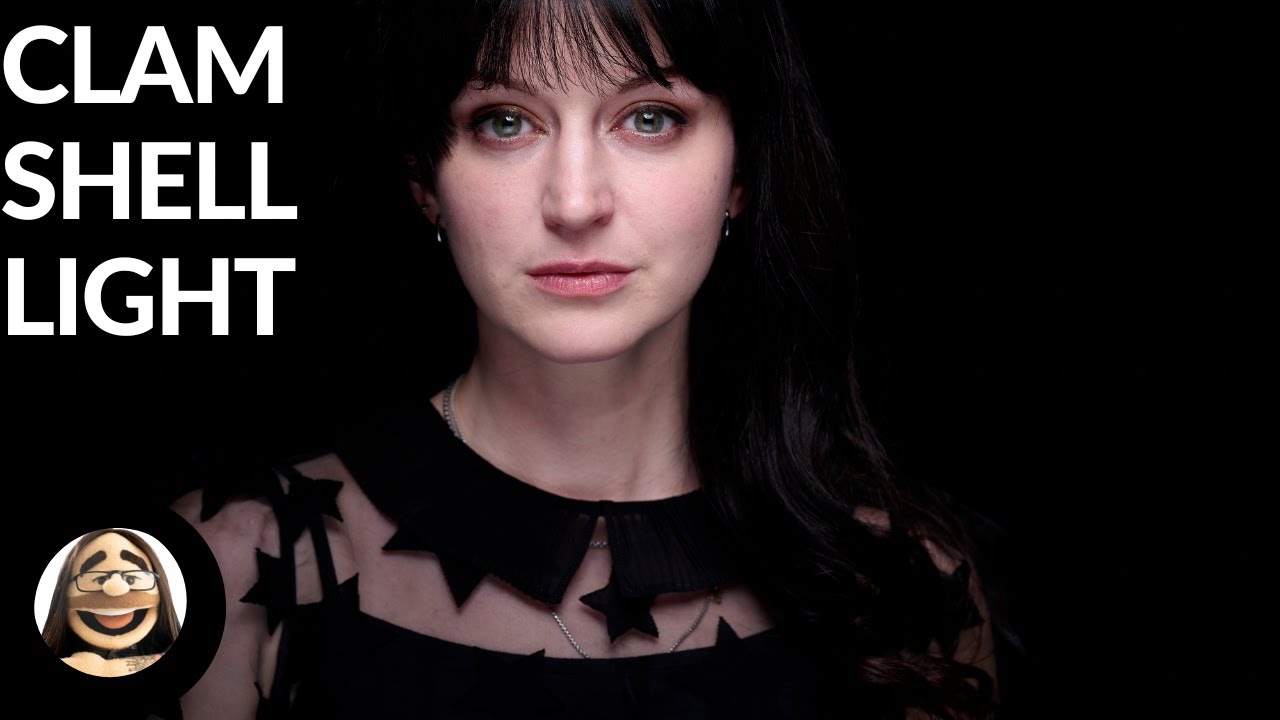
The Four Lighting Patterns Every Studio Photographer Must Master

The Four Lighting Patterns Every Studio Photographer Must Master

In this excellent tutorial, Joel Grimes breaks down the intimidating world of studio portrait lighting into four manageable, repeatable patterns. If you’ve ever felt overwhelmed by the complexity of studio work, this is exactly where you need to start. I’ve been lighting portraits for fifteen years, and I can tell you with absolute certainty: these four patterns are the foundation of professional photography. Master them, and you’ll immediately understand why your portraits suddenly look like they belong in a portfolio instead of on Instagram.