Studio Anywhere: What Joel Grimes' Sprinter Van Teaches Us About Portable Portrait Lighting

Studio Anywhere: What Joel Grimes' Sprinter Van Teaches Us About Portable Portrait Lighting

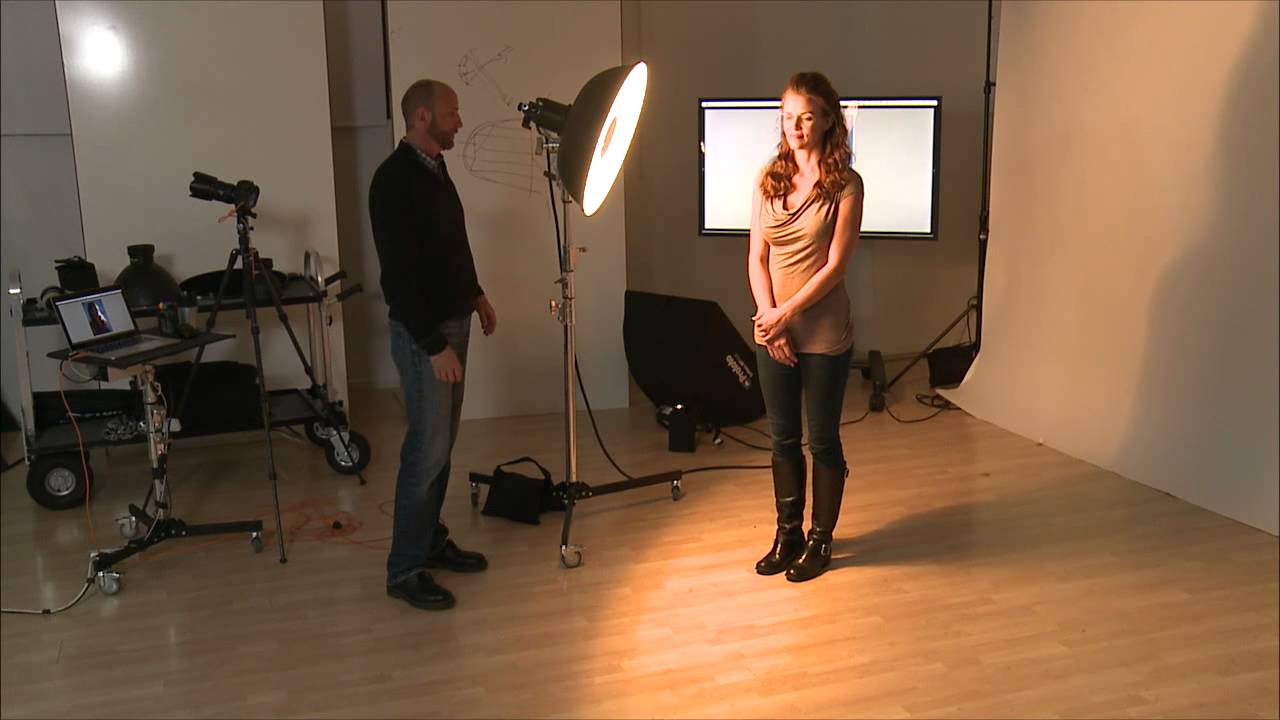
There’s a specific kind of anxiety that hits when a client wants “something different” and your entire lighting setup lives in a studio you can’t move. I’ve felt it. You start mentally cataloging what you can rent, what you can beg from another photographer, whether a speedlight-and-reflector combo can pull off the look you promised. The answer is sometimes yes, but the planning overhead is brutal. That’s why when I came across this Joel Grimes tutorial showing how he built a fully functional portrait studio inside a Winnebago Revel Sprinter van, I watched it twice before breakfast.

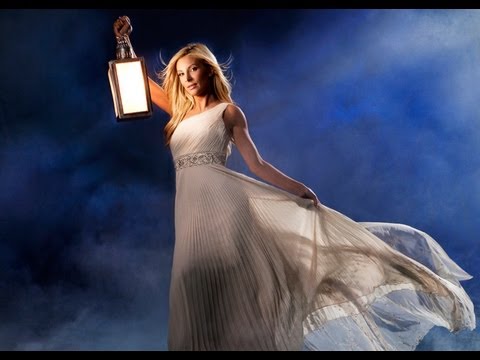
How I Set Up a Glamour Portrait Studio Session (And What I Learned from Tony Northrup's Shoot)

How I Set Up a Glamour Portrait Studio Session (And What I Learned from Tony Northrup's Shoot)

Every studio photographer eventually faces the same problem: too many moving pieces arriving at the same time. The model shows up, the makeup artist is still packing her kit, and you’re standing there trying to swap out a modifier while everyone watches. I’ve been there more than once in my early years, and it cost me momentum on shoots where momentum was everything. That’s why I keep coming back to tutorials that treat production logistics as seriously as they treat f-stops.

What Sue Bryce's Studio Design Teaches Every Working Photographer About Space, Flow, and Client Psychology

What Sue Bryce's Studio Design Teaches Every Working Photographer About Space, Flow, and Client Psychology

I’ve been in a lot of studios. Shot in borrowed spaces, rented daylight lofts, converted warehouses, and one genuinely terrible basement in Burbank where the ceiling was so low I had to angle every softbox sideways. What I’ve learned across all of them is that the physical space isn’t neutral. It talks to your clients before you do. It tells them what kind of photographer you are, what they can expect to pay, and whether they should trust you with something as personal as their own portrait.

What Street Photography Taught Me About Getting Out of My Own Way

What Street Photography Taught Me About Getting Out of My Own Way

I shoot in a controlled environment for a living. Every light in my studio has a strip of masking tape on it with a name. I have a custom app on my phone for drawing lighting diagrams. When a new modifier arrives, I test it the same day it shows up at my door. I built my career on the idea that photography is something you engineer. So when a street photographer made me genuinely reconsider the way I think about images, I paid attention.

How to Light and Pose Swimwear in the Studio Without a Pool, a Beach, or a Prayer

How to Light and Pose Swimwear in the Studio Without a Pool, a Beach, or a Prayer

Last month I got a booking from a small activewear brand that had pivoted into swimwear. They needed catalog shots, clean white-background stuff, and a handful of editorial-leaning images for their website hero. I’ve shot plenty of fitness and apparel work, but swimwear has its own specific gravity. The lighting that flatters a jacket flatters almost nothing else. The posing that reads confident in sportswear can read uncomfortable or overly exposed in a swimsuit.

Your Glossy Products Are Mirrors. Start Lighting Them That Way.

Your Glossy Products Are Mirrors. Start Lighting Them That Way.

Every commercial photographer has a version of this story. A client sends over a cosmetics product, something small and impossibly shiny, and you set up what feels like a reasonable light position and fire a test shot. The result looks like a snapshot from a drugstore circular. The surface is either blowing out in a hot white blob or reading as a flat, lifeless panel with no dimension whatsoever. I have a lighting journal where I sketch every setup from every shoot, and I can flip back through dozens of pages where a note in the margin reads some version of “glossy surfaces are the enemy.

The Social Media Formula Behind 730K Followers (And What Studio Photographers Can Actually Steal From It)

The Social Media Formula Behind 730K Followers (And What Studio Photographers Can Actually Steal From It)

Social media has never been the part of this job I enjoy. I am much more comfortable taping modifier names onto barn doors and sketching light plots in my journal than I am writing captions or thinking about posting schedules. But the business reality of running a studio in Los Angeles is that the photographers who get consistent work are the ones who show up consistently online. That tension has been sitting on my desk for years.

Why Lighting Ratios Are the First Thing I Check When a Studio Shot Isn't Working

Why Lighting Ratios Are the First Thing I Check When a Studio Shot Isn't Working

A few months back I was mid-way through a beauty editorial, two hours in, and something was off. The skin tones looked flat on one side and blown out on the other, and I kept adjusting my key light position when the real problem was simpler and more embarrassing. My ratio was wrong. I had not set a deliberate relationship between my key and fill before the first frame. I was chasing a symptom instead of diagnosing the cause.

One Desk Lamp, One Subject, Zero Excuses: What Project 3 Taught Me About Lighting Control

One Desk Lamp, One Subject, Zero Excuses: What Project 3 Taught Me About Lighting Control

There’s a specific problem that comes up constantly in commercial food and product work: shiny surfaces that either blow out completely or go flat and lifeless depending on where you put your light. I’ve burned through more test shots than I care to count trying to dial in the relationship between a glossy surface and the matte areas surrounding it. Too much light and you lose the specular highlight that tells the viewer “this is wet, this is fresh.

Why I Stopped Editing With Just a Keyboard and Mouse (And What I Use Instead)

Why I Stopped Editing With Just a Keyboard and Mouse (And What I Use Instead)

I am not an early adopter. Every modifier that arrives at my studio gets tested the same day, yes, but software and hardware controllers? I let other people be the guinea pigs. I have a system that works, built over years of commercial and editorial shooting, and the last thing I want during a deadline crunch is to relearn muscle memory. So when I came across this Watch the full tutorial on YouTube from Daniel Norton Photographer, I almost scrolled past it.

Why Your Group Shots Look Wrong — And the Physics That Fixes Them

Why Your Group Shots Look Wrong — And the Physics That Fixes Them

Group shots are the shoot I see photographers quietly dread more than any other. Clients assume they’re simpler than individual portraits. Less fuss, fewer variables. In reality they concentrate every technical problem into one frame: competing shadows, lens distortion, uneven exposure across multiple faces, and the uncomfortable social geometry of arranging people who don’t quite know where to stand. I’ve sketched the lighting setups from hundreds of shoots in my journal over the years, and group portraits fill more pages with crossed-out diagrams than anything else.

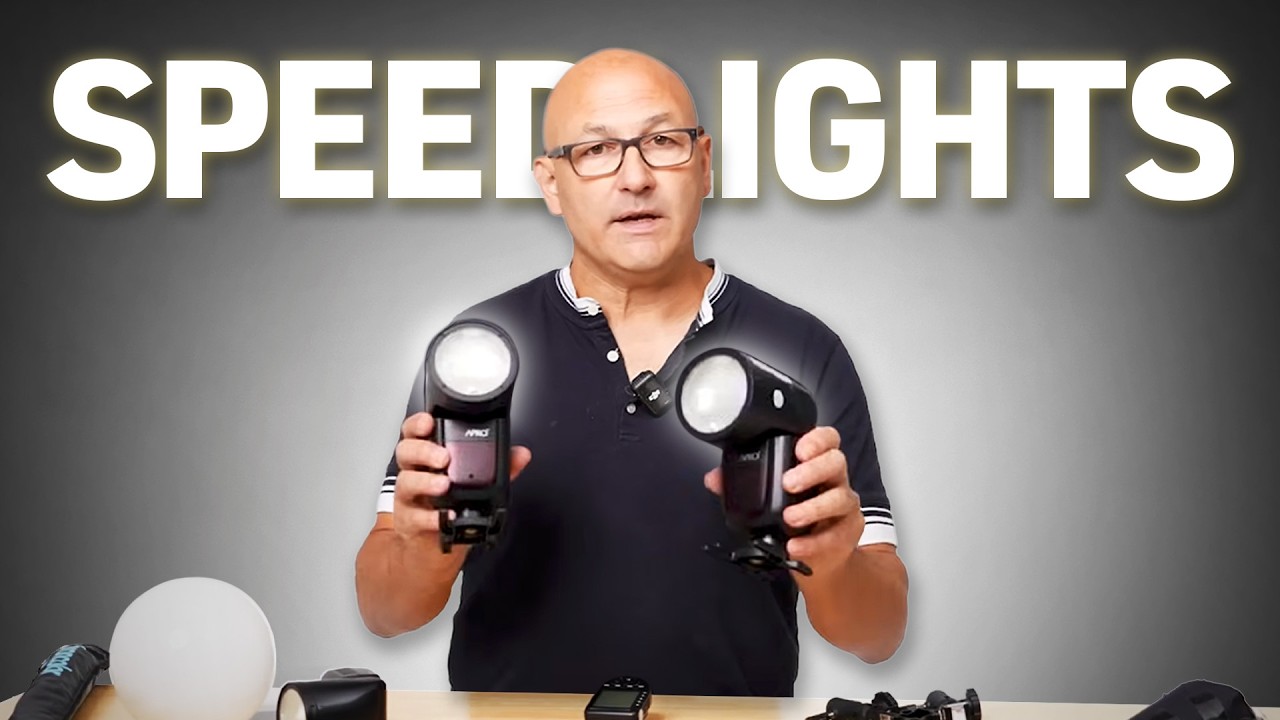
How Joel Grimes Builds a Strobe System That Actually Works in a Working Studio

How Joel Grimes Builds a Strobe System That Actually Works in a Working Studio

Client calls on a Tuesday. Shoot is Friday. Location is a rooftop in downtown Los Angeles, full midday sun, and they want dramatic, clean portraits with a shallow depth of field. That’s the exact situation where a weak or poorly chosen strobe system stops being an inconvenience and starts costing you the job. I’ve been burned before by gear that looked fine in the studio and fell apart the moment I took it outside, and it taught me to treat strobe selection like I treat any other part of my workflow: with a clear, repeatable checklist.