How to Light and Control a Group Portrait Using Profoto Flashes and Umbrellas

How to Light and Control a Group Portrait Using Profoto Flashes and Umbrellas

Group portraits are where lighting setups go to die. You dial in a beautiful exposure for one face and suddenly the person on the far left looks like they’re standing in a cave. Add a reflective surface anywhere in the frame and you’re fighting hot spots all afternoon. I’ve had editorial shoots derailed by exactly this problem, and I still keep a sketch of every group setup I do in my lighting journal because the variables multiply fast.
Flow Posing in the Studio: How Sue Bryce's Direction Framework Changed the Way I Shoot Portraits

Flow Posing in the Studio: How Sue Bryce's Direction Framework Changed the Way I Shoot Portraits

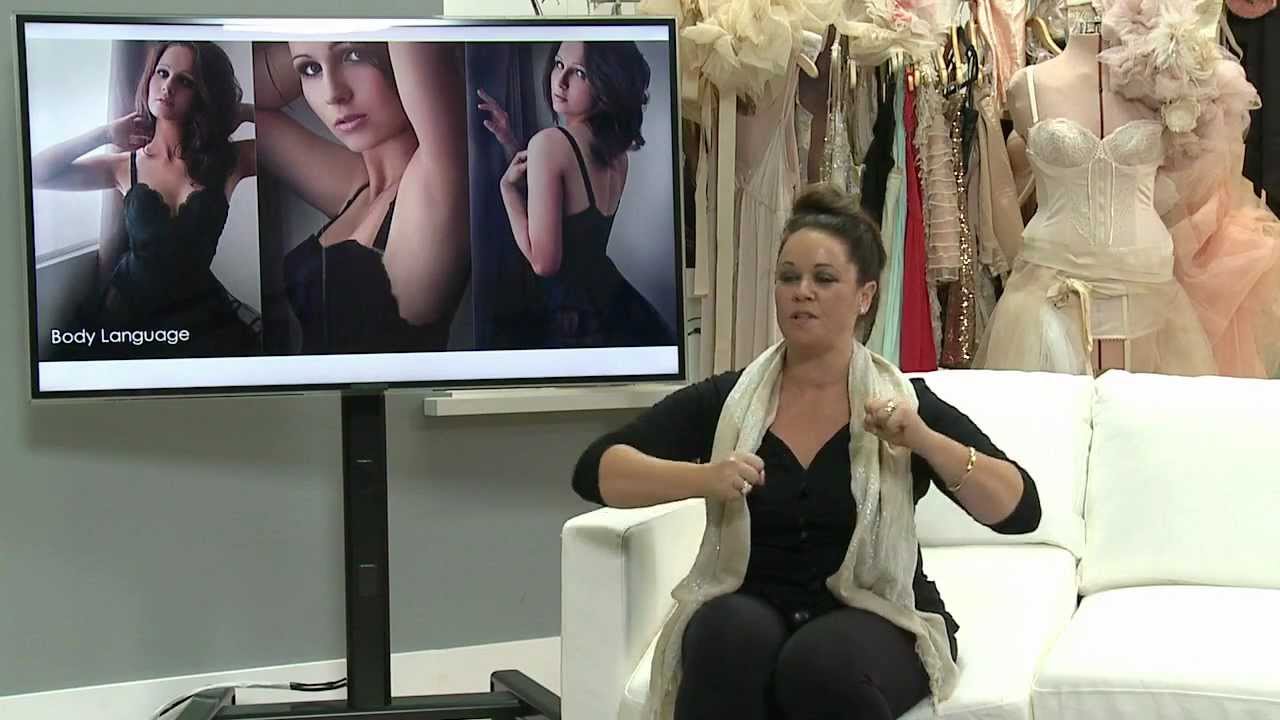
Posing is the thing most lighting-focused photographers underestimate until it costs them a client. I know this because I spent years dialing in my light, calibrating my modifiers, labeling every fixture in my studio with masking tape so nothing would ever be ambiguous, and then watching perfectly lit frames fall apart because my subject looked stiff, uncertain, or just geometrically wrong. Good light on a bad pose is still a bad photograph.

Seven Lights, Three Colors, One Setup: How to Use Gels to Paint Shadows with Studio Flash

Seven Lights, Three Colors, One Setup: How to Use Gels to Paint Shadows with Studio Flash

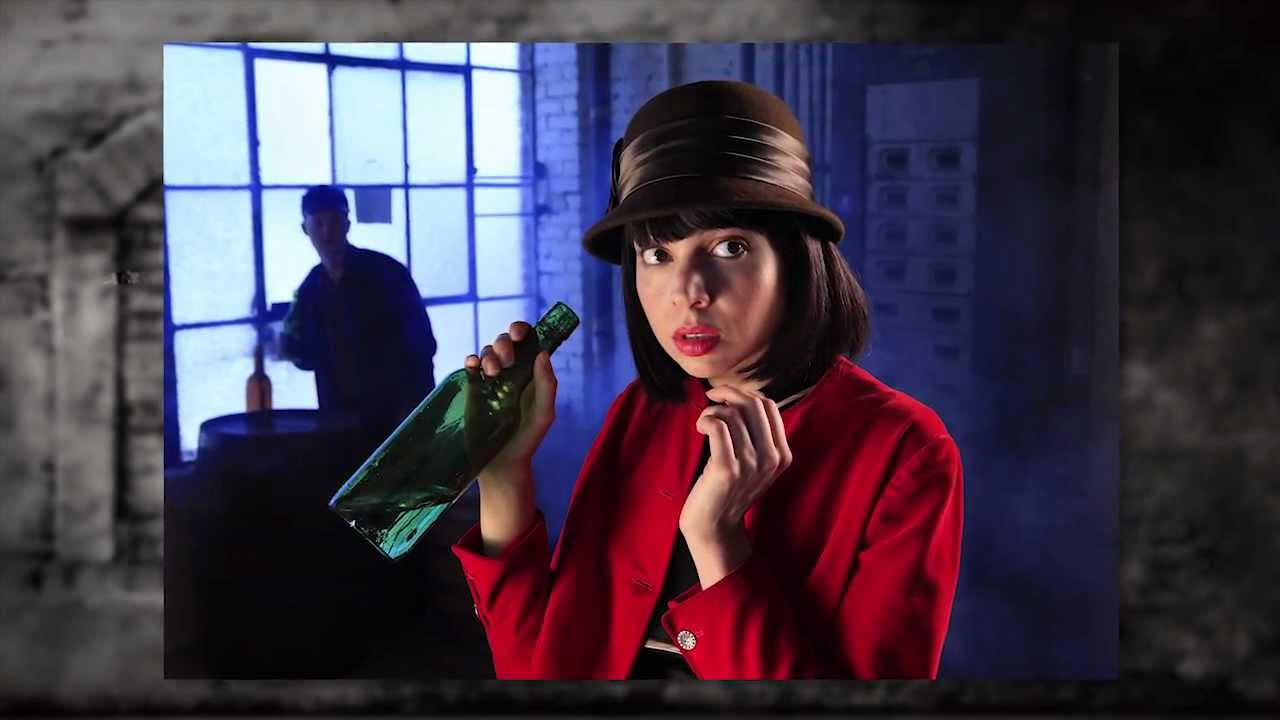
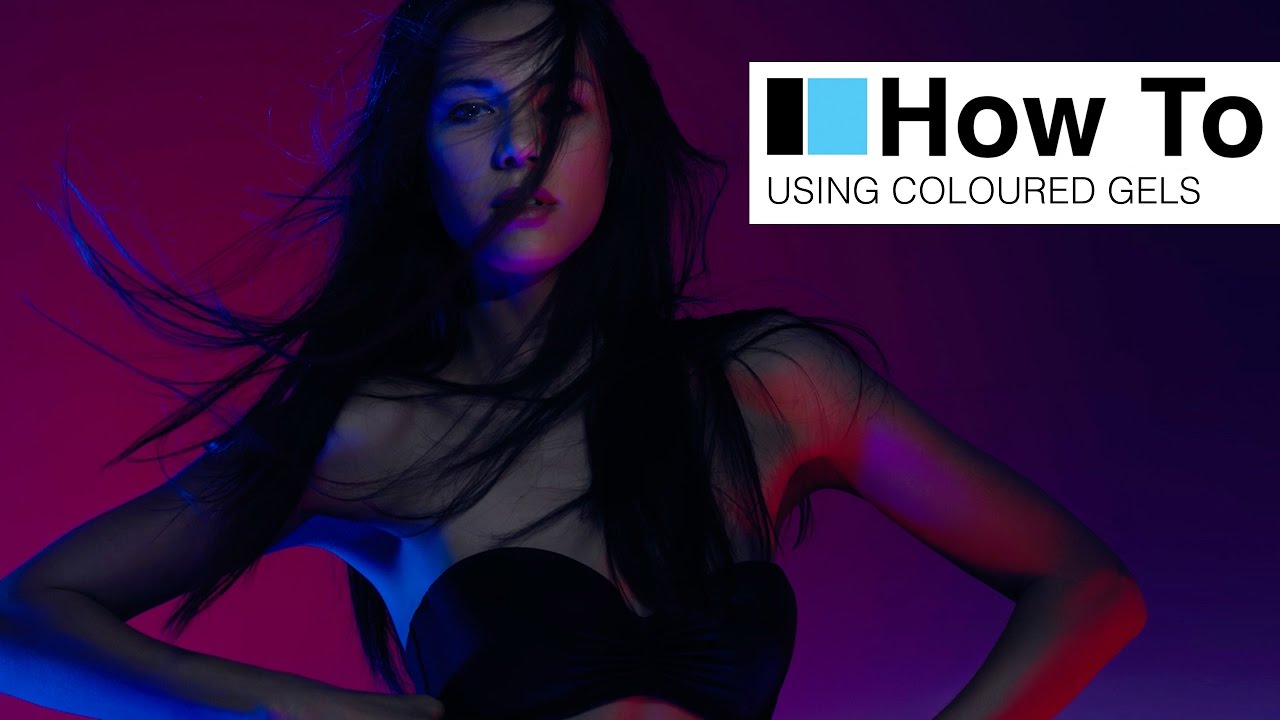
Every few months I’ll pull up a tutorial that makes me want to immediately rearrange my studio. This was one of those. In this Visual Education tutorial featuring photographer Carl Taylor, the entire approach flips the conventional logic of colored gel photography. Most photographers drop a gel on a background light and call it creative. Taylor builds a seven-light system where the gels are specifically designed to flood the shadows with color while clean white light handles the key and the face.

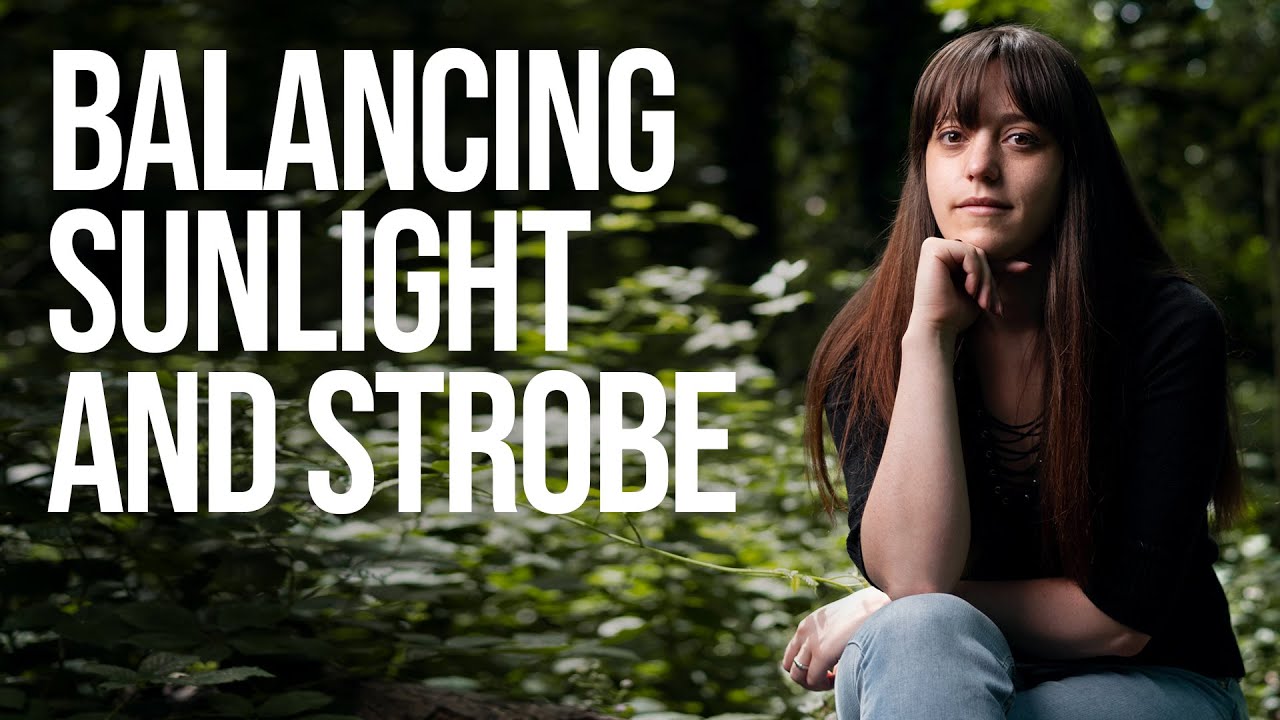
How to Fight Bad Sunlight With a Strobe and Win: A Field Guide to Balancing Ambient and Flash

How to Fight Bad Sunlight With a Strobe and Win: A Field Guide to Balancing Ambient and Flash

Environmental portraits are where the real money lives, at least in my world. Fashion clients want context. Corporate clients want their executives to look like they actually inhabit their industry. Nobody wants a gray seamless when they could have a story. The problem is that the world does not cooperate with your light meter. You show up on location and the sun is directly overhead, the shadows are brutal, and your subject’s face looks like a police lineup photo.

Inside a Creator's Studio: Lighting Lessons Hidden in Peter McKinnon's Wild Studio Tour

Inside a Creator's Studio: Lighting Lessons Hidden in Peter McKinnon's Wild Studio Tour

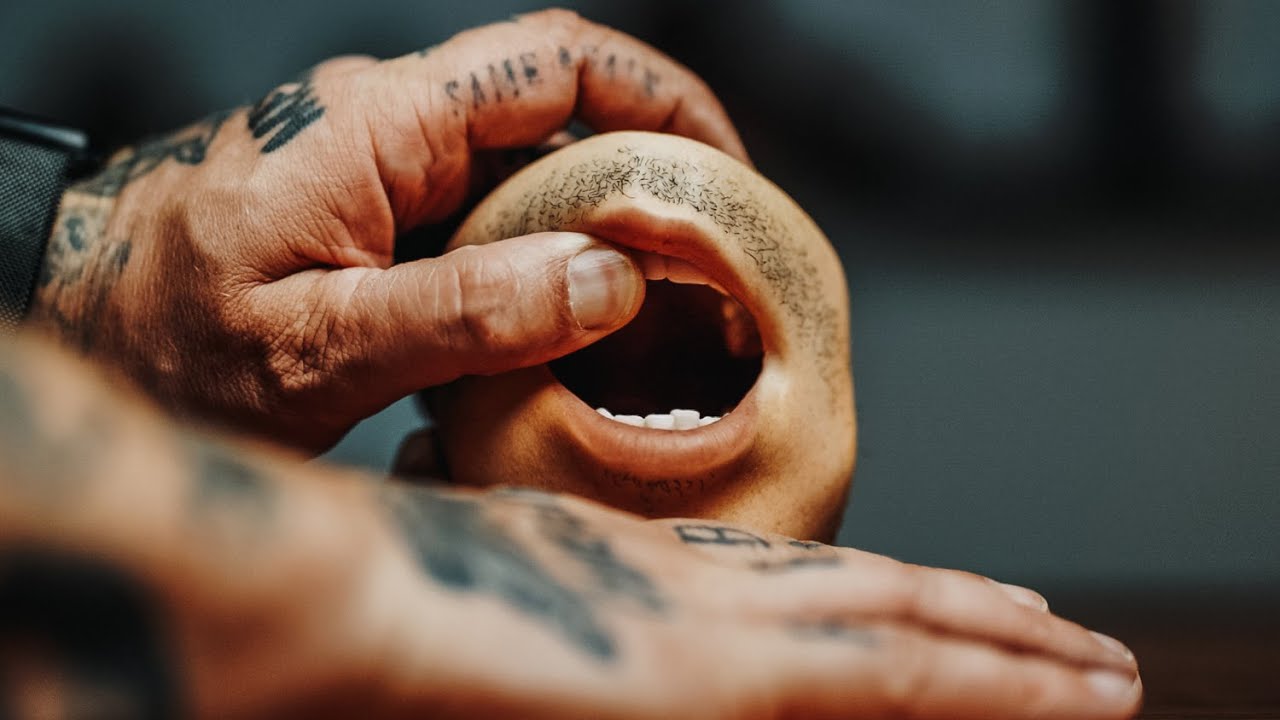
There’s a moment in every working photographer’s career when a client walks into your studio and either relaxes or tenses up. You can feel it in the first ten seconds. I’ve been shooting commercial and editorial work long enough to know that the lighting environment you build around your subjects does at least half the job before you ever fire a strobe. That’s why, even though Watch the full tutorial on YouTube this Peter McKinnon studio tour is ostensibly a fun hangout video with his friend Chris, I watched it three times taking notes on how Chris’s studio space is lit and why it works so well.

Five Lights, One Great Portrait: A Working Photographer's Breakdown of Classic Studio Lighting

Five Lights, One Great Portrait: A Working Photographer's Breakdown of Classic Studio Lighting

Every few years I’ll be prepping for a straightforward editorial portrait and a newer assistant will ask me why I’m setting up five lights for a single-subject shot. The honest answer is that each light is doing a specific, non-negotiable job. Remove any one of them and the image degrades in a way that’s immediately visible to anyone who shoots professionally. The problem is that most photographers learn these lights in isolation, so they understand what a fill light is in theory without ever feeling the actual difference it makes when you dial it up or pull it back.

How to Make Sunlight Look Like Moonlight: A Step-by-Step Lighting Breakdown

How to Make Sunlight Look Like Moonlight: A Step-by-Step Lighting Breakdown

There’s a specific kind of panic that hits when you’re on a set and the light outside is doing something beautiful but completely wrong for your shot. I’ve been there more than once, staring at warm afternoon window light pouring across a scene that was supposed to feel cold and cinematic. For years, I treated that as a problem to fix in post. Then I started understanding white balance not as a correction tool, but as a creative weapon.

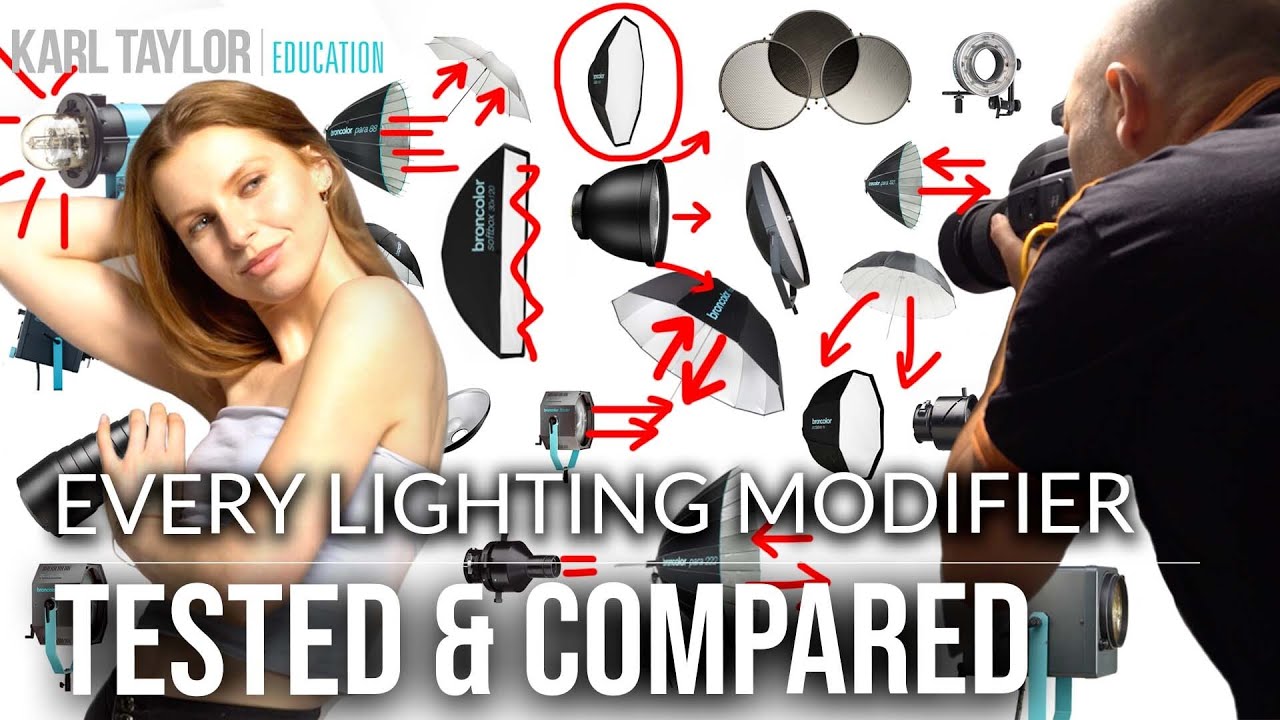
Every Modifier in My Studio, Tested Back-to-Back: What I Learned from Watching Visual Education Do It Right

Every Modifier in My Studio, Tested Back-to-Back: What I Learned from Watching Visual Education Do It Right

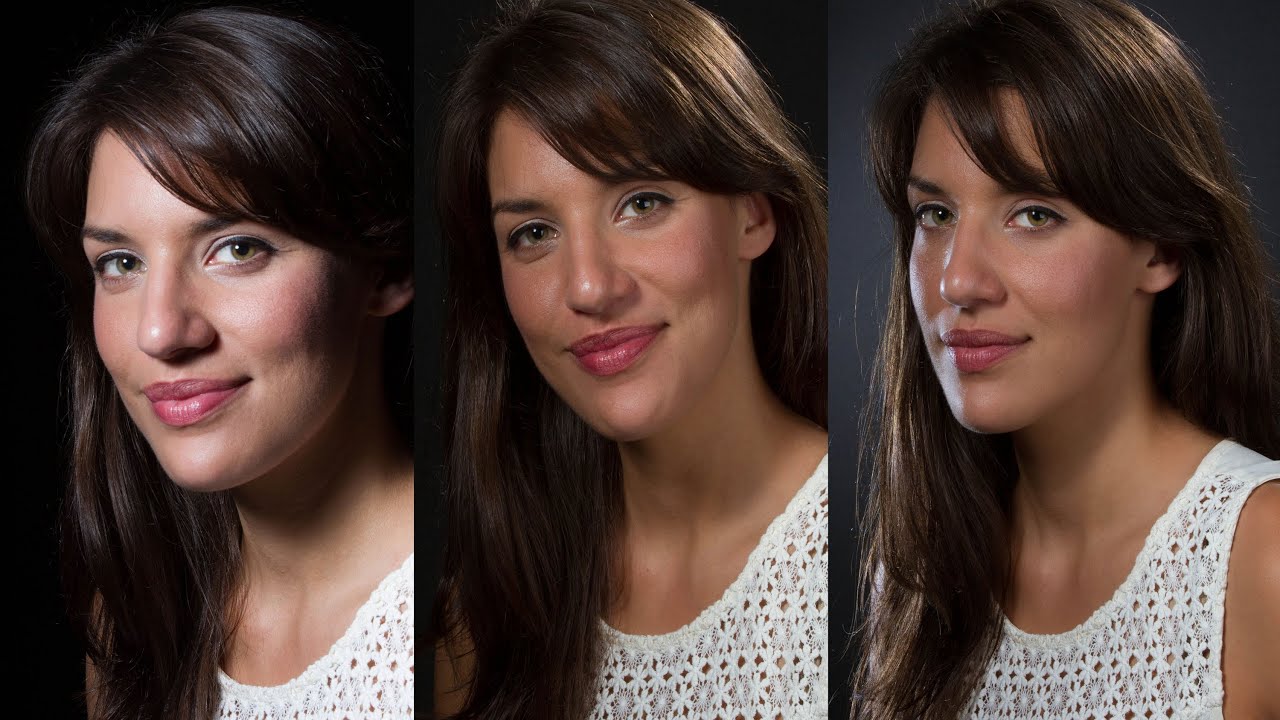
I keep a lighting journal. Every setup from every shoot gets a quick sketch - modifier, distance, angle, power output, and one line about what the skin looked like. After years of filling those notebooks, I thought I had a pretty solid mental map of how different modifiers behave. Then I watched Visual Education’s comparison of more than 25 modifiers tested back-to-back on the same subject, under controlled conditions, and I realized my map had some gaps.

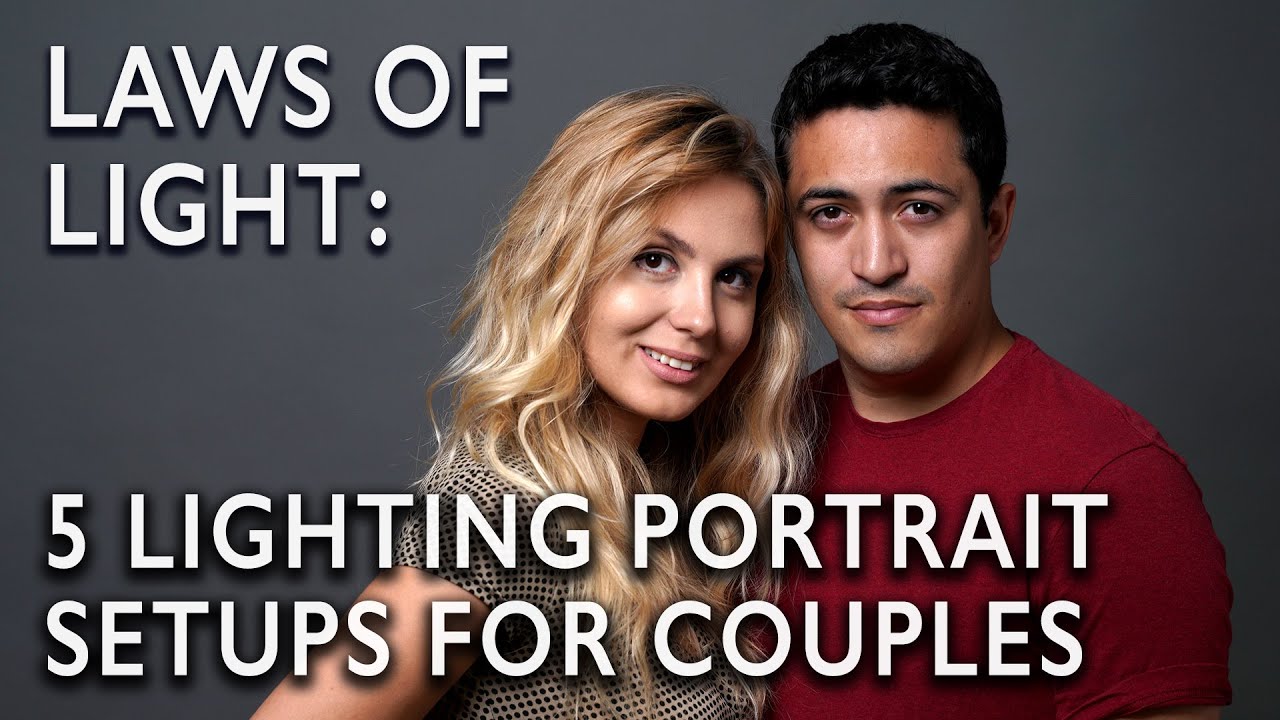
Two People, One Light: How to Apply the 5 Portrait Lighting Positions to Couples

Two People, One Light: How to Apply the 5 Portrait Lighting Positions to Couples

Lighting two people in the same frame is, in my experience, one of the most deceptively difficult things you can do in a studio. Singles are straightforward. Groups of three or five give you natural triangular composition to lean on. Two people sit right in the awkward middle: they fight for visual dominance, their heads rotate independently, and the same key light that sculpts one face beautifully can flatten or blow out the other.

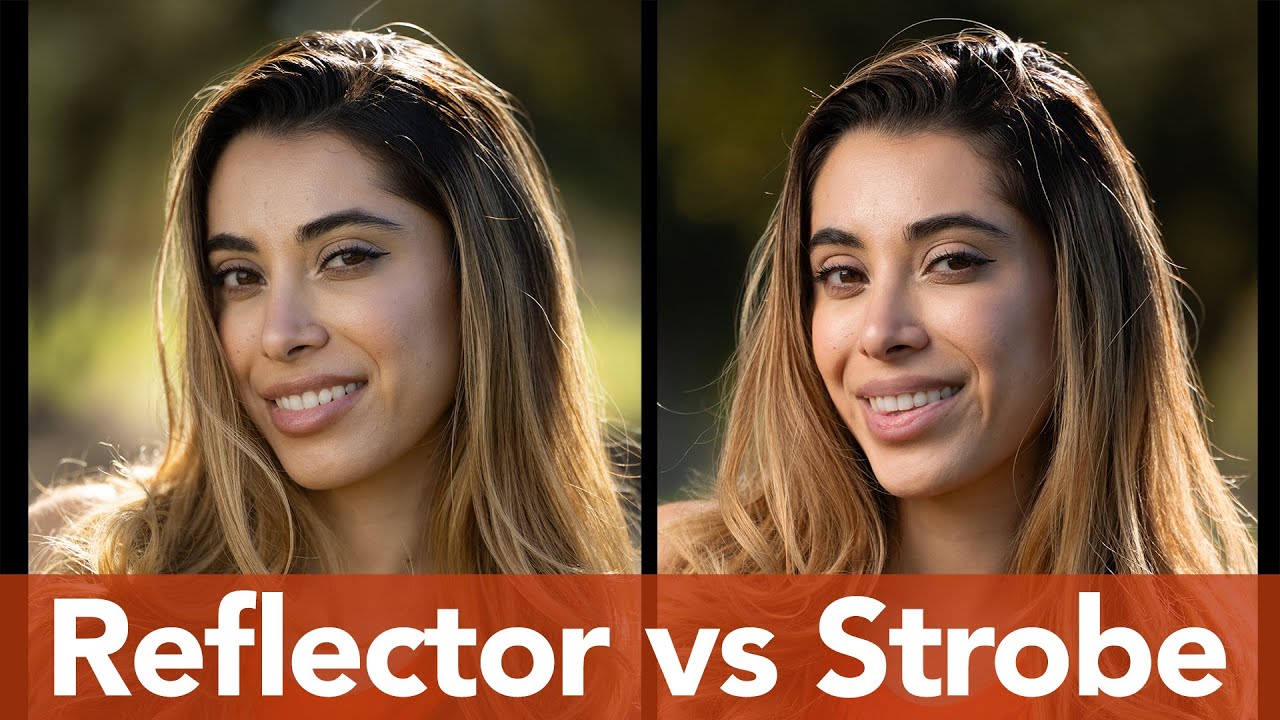
Reflector vs. Strobe for Outdoor Portraits: What a $26 Piece of Fabric Actually Teaches You About Light

Reflector vs. Strobe for Outdoor Portraits: What a $26 Piece of Fabric Actually Teaches You About Light

Every few months I end up in the same conversation with a newer photographer who’s convinced they need a full strobe kit before they can shoot anything worth showing a client. I used to think the same thing. Then I started keeping a lighting journal, sketching every setup from every shoot, and I noticed something embarrassing: some of my cleanest portrait light came from sessions where I had almost nothing with me.

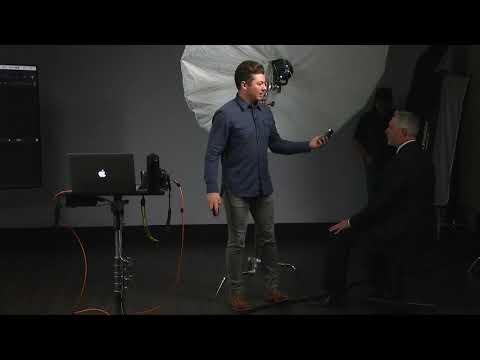
One Light, One Umbrella, Zero Excuses: Breaking Down a Pro Studio Lighting Setup

One Light, One Umbrella, Zero Excuses: Breaking Down a Pro Studio Lighting Setup

Every corporate headshot season, I watch photographers overcomplicate what should be a straightforward problem. They stack modifiers, add fill cards, chase catchlights with a second strobe, and end up with a lighting rig that takes forty minutes to build and still produces flat, unflattering results. The truth is that one well-placed light and the right modifier will outperform a four-light setup built without intention every single time. In this CreativeLive tutorial on basic studio lighting setups, the instructor walks through exactly that philosophy using a corporate subject in a suit, which is as real-world a scenario as studio photography gets.

How to Read a Location for Light Before You Shoot a Single Frame

How to Read a Location for Light Before You Shoot a Single Frame

Every location shoot I walk into, I do the same thing before I touch a single piece of gear. I stop at the door and I look for the light that’s already there. Not the light I brought. The light that exists. Most photographers I know do the opposite. They walk in with a plan built in the parking lot and spend the next hour trying to force that plan onto a space that doesn’t want it.