Two Lights, One Giant Ship: What This Night Shoot Teaches About Lighting Any Large Space

Two Lights, One Giant Ship: What This Night Shoot Teaches About Lighting Any Large Space

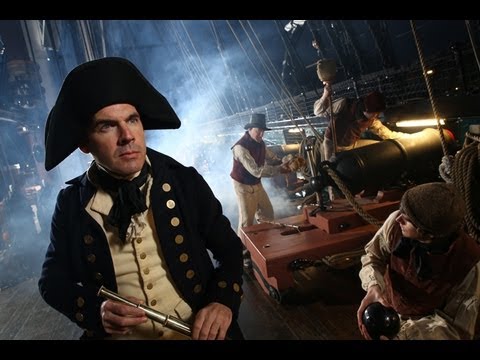
I keep a lighting journal. Every shoot gets a sketch - light positions, modifiers, power settings, distance from subject. It started as a habit and turned into about a dozen notebooks. I bring this up because the setups that fill the most pages are not the ones shot in controlled studio environments. They are the ones shot in large, dark, unpredictable spaces where ambient light is working against you and you have to manufacture every meaningful highlight yourself.
Two Lights, One Groom: A Location Flash Setup That Actually Works

Two Lights, One Groom: A Location Flash Setup That Actually Works

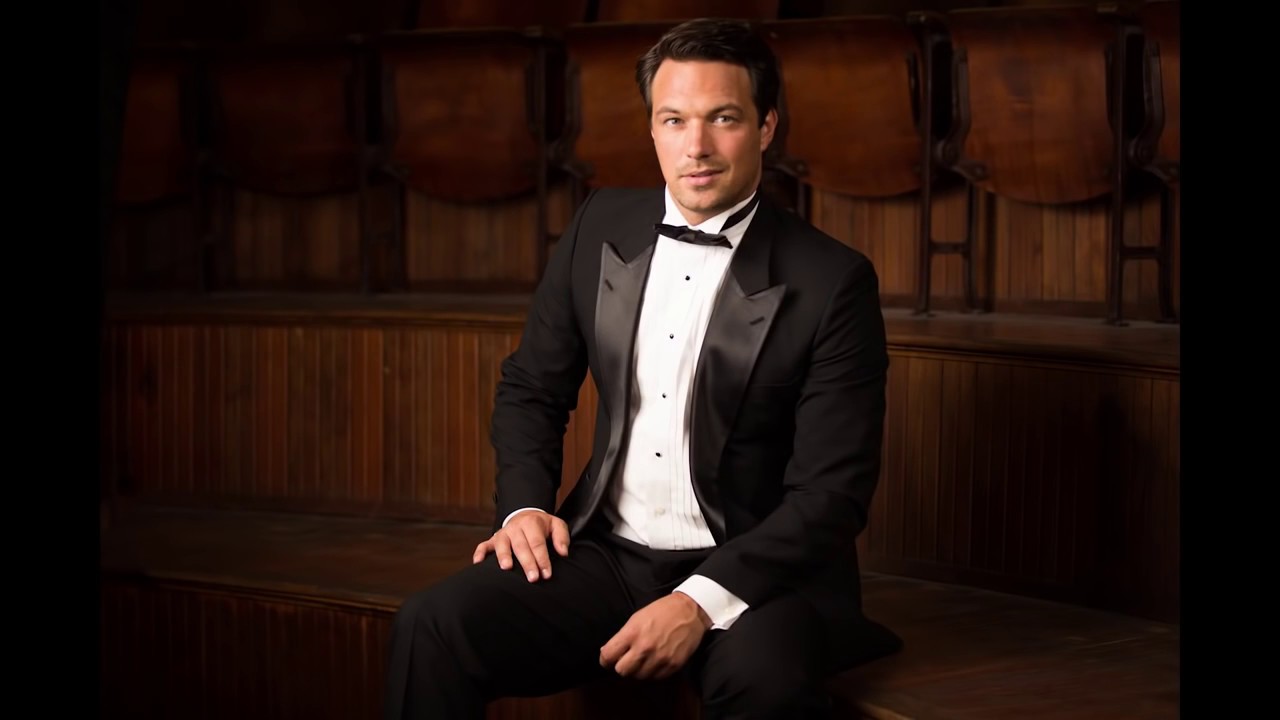
Wedding formals have a reputation for being the part of the day where photographers go through the motions. Lined up, lit flat, done. I’ve been guilty of it myself, especially on location where you’re fighting unfamiliar rooms, low ambient light, and a groom who’d rather be anywhere else. The challenge isn’t the flash, it’s building a setup quickly that still looks intentional. When I came across this KelbyOne tutorial on lighting a groom on location with flash, I recognized a working shooter’s approach immediately.

What a $10,000 Studio Makeover Winner Teaches Us About Photographing with Purpose

What a $10,000 Studio Makeover Winner Teaches Us About Photographing with Purpose

There’s a version of studio photography that’s entirely about gear lists and modifier specs. I’ve lived in that version for years. I know the watt-second ratings on every strobe in my kit. I label every light with masking tape so I can rebuild a setup from a sketch in under four minutes. But sometimes a tutorial comes along that isn’t really about the technical side at all, and it lands harder than any lighting breakdown I’ve read this year.

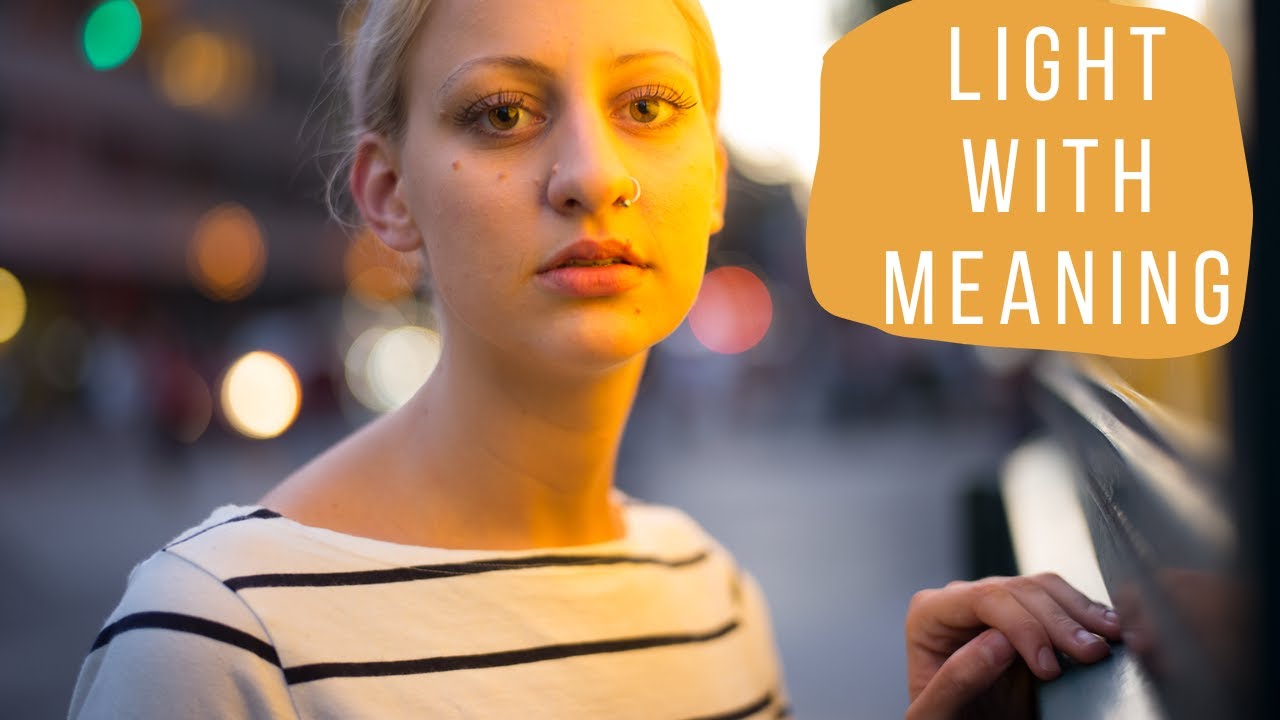
Beautiful Light vs. Light With Feeling: How to Build Mood-Driven Studio Portraits

Beautiful Light vs. Light With Feeling: How to Build Mood-Driven Studio Portraits

There’s a gap I see constantly in studio work, including my own early work, between technically correct light and light that actually means something. For years I defaulted to the big softbox close to the subject, fill card on the shadow side, maybe a hair light if the client wanted polish. The results were clean, flattering, and completely interchangeable with a thousand other photographers’ work. I’d go into Lightroom afterward and pile on color grading trying to rescue some personality from images that had none baked in from the start.

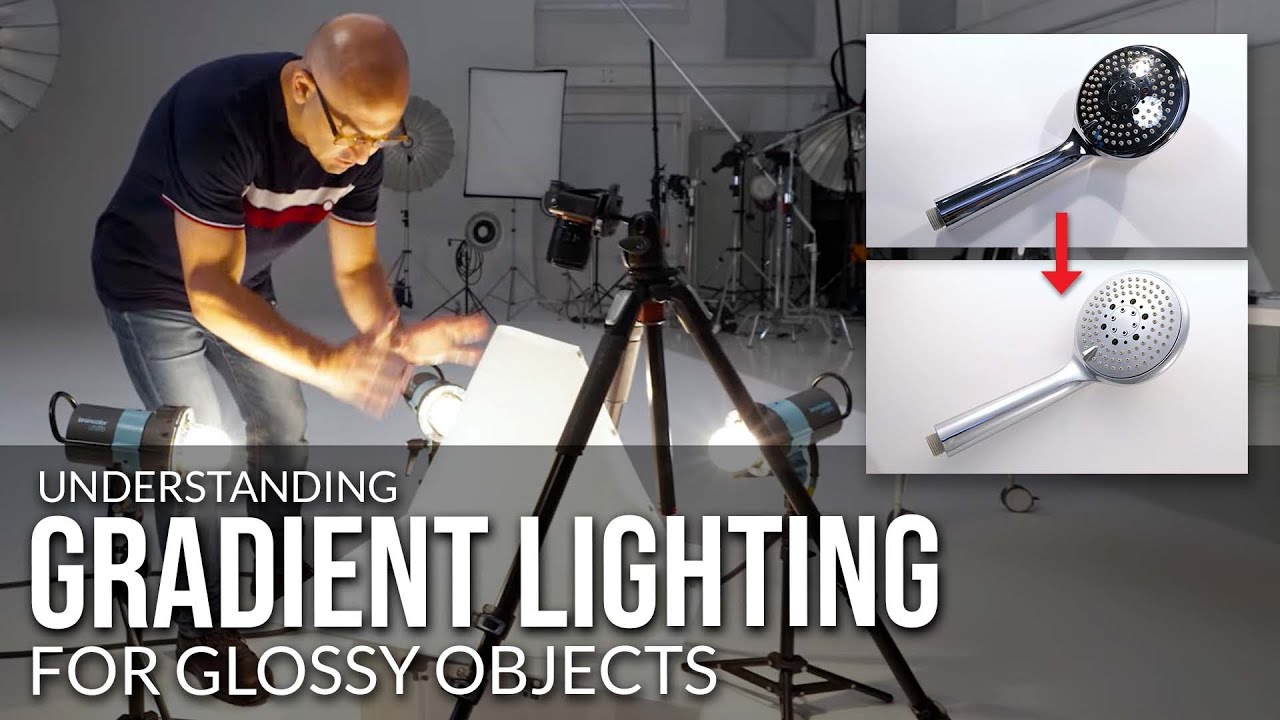
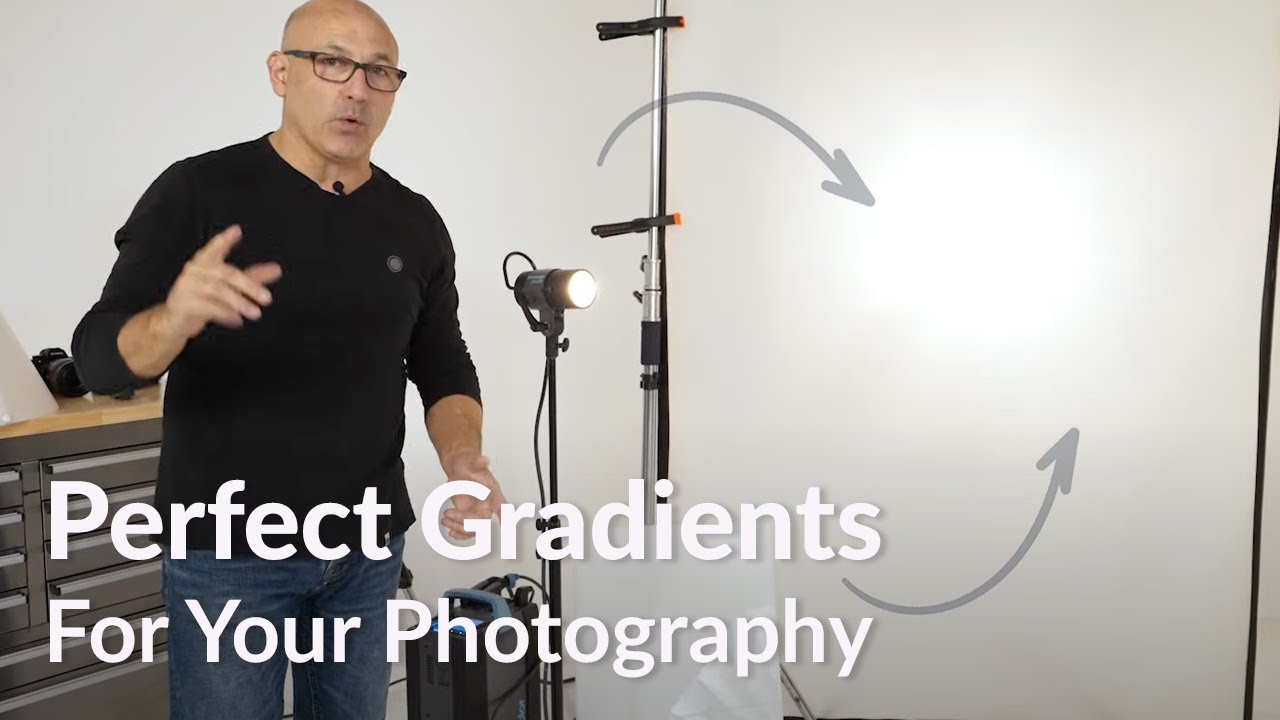
Why Your Glossy Product Shots Look Terrible (And How Gradient Lighting Fixes It)

Why Your Glossy Product Shots Look Terrible (And How Gradient Lighting Fixes It)

Every product photographer has a drawer of shame. Mine has a set of contact sheets from an early commercial shoot - a chrome espresso machine, lit beautifully by every standard I knew at the time, and completely ruined by harsh reflections, dark patches, and a softbox stripe that cut across the body of the product like a fault line. I knew the exposure was right. I knew the composition was solid.

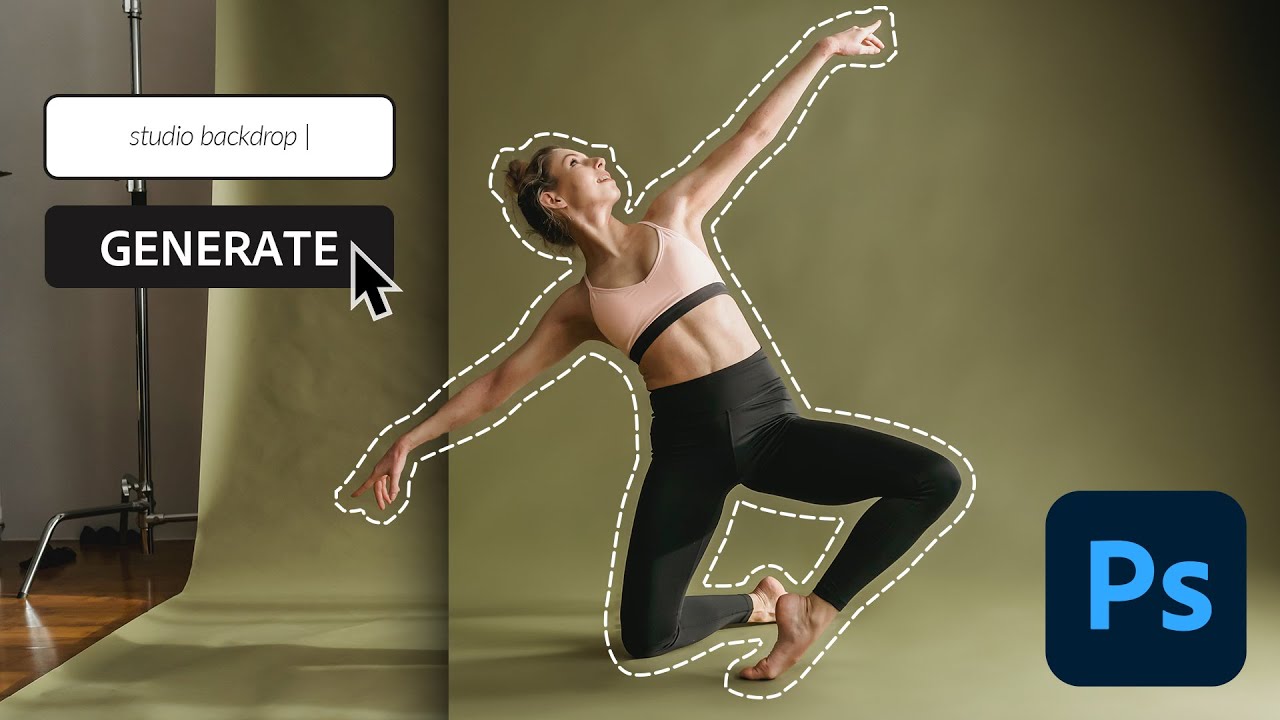
How I Use Photoshop's Generative Fill to Rescue Wrinkled and Blown-Out Studio Backgrounds

How I Use Photoshop's Generative Fill to Rescue Wrinkled and Blown-Out Studio Backgrounds

Every studio photographer I know has a folder of otherwise great shots that got killed by the background. A wrinkled sweep, a muslin with a crease right behind the subject’s shoulder, a seamless paper that got scuffed during a wardrobe change. I’ve had entire selects from editorial jobs where I spent more time cloning background imperfections than I did on the actual retouching. It’s one of those invisible taxes on studio work that nobody talks about when they’re showing off their beautiful setups on Instagram.

Choosing the Right Softbox for the Job: A Practical Studio Lighting Breakdown

Choosing the Right Softbox for the Job: A Practical Studio Lighting Breakdown

Every softbox decision I make on a commercial shoot comes down to one question: what do I want the shadows to do? Not where do I want the light to come from, but what should happen on the dark side of the face, the shoulder, the background. That single reframe changed how I shop for modifiers, how I label them on my studio shelves, and how I plan setups before a single strobe fires.

The Gradient Glow: How Diffusion Material Solves the Glossy Product Problem

The Gradient Glow: How Diffusion Material Solves the Glossy Product Problem

There is a specific kind of failure mode that haunts product photographers, and I say this from experience: you set up a perfectly good softbox, you fire the strobe, and the reflection staring back at you from that lipstick tube or watch case looks like a fluorescent office ceiling. Flat, rectangular, utterly charmless. The surface of a glossy product does not behave like skin or fabric. It behaves like a mirror, and a mirror shows you exactly what you pointed at it.

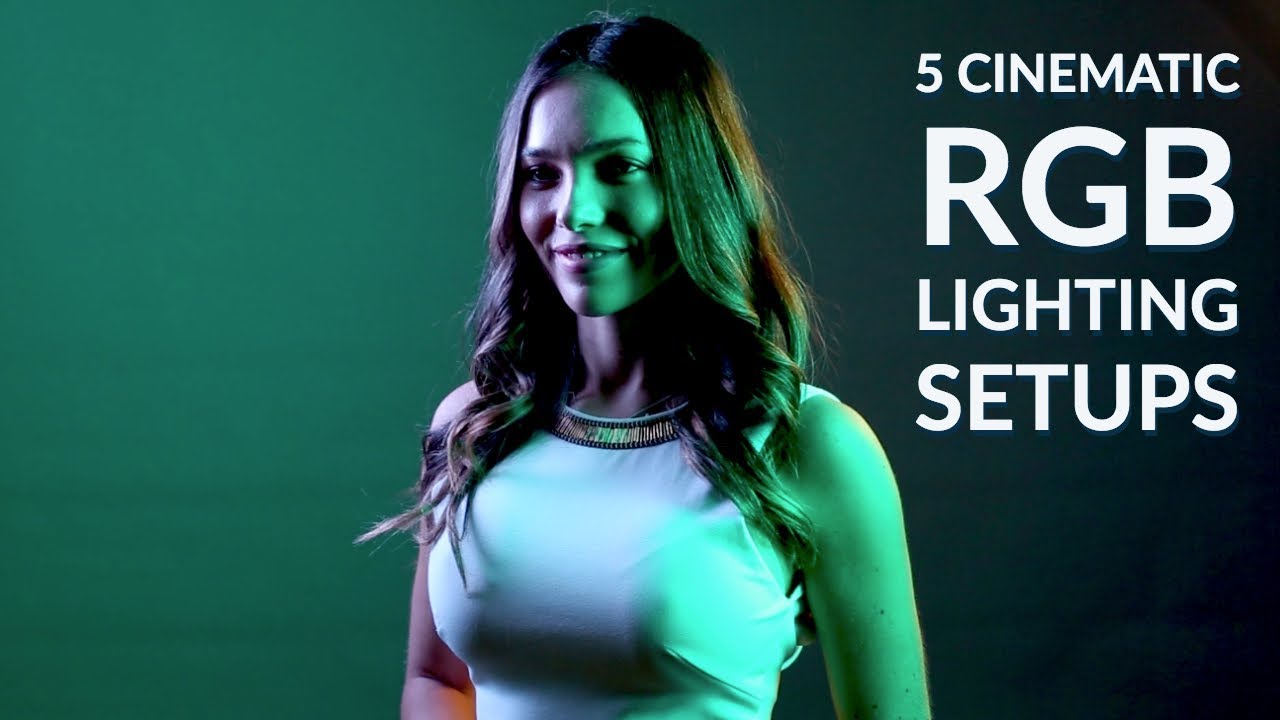
5 Cinematic RGB Lighting Setups You Can Build Today (And the Color Science Behind Them)

5 Cinematic RGB Lighting Setups You Can Build Today (And the Color Science Behind Them)

There’s a problem I run into on nearly every fashion or beauty shoot where the client wants “something moody, something cinematic” but the brief stops there. They want deep, saturated color. They want the frame to feel like a still from a film. And for years, that meant packing an entire pelican case full of gels, clipping them to lights in the dark, and hoping the color read the way I imagined it would.

Inside the Factory: What Pro Lighting Gels Are Actually Made Of (And Why It Changes How I Use Them)

Inside the Factory: What Pro Lighting Gels Are Actually Made Of (And Why It Changes How I Use Them)

Color has burned me before. Early in my commercial career, I walked into an editorial shoot confident in my gel choices, only to realize halfway through the day that the reds I was using were shifting warm under heat from the fixture. The prints came back muddy. The client was patient, but I was not. That experience sent me down a rabbit hole of understanding not just how gels behave, but how they are actually built.

How to Light a Time-Lapse Scene That Actually Tells a Story

How to Light a Time-Lapse Scene That Actually Tells a Story

Time-lapse photography sits in an unusual corner of my practice. I shoot primarily commercial and editorial work, and for years I treated time-lapse as a novelty - something interesting to watch but hard to justify billing a client for. What changed my thinking was seeing someone treat it not as a technical stunt but as a narrative tool, a way to move through a scene with intention rather than just compressing time.

Shine, Specular Highlights, and When You Actually Need a Makeup Artist

Shine, Specular Highlights, and When You Actually Need a Makeup Artist

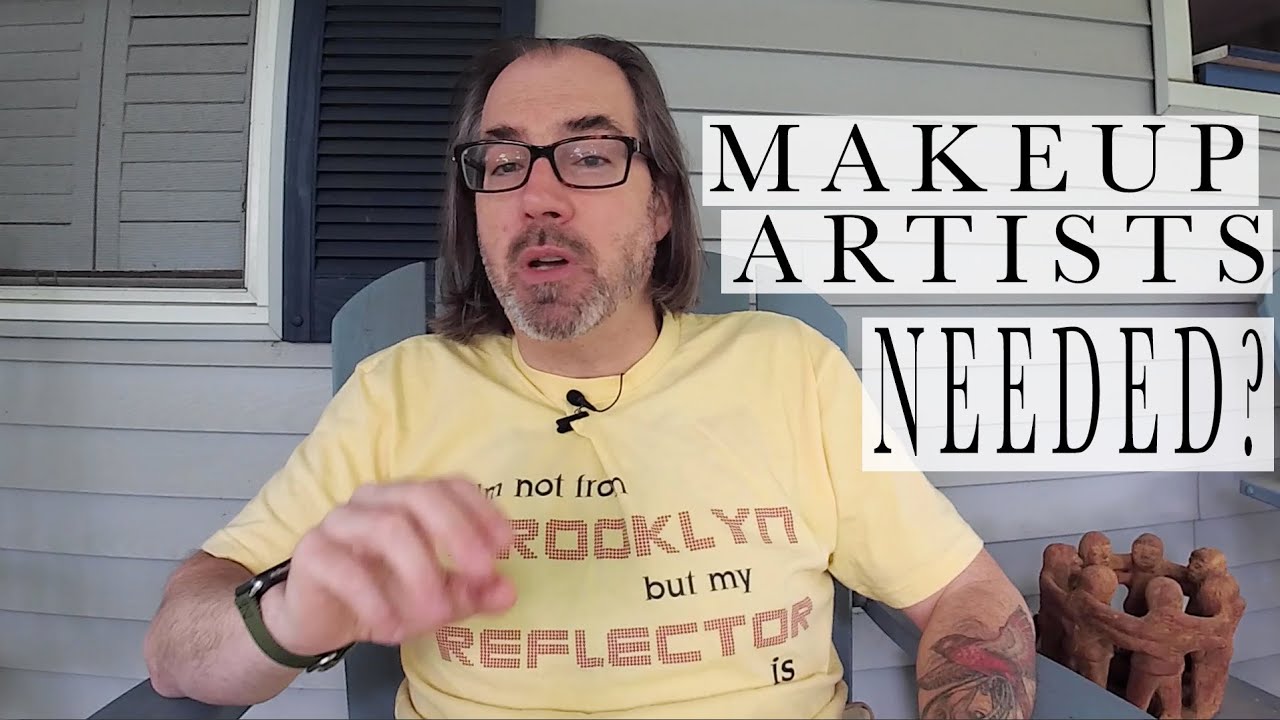
Shiny skin shows up in my work more often than I’d like to admit. Not because I don’t know how to handle it, but because clients arrive under fluorescent office lighting, sit down under a beauty dish, and suddenly every pore on their forehead is a tiny mirror pointed directly at my camera. Early in my career I would have reached for powder immediately, or worse, just planned to fix it in post.