What Anne Geddes's Studio Teaches Every Working Photographer About Trust, Team, and Baby Lighting

What Anne Geddes's Studio Teaches Every Working Photographer About Trust, Team, and Baby Lighting

There’s a question I get at workshops almost every time: “How do you handle unpredictable subjects?” Usually the person asking is talking about a difficult client or a fidgety model. But the hardest version of that problem is photographing infants, where you have zero verbal communication, a narrow window of cooperation, and something genuinely precious at stake. I’ve shot enough commercial work to know that the gap between a controlled adult portrait session and a session with a six-month-old is not a gap, it’s a canyon.

How to Light a Boudoir Scene With Depth, Glow, and Edge: A Four-Light Breakdown

How to Light a Boudoir Scene With Depth, Glow, and Edge: A Four-Light Breakdown

Boudoir is one of those genres that punishes lazy lighting more than almost anything else. The intimacy of the subject demands that every light feel intentional, warm, and placed with care. Too flat and the image reads like a passport photo. Too dramatic and you lose the mood entirely. For years I kept a tear-out from a European fashion magazine pinned above my lighting kit because I could not figure out how the photographer had layered background light against skin light so seamlessly.

Breaking Down a 4-Light Model Headshot Setup (And the Blue Gel Detail Most Photographers Miss)

Breaking Down a 4-Light Model Headshot Setup (And the Blue Gel Detail Most Photographers Miss)

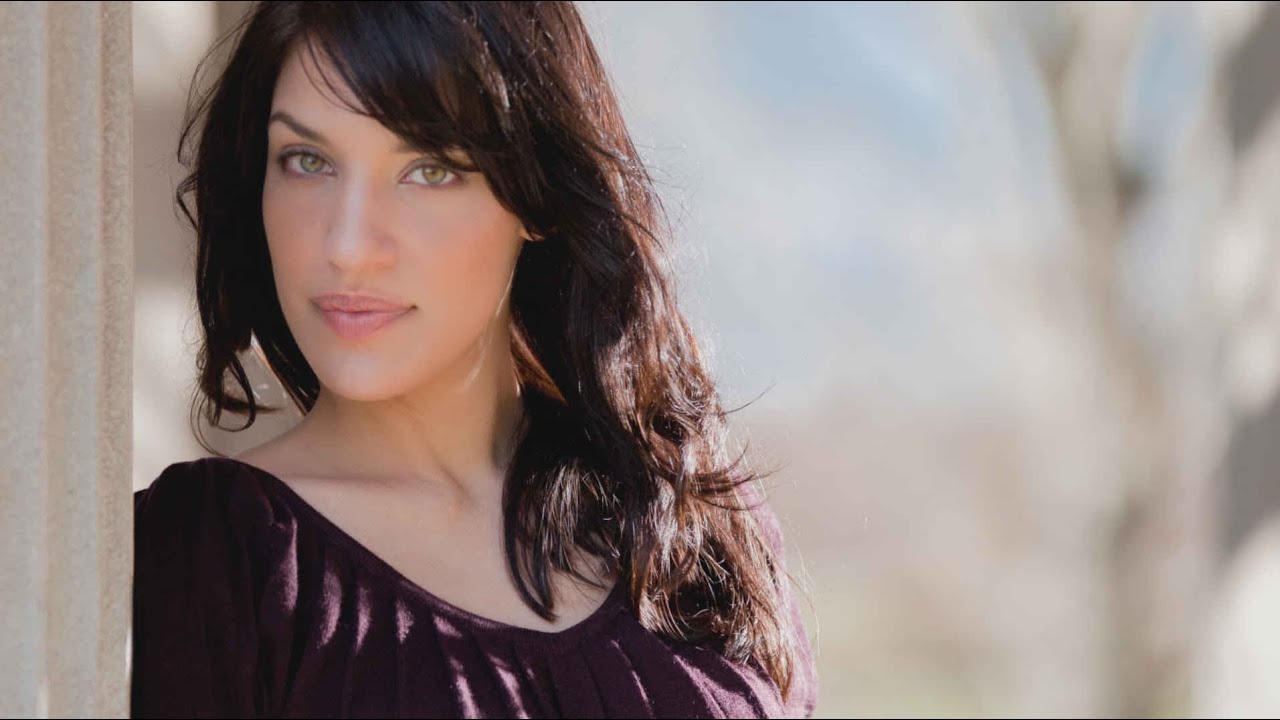
Every few months I come across a tutorial that makes me pause and actually sketch something into my lighting journal. Most videos rehash the same three-light setups I could draw from memory. This one stopped me. Watch the full tutorial on YouTube before or after you read this, because the image of model Alex Kelly that opens it is worth studying on its own. In this Visual Education tutorial, photographer Carl walks through a headshot setup he shot live, in front of an audience, which immediately tells you something about how confident he is in this particular configuration.

Speedlights in the Studio: What I Wish Someone Had Told Me Before My First Portable Flash Shoot

Speedlights in the Studio: What I Wish Someone Had Told Me Before My First Portable Flash Shoot

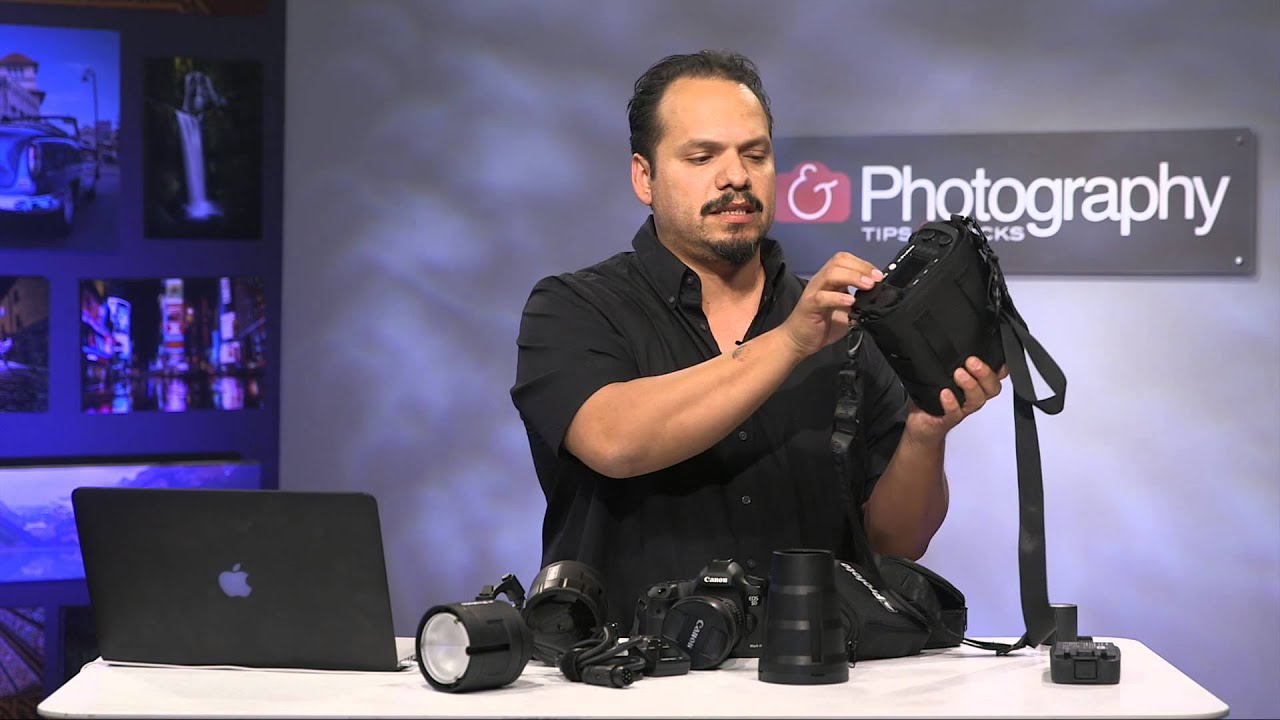
Every working photographer I know has a box of speedlights sitting in a closet somewhere. They bought them early on, used them for events or fill flash, then graduated to strobes and never looked back. I did the same thing. For years I treated my speedlights as backup gear, the kind of thing you grab when a power outlet isn’t available or a client wants something “run and gun.” It took me an embarrassingly long time to understand that with the right approach, those little units can produce images that hold up against full studio setups.

Light, Style, Story: What a Pro Food Photography Course Taught Me About Shooting with Intent

Light, Style, Story: What a Pro Food Photography Course Taught Me About Shooting with Intent

Food photography has always sat at the edge of my comfort zone. I shoot fashion, beauty, corporate headshots — controlled environments where I know exactly how light behaves on a face or a fabric. But food is different. It moves, it wilts, it reflects in ways you don’t expect, and it carries an emotional weight that pure product work doesn’t. When a plate of food looks right in a photograph, you feel it before you understand it.

How to Fake a Blazing Sun with a Single Strobe (And Why It Works Better Than the Real Thing)

How to Fake a Blazing Sun with a Single Strobe (And Why It Works Better Than the Real Thing)

There’s a particular kind of location shoot that exposes every gap in your lighting toolkit: hard midday sun, a background you can’t move, and subjects whose faces you need to control precisely. I’ve been in that situation more times than I’d like to admit, usually squinting at my laptop screen trying to figure out why the ambient exposure looks nothing like what I wanted when I planned the shot at 8am.

The Octabox 150: A Working Photographer's Case for the Most Useful Modifier in the Studio

The Octabox 150: A Working Photographer's Case for the Most Useful Modifier in the Studio

I have a masking tape label on almost every piece of gear in my studio. The octabox 150 gets its own label, but it also gets a permanent spot on the stand closest to my shooting position. That’s how often it goes up. When clients book a beauty or fashion job, this modifier is almost always my first pull. It’s large enough to wrap light around a face, forgiving enough for a moving subject, and controllable enough that I’m not fighting spill all day.

Small Studio, Pro Results: 6 Lighting Principles That Actually Hold Up

Small Studio, Pro Results: 6 Lighting Principles That Actually Hold Up

I shoot a fair amount of my commercial work in rental studios, and some of those spaces are genuinely cramped. We’re talking eight feet of usable width after you account for the background stand, the subject, and wherever I’m standing with a camera. For years I assumed tight spaces were just a limitation to route around. Then I started paying closer attention to the physics of what was actually happening with my light, and the problem became a lot more manageable.

How Peter McKinnon Organizes a Working Studio (And What It Taught Me About My Own)

How Peter McKinnon Organizes a Working Studio (And What It Taught Me About My Own)

Every few years I tear my studio apart and rebuild it from scratch. Not because something broke, but because the friction adds up. I spend four minutes hunting for a specific cable. I skip a modifier because it’s buried behind two light stands. I find myself standing in the middle of the room deciding where to put something instead of actually shooting. The space stops serving the work and starts fighting it.

Clamshell Lighting Made Simple: How to Build a Flattering Portrait Setup with Continuous Lights

Clamshell Lighting Made Simple: How to Build a Flattering Portrait Setup with Continuous Lights

Most of the lighting problems I see photographers struggle with in the studio come down to one thing: overcomplicating the setup before they understand what a single, well-placed light actually does. I’ve been guilty of this myself. Early in my career I’d show up to a beauty shoot with four lights rigged before my subject even walked in, and half of them were fighting each other. The sessions that taught me the most were the stripped-down ones, the ones where I was forced to work with less and pay attention to what the light was actually doing to the face in front of me.

What a 34-Year Pro's Garage Studio Taught Me About Running a Real Portrait Business

What a 34-Year Pro's Garage Studio Taught Me About Running a Real Portrait Business

There’s a version of “studio goals” that lives on Instagram and costs about $40,000 to build. Concrete floors with custom epoxy. Seamless white walls. A prop room that looks like a Brooklyn loft. I’ve been in those studios. Some of them produce incredible work. A lot of them are monuments to overhead. So when I came across this studio tour from The Portrait System featuring Paul Gero, I kept watching because what he’s built is the opposite of that, and it’s clearly working.

Stop Trusting Catch Lights: How to Actually Read a Portrait Lighting Setup

Stop Trusting Catch Lights: How to Actually Read a Portrait Lighting Setup

Every working photographer I know has done it. You pull up a portrait you admire, zoom straight into the eyes, squint at the catch light, and try to reconstruct the entire setup from that one bright speck. I’ve done it myself. I still have a torn magazine page in my lighting journal from years back where I traced the catch light in an Annie Leibovitz portrait and tried to map it into a diagram.