The Three-Variable Formula for Balancing Strobe and Ambient Light (And Why Most Photographers Get the Order Wrong)

The Three-Variable Formula for Balancing Strobe and Ambient Light (And Why Most Photographers Get the Order Wrong)

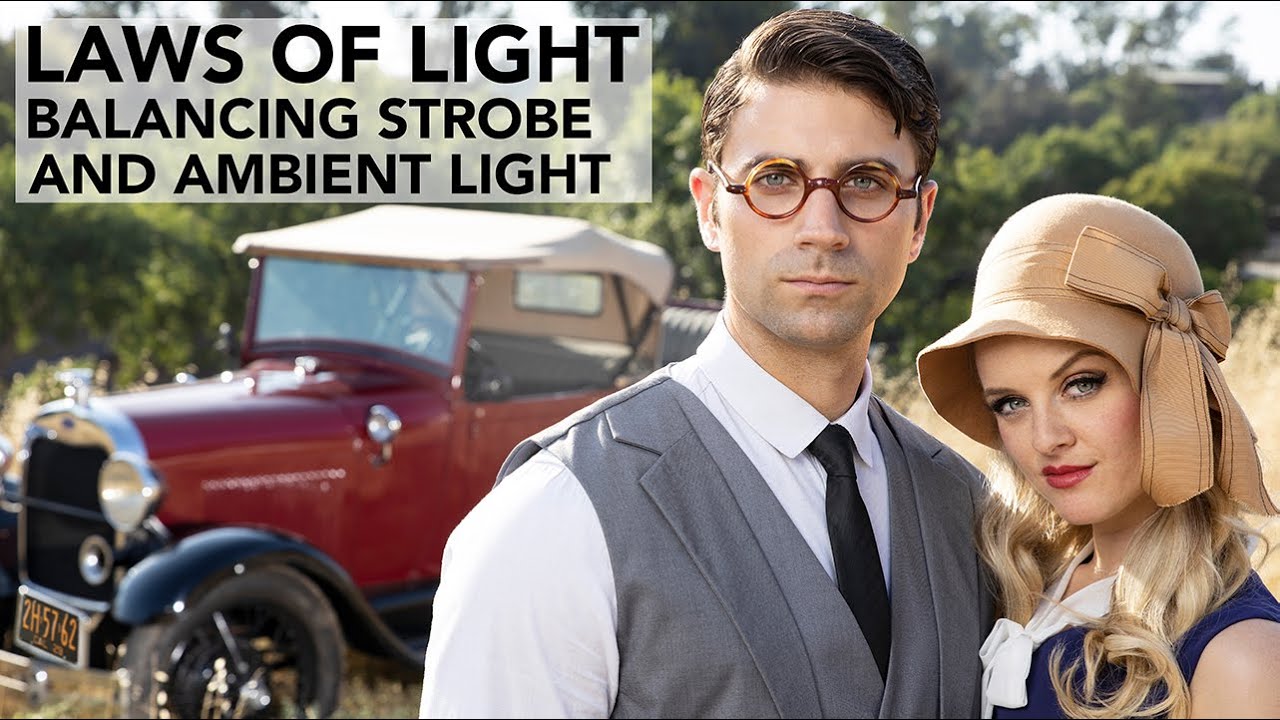
Every commercial shooter eventually faces the same problem: you have a subject who needs clean, controlled light, and a background that needs to look like the world they actually live in. Studio strobes give you the former. Ambient light gives you the latter. Getting both in the same frame without one wrecking the other is a skill that took me longer to learn than I’d like to admit. My early editorial work was littered with shots where the subject looked beautifully lit and the background looked like a blackout curtain.
One Light Is a Starting Point. Here's How Two More Turn It Into a Real Portrait.

One Light Is a Starting Point. Here's How Two More Turn It Into a Real Portrait.

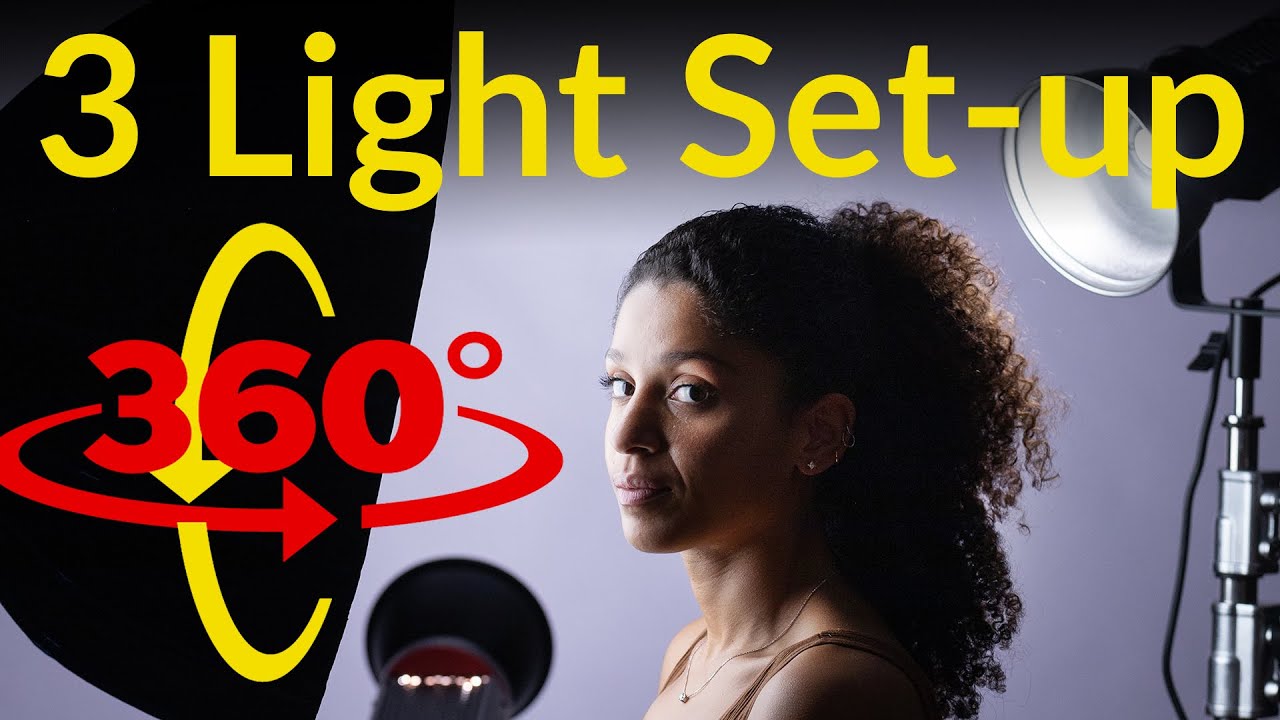
Every working portrait photographer eventually runs into the same problem: a technically correct key light that produces a flat, airless image. The subject is lit. The exposure is right. And the photo looks like a DMV headshot. What’s missing isn’t more light, it’s separation, depth, and the kind of shadow structure that makes a face look three-dimensional on a two-dimensional surface. That’s the problem this tutorial addresses directly. In this The Slanted Lens tutorial, photographer Jay P.

Black on Black, Edge to Edge: What Broncolor's Still Life Tutorial Taught Me About Precise Light Control

Black on Black, Edge to Edge: What Broncolor's Still Life Tutorial Taught Me About Precise Light Control

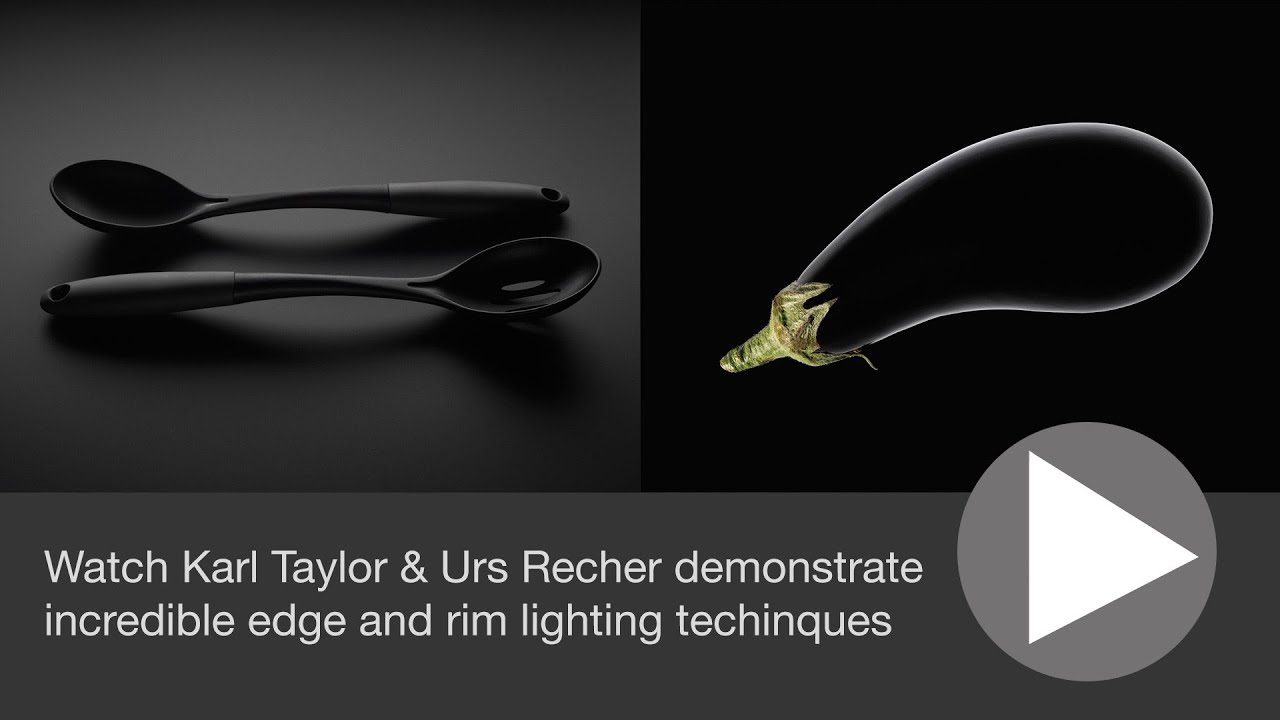
Still life work punishes sloppy lighting faster than almost any other discipline. There’s no subject to charm the camera, no personality to carry a mediocre frame. It’s just the object, the surface, and whatever light you decided to put where. I’ve shot enough product work for beauty brands to know that the shots people remember are almost always built on one or two precise light sources doing exactly what they were placed to do, not six lights fighting each other into a flat, gray mush.

Flash Power and Aperture Are the Same Dial: Here's How to Read Them Together

Flash Power and Aperture Are the Same Dial: Here's How to Read Them Together

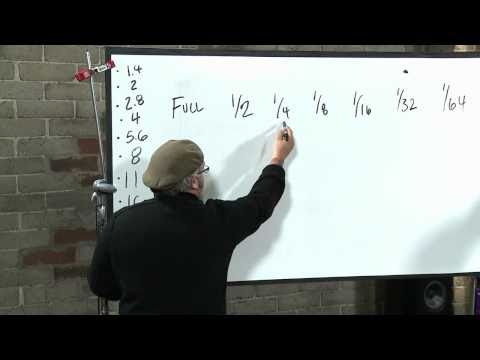
Early in my career, I treated flash power and aperture as two separate problems. I’d fire a test shot, decide it was too bright, randomly close down my aperture, fire again, still wrong, then start fiddling with the flash power. No logic to it. Just guessing with expensive equipment. It wasn’t until I really internalized the stop-based relationship between those two controls that my exposure work became something I could actually reason through instead of stumble toward.

C-Stands, Boom Arms, and Grip Hardware: The Studio Infrastructure Most Photographers Underestimate

C-Stands, Boom Arms, and Grip Hardware: The Studio Infrastructure Most Photographers Underestimate

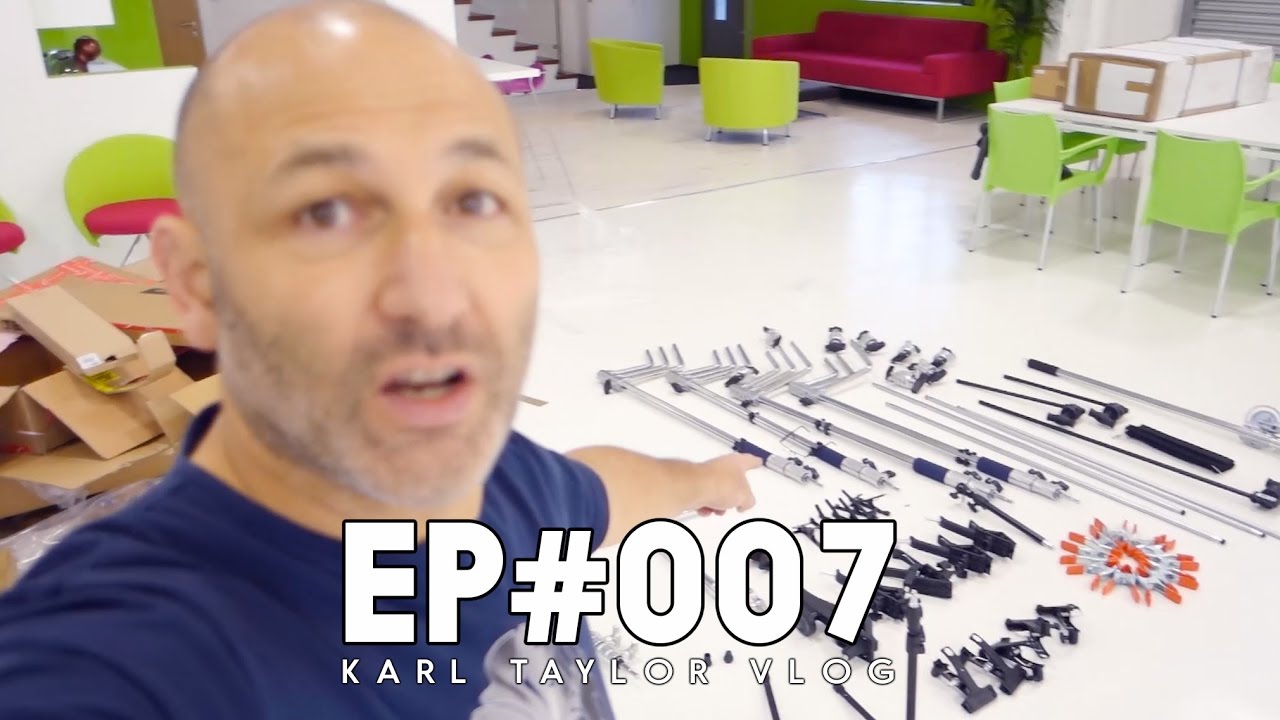
There is a category of studio purchase that never feels exciting but quietly determines whether a shoot runs smoothly or falls apart. It is not a new strobe. It is not a beauty dish. It is the grip hardware — the stands, arms, clamps, and poles that position everything else. I have lost count of the number of times I have had to improvise on set because I ran short on c-stands or because I did not have the right clamp to flag a light.

Godox AD600 Series: A Working Photographer's Guide to Setup, Groups, and Triggers

Godox AD600 Series: A Working Photographer's Guide to Setup, Groups, and Triggers

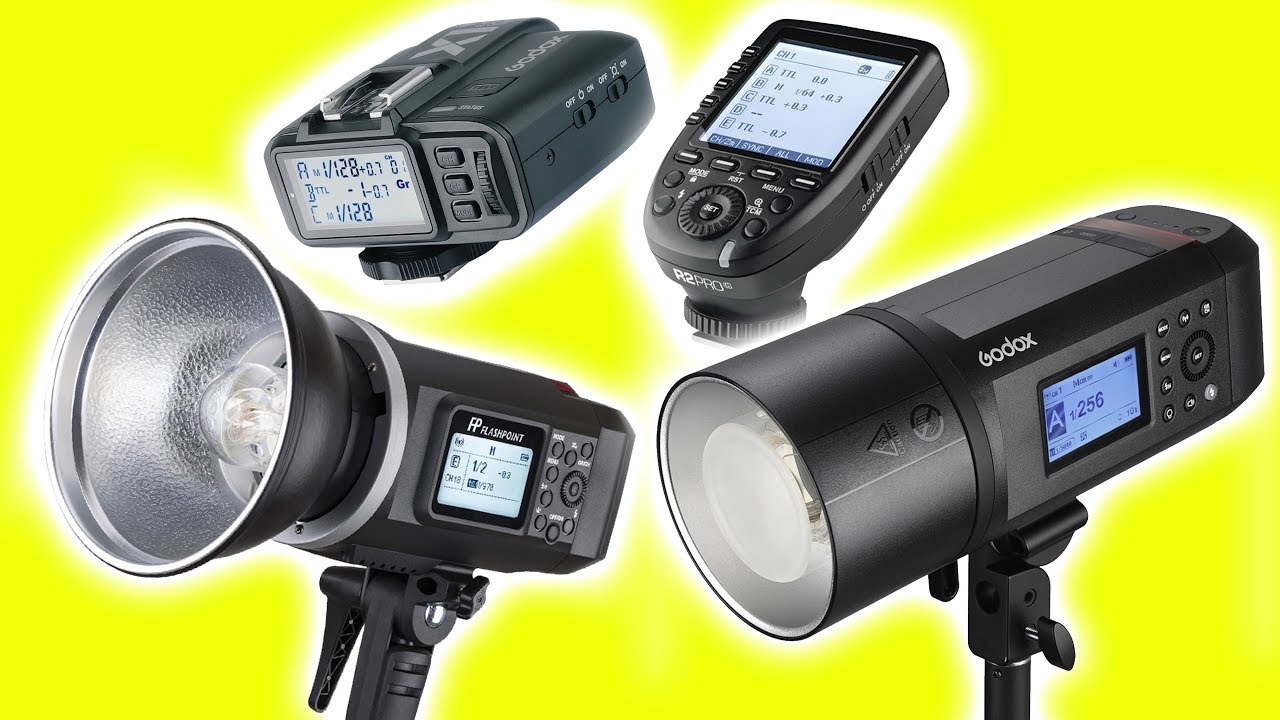
Every piece of gear I add to my kit gets tested the day it arrives. That is just how I work. So when I first unpacked the Godox AD600B, I did what I always do: I taped a label on it, plugged it in, and started poking around the menus. What I found was a system that rewards the photographer who takes twenty minutes to actually learn the controls rather than just pointing it at a subject and hoping the defaults hold up.

Strobe Recycle Rates Are Killing Your Shots (And You Might Not Even Know It)

Strobe Recycle Rates Are Killing Your Shots (And You Might Not Even Know It)

There’s a specific kind of frustration that doesn’t show up until you’re mid-shoot and the moment you needed is already gone. You fire, the light didn’t recycle, and the frame that comes back is either dark or flat. You assume you missed the pose. You ask your subject to reset. You try again. But the real problem isn’t the pose — it’s that your strobe couldn’t keep up with you. I’ve watched this happen to photographers who are technically solid, compositionally sharp, and still walking away from shoots with nothing usable because their gear had a ceiling they didn’t know about.

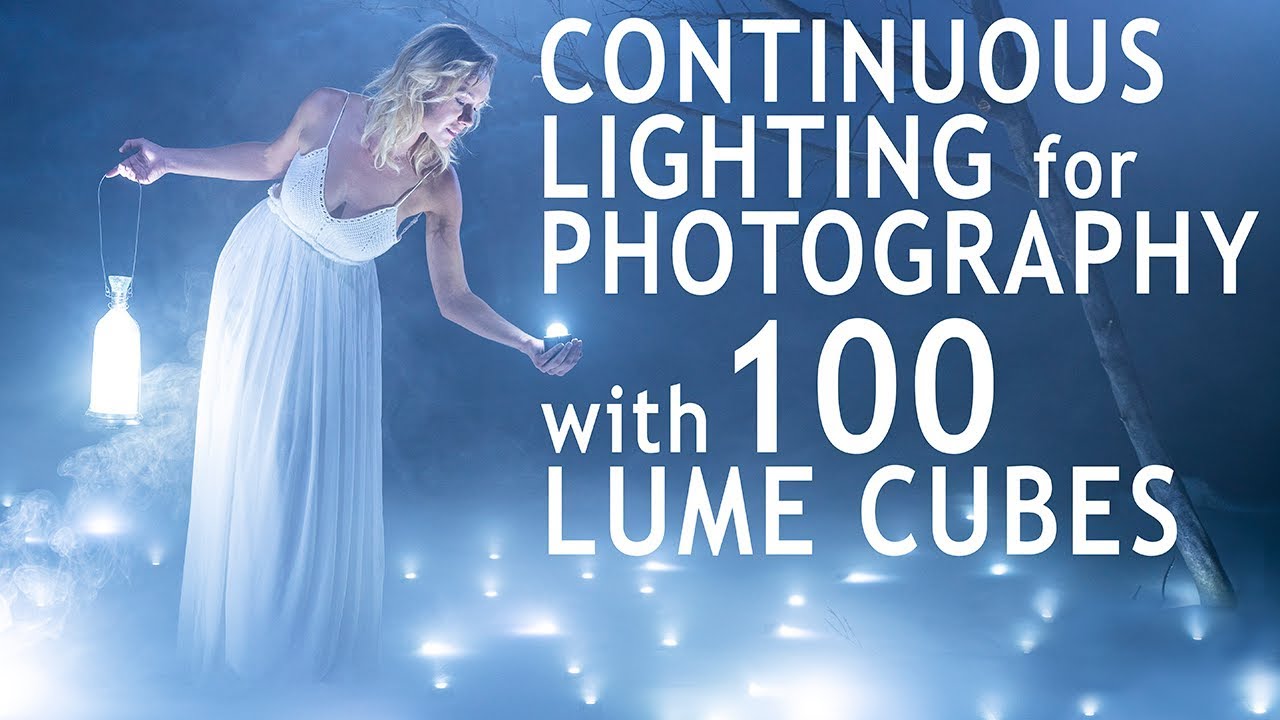
How to Light a Large-Scale Studio Set with Continuous LEDs (And Why the Ratios Matter More Than the Gear)

How to Light a Large-Scale Studio Set with Continuous LEDs (And Why the Ratios Matter More Than the Gear)

I keep a lighting journal. Every setup I shoot, I sketch it out afterward - key light position, modifier choice, distance, the ratio between key and rim. It started as a habit after I nearly tanked a fashion editorial early in my career by mixing daylight-balanced strobes with tungsten practicals and never checking my color temperature against the camera. The journal keeps me honest. So when I sat down with Watch the full tutorial on YouTube this tutorial from JP Morgan at The Slanted Lens, I had my phone out with my lighting diagram app open before he got to the first setup.

How to Actually Direct a Subject: Three Posing Techniques I Wish I'd Learned Earlier

How to Actually Direct a Subject: Three Posing Techniques I Wish I'd Learned Earlier

Posing is the part of studio work that separates photographers who produce technically correct images from photographers who produce compelling ones. I can dial in a perfect three-light setup, calibrate my color temperature, sketch the diagram in my lighting journal before the client walks through the door - and still blow a shoot if I can’t direct a subject with confidence. The technical side of this job I figured out through practice and repetition.

Grid Spots in the Field: How to Control Light Coverage and Kill Ugly Backgrounds

Grid Spots in the Field: How to Control Light Coverage and Kill Ugly Backgrounds

Every time I take a strobe outside, someone assumes the hard part is the exposure math. It isn’t. The hard part is containment. A soft box forgives you on location. A grid spot does not. It throws light exactly where you aim it, and nowhere else, which is either a superpower or a liability depending on whether you understand coverage angles before you fire a single frame. I’ve been keeping a lighting journal for years.

Two Hot Lights, One Compelling Portrait: What This Continuous Lighting Setup Actually Teaches You

Two Hot Lights, One Compelling Portrait: What This Continuous Lighting Setup Actually Teaches You

Continuous lighting used to be a compromise I made reluctantly. Strobes were precise, repeatable, and fast. Hot lights felt like a workaround for filmmakers who hadn’t fully committed to either medium. Then I started getting more hybrid jobs, clients who wanted a behind-the-scenes reel alongside the stills, and my entire attitude shifted. You can’t fire a strobe at 24 frames per second. Continuous light, once you understand how to manage it, stops being a limitation and starts being a genuinely elegant solution.

From Portrait Studio to Portrait Couture: What Sue Bryce's Glamour Workflow Taught Me About Shooting With Intent

From Portrait Studio to Portrait Couture: What Sue Bryce's Glamour Workflow Taught Me About Shooting With Intent

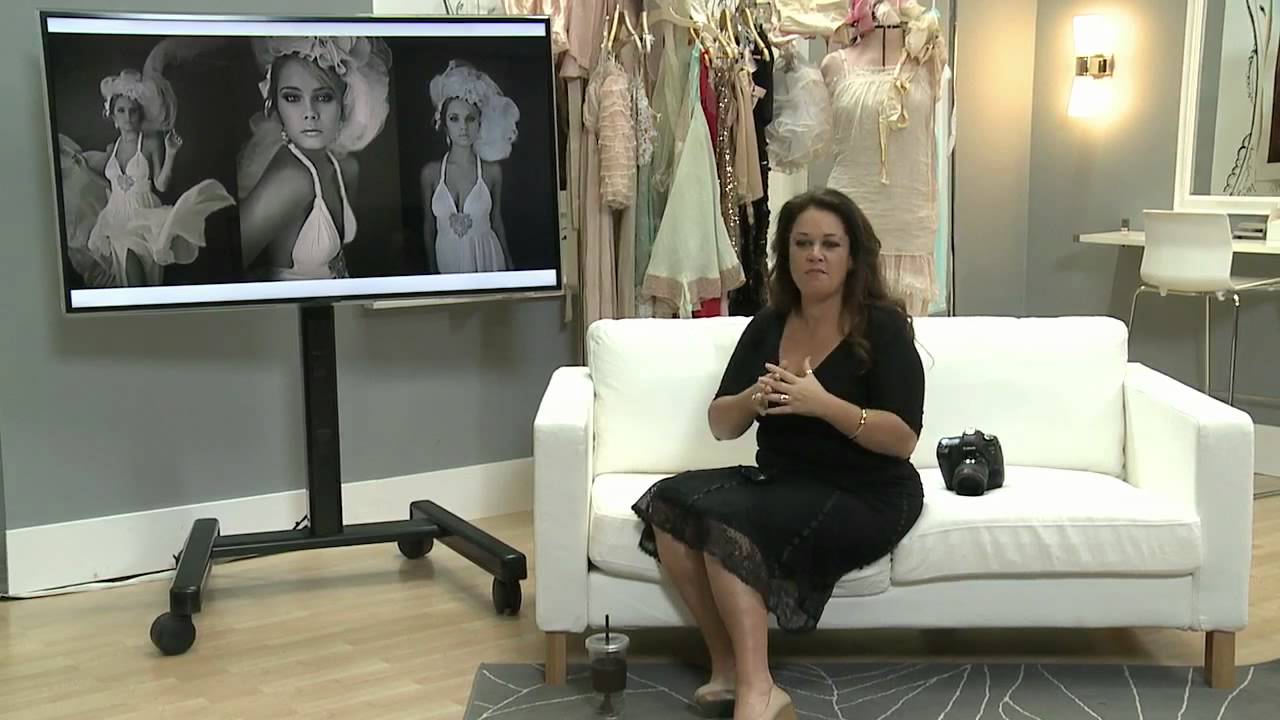
There’s a specific problem I keep running into with clients who book a “portrait session” and show up expecting something that looks more editorial than standard headshot. For years I tried to bridge that gap on the fly, adjusting in the room, improvising wardrobe choices, coaching poses I hadn’t planned. It worked sometimes. It also fell apart sometimes. What I was missing was a deliberate system for shifting the register of a shoot from documentary portrait to something more intentional and designed.