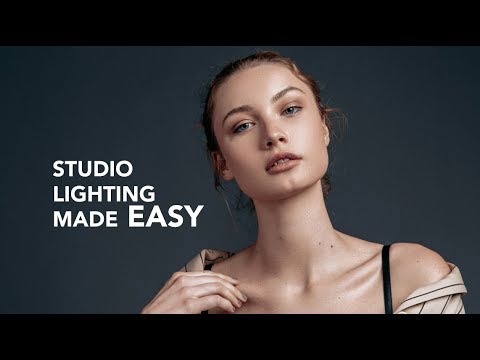
One Light, Two Lights, Three Lights: What Jessica Kobeissi's Studio Setup Tutorial Actually Teaches You

One Light, Two Lights, Three Lights: What Jessica Kobeissi's Studio Setup Tutorial Actually Teaches You

Most photographers overcomplicate their first studio setup. They buy three lights before they understand one, then wonder why their images still look flat. I did the same thing early in my career, and I’ve watched a lot of new photographers make that same expensive mistake. What I appreciate about this Jessica Kobeissi tutorial, shot with photographer Jake Thomas, is that it does the opposite: it builds from a single light outward, showing you what each additional source actually contributes before you spend a dollar on it.
Short Lighting Is My Default Dramatic Setup — Here's How to Build It Right

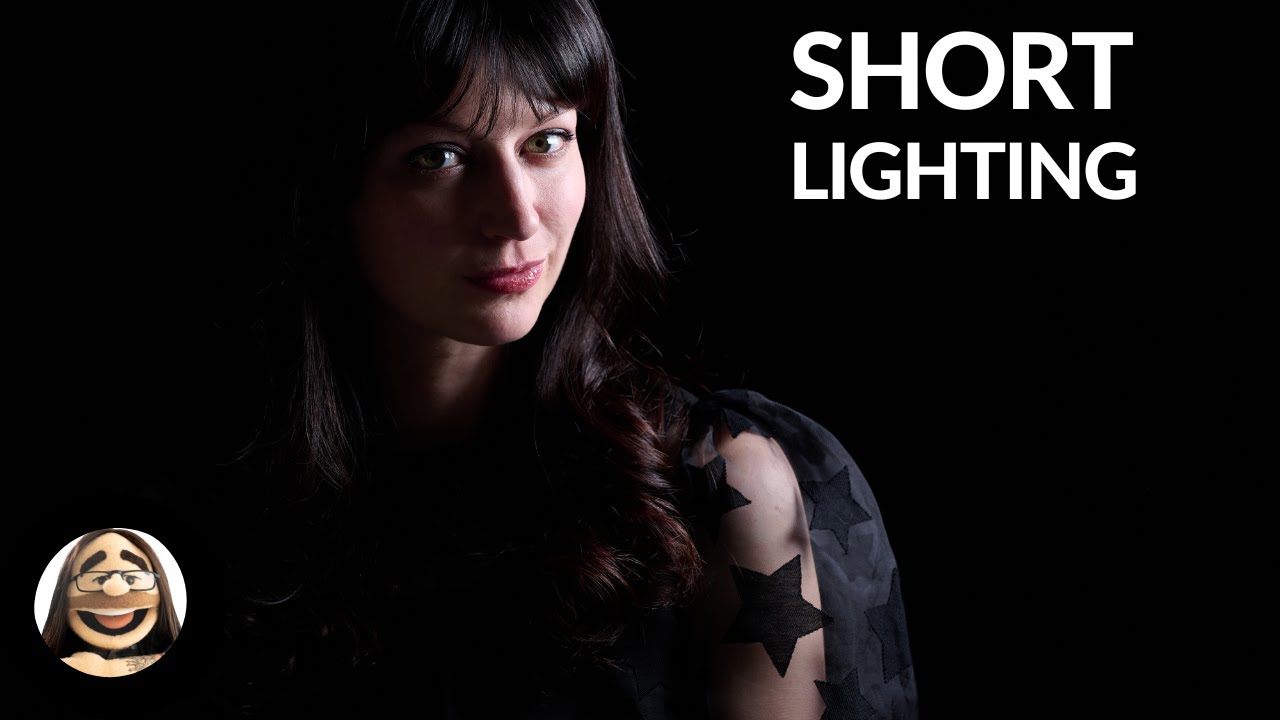
Short Lighting Is My Default Dramatic Setup — Here's How to Build It Right

There is a specific problem I run into about four times a year on editorial shoots: a client wants “moody and cinematic” but gives me a flat, white cyclorama and exactly zero set design budget. No texture, no shadow, no depth. What saves me every time is short lighting. Not because it is trendy, not because it slims a face (though it can), but because it manufactures drama out of geometry alone.

On-Axis Fill: The One Placement Rule That Eliminates Crossed Shadows for Good

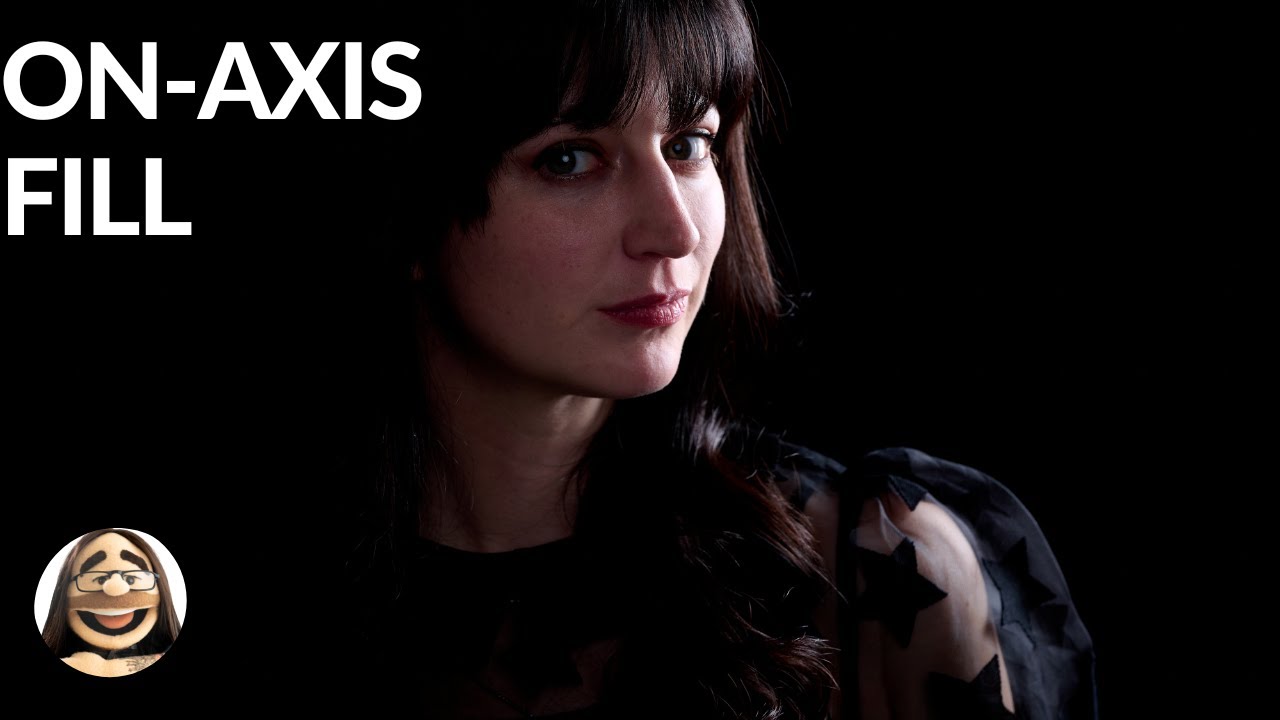
On-Axis Fill: The One Placement Rule That Eliminates Crossed Shadows for Good

Every time I walk into a studio rental and see a photographer’s fill light parked directly opposite the key light, I know exactly what their images look like before I even glance at the camera. Two competing shadow directions. A muddy, restless quality across the face that no amount of retouching fully fixes. I’ve been there. Early in my career I set up fill lights wherever they happened to be convenient, and I spent hours in post wondering why the skin tones felt so complicated.

How a Belgian Glamour Photographer Built a High-Converting Portrait Studio in an Annex the Size of a Garage

How a Belgian Glamour Photographer Built a High-Converting Portrait Studio in an Annex the Size of a Garage

There is a particular kind of envy I get when I see a small studio that outperforms studios three times its size. I shoot commercial work out of a rented space in Los Angeles, which gives me room to be wasteful with my layout. But wasteful is not efficient, and efficient is what sells. So when I came across Watch the full tutorial on YouTube on The Portrait System channel featuring Belgian glamour photographer Wendy De Craemer of ZOOM Foto-Atelier, I sat down with my lighting journal and took notes.

You Don't Need to Memorize Ratios to Light Well — Here's What Actually Works

You Don't Need to Memorize Ratios to Light Well — Here's What Actually Works

There’s a label maker on my workbench right now, next to a roll of masking tape I use to tag every light in my studio. I’ve always been the kind of photographer who wants to know exactly what everything is doing and why. So when I first heard a working photographer say out loud that he doesn’t consider himself a “technical photographer,” my instinct was to push back. Then I actually listened to what he meant, and it reframed something I’d been overcomplicating for years.

Faking Window Light in the Studio: How to Sell the Lie With Two Lights

Faking Window Light in the Studio: How to Sell the Lie With Two Lights

There is a specific failure mode I see constantly in studio work where photographers create technically correct light that still feels wrong. The exposure is clean, the modifiers are appropriate, the histogram is fine. But the image has no sense of place. It could have been shot anywhere, at any time, under any conditions. That placelessness kills the mood before the viewer even registers it consciously. The ability to fake a real-world light source, something with narrative weight like a streetlight, a hotel window, a passing car, is one of the most useful skills a working photographer can develop, and it is one I keep returning to in my own commercial work.

Parabolic Light Modifiers for Beauty Photography: What the Shape Actually Does and Why It Matters

Parabolic Light Modifiers for Beauty Photography: What the Shape Actually Does and Why It Matters

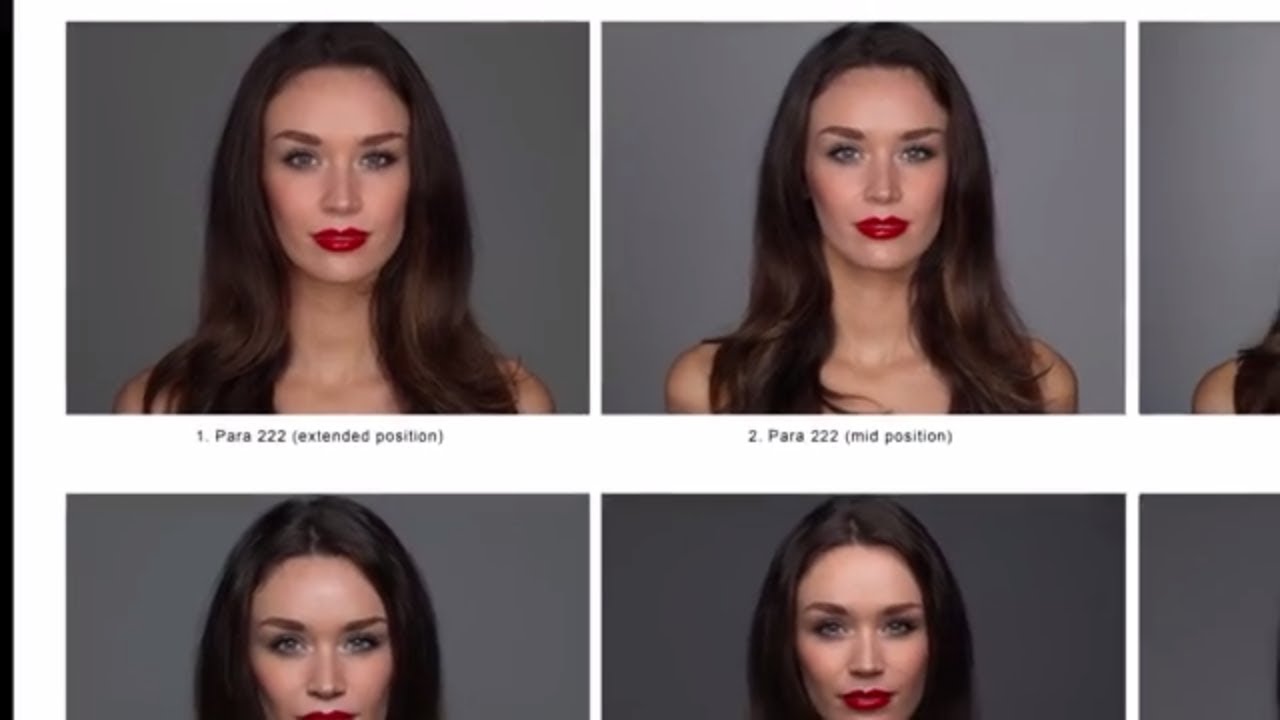
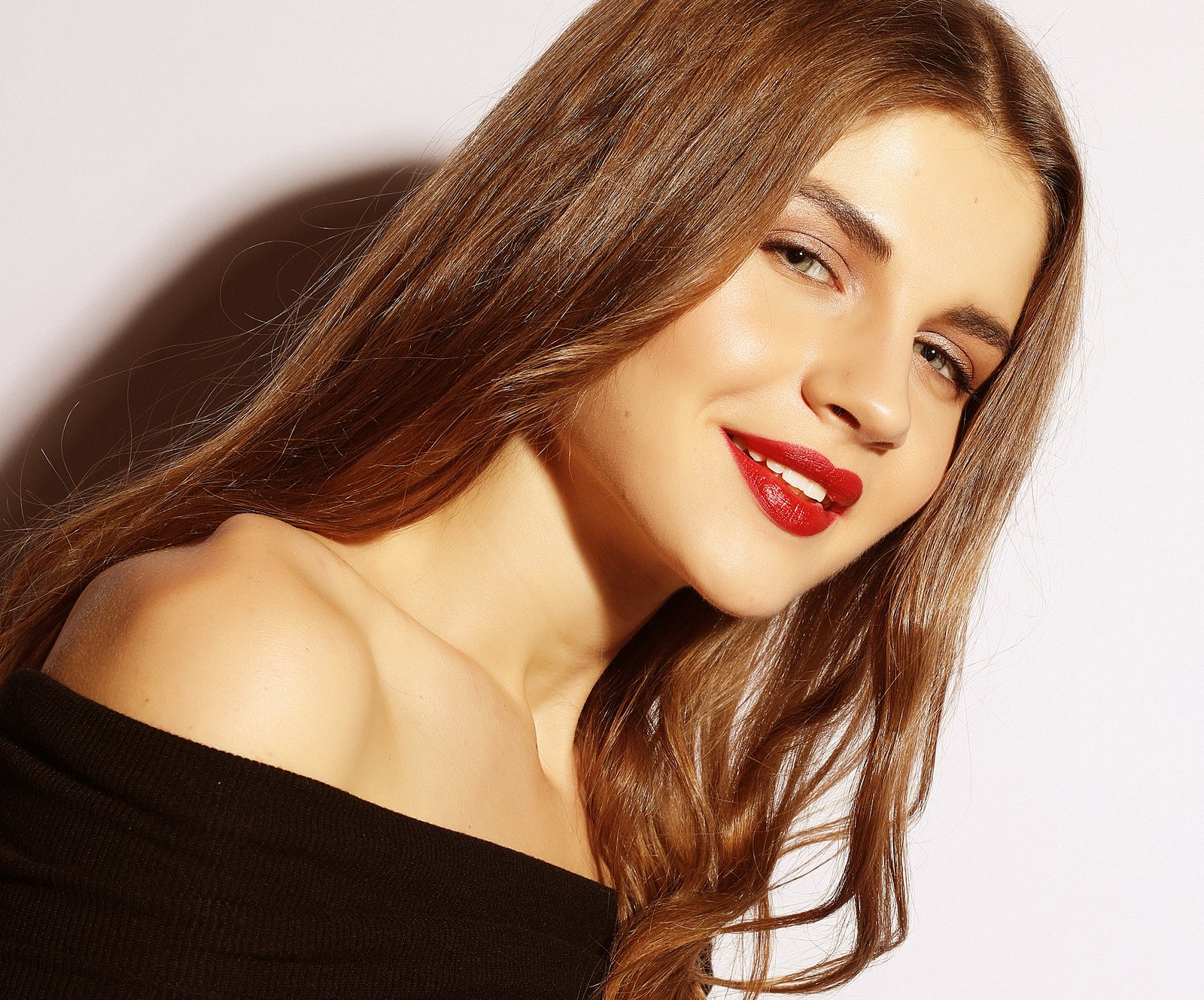
Every beauty photographer eventually hits the same wall. You own a softbox, maybe a beauty dish, and both produce decent results. But there’s a quality of light you keep seeing in high-end editorial work that you can’t quite replicate. It has depth to it. A kind of directionality that feels both soft and precise at the same time. For years I assumed it was retouching. It wasn’t. It was the modifier.

What Anne Geddes's Studio Teaches Every Working Photographer About Trust, Team, and Baby Lighting

What Anne Geddes's Studio Teaches Every Working Photographer About Trust, Team, and Baby Lighting

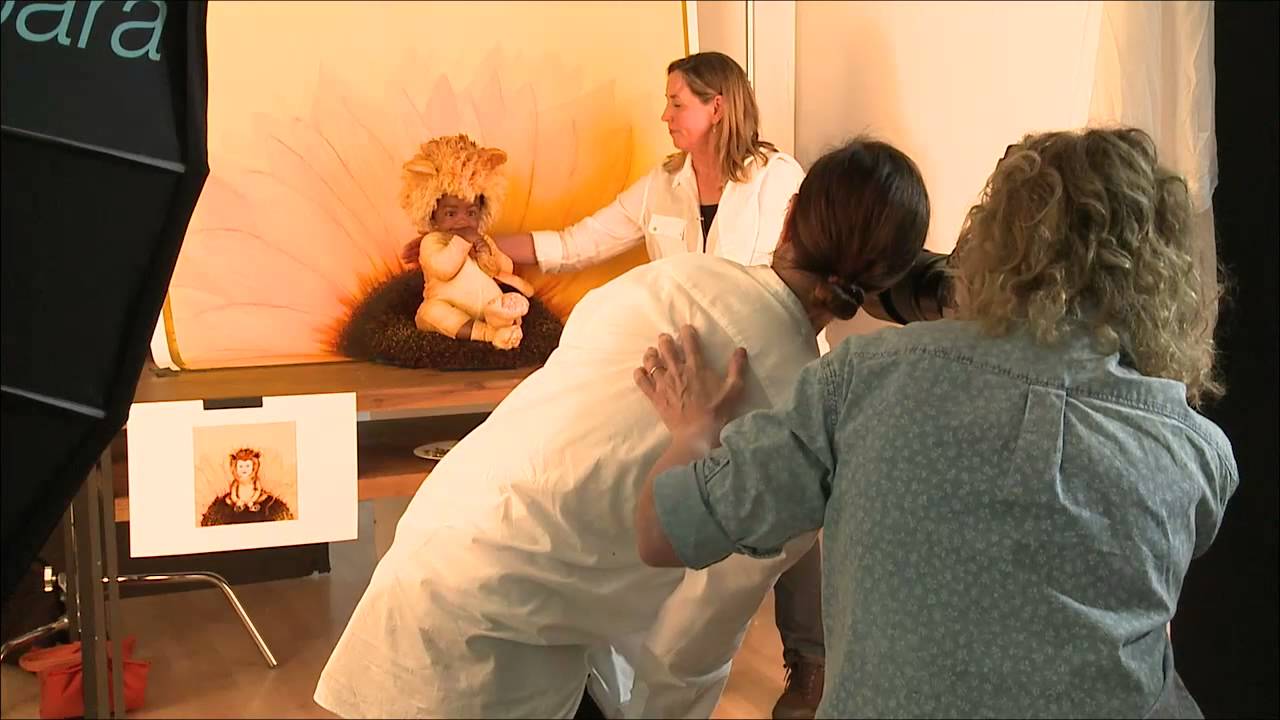
There’s a question I get at workshops almost every time: “How do you handle unpredictable subjects?” Usually the person asking is talking about a difficult client or a fidgety model. But the hardest version of that problem is photographing infants, where you have zero verbal communication, a narrow window of cooperation, and something genuinely precious at stake. I’ve shot enough commercial work to know that the gap between a controlled adult portrait session and a session with a six-month-old is not a gap, it’s a canyon.

Speedlights in the Studio: What I Wish Someone Had Told Me Before My First Portable Flash Shoot

Speedlights in the Studio: What I Wish Someone Had Told Me Before My First Portable Flash Shoot

Every working photographer I know has a box of speedlights sitting in a closet somewhere. They bought them early on, used them for events or fill flash, then graduated to strobes and never looked back. I did the same thing. For years I treated my speedlights as backup gear, the kind of thing you grab when a power outlet isn’t available or a client wants something “run and gun.” It took me an embarrassingly long time to understand that with the right approach, those little units can produce images that hold up against full studio setups.

Breaking the Soft Light Mold: Mastering Barn Door Fixtures for High-Impact Portraits

Breaking the Soft Light Mold: Mastering Barn Door Fixtures for High-Impact Portraits

The Case Against Always Going Soft I’ve spent enough time in studios to recognize a truth that gets overlooked in contemporary portraiture: not every face needs to be wrapped in diffusion. The industry’s obsession with flattering, forgiving light has created a generation of photographers who panic at the sight of a bare bulb. But here’s what I’ve learned: sometimes the most compelling portraits come from controlled harshness. Fashion photographers understood this decades ago.

The Octabox 150: A Working Photographer's Case for the Most Useful Modifier in the Studio

The Octabox 150: A Working Photographer's Case for the Most Useful Modifier in the Studio

I have a masking tape label on almost every piece of gear in my studio. The octabox 150 gets its own label, but it also gets a permanent spot on the stand closest to my shooting position. That’s how often it goes up. When clients book a beauty or fashion job, this modifier is almost always my first pull. It’s large enough to wrap light around a face, forgiving enough for a moving subject, and controllable enough that I’m not fighting spill all day.

Why Your Subject Looks Flat: Posing as a Light Management Problem

Why Your Subject Looks Flat: Posing as a Light Management Problem

The Shoot That Made Me Rethink Everything I Knew About Posing Three years into shooting editorial work, I had a model in front of a 60-inch Photek Softlighter II and I could not figure out why every frame looked wrong. The light was correct. My exposure was dialed. The model was experienced and moving well. I kept chimping, kept adjusting the modifier position, kept second-guessing my Profoto B1 settings. It wasn’t until I asked her to rotate her shoulders about 15 degrees toward the light that the whole image snapped into place.