One Light, One Umbrella, Zero Excuses: Breaking Down a Pro Studio Lighting Setup

One Light, One Umbrella, Zero Excuses: Breaking Down a Pro Studio Lighting Setup

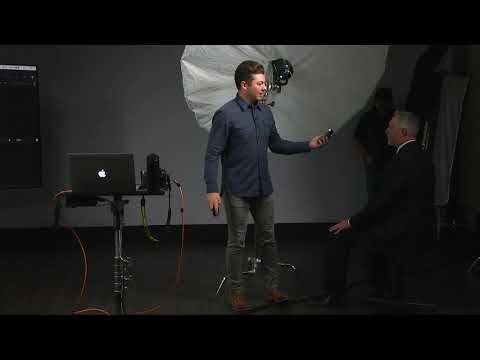
Every corporate headshot season, I watch photographers overcomplicate what should be a straightforward problem. They stack modifiers, add fill cards, chase catchlights with a second strobe, and end up with a lighting rig that takes forty minutes to build and still produces flat, unflattering results. The truth is that one well-placed light and the right modifier will outperform a four-light setup built without intention every single time. In this CreativeLive tutorial on basic studio lighting setups, the instructor walks through exactly that philosophy using a corporate subject in a suit, which is as real-world a scenario as studio photography gets.
Move Your Softbox Closer Than You Think — Here's Why It Changes Everything

Move Your Softbox Closer Than You Think — Here's Why It Changes Everything

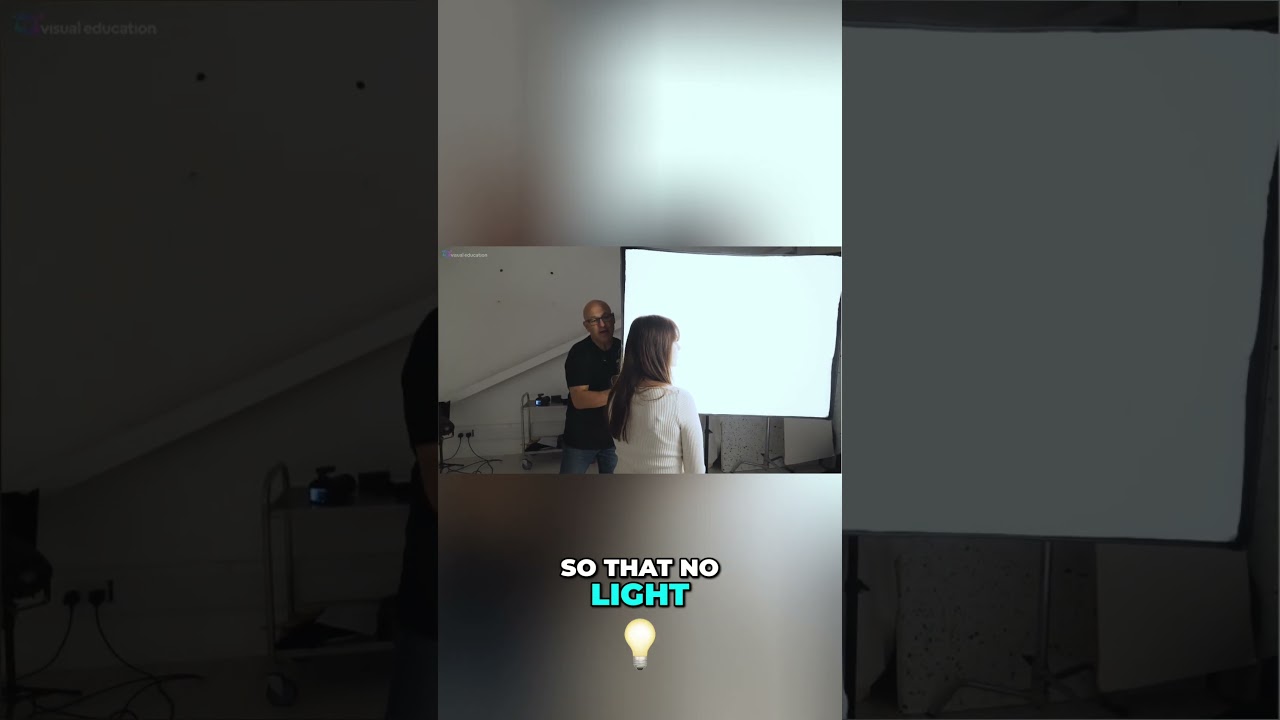
There’s a mistake I see in almost every behind-the-scenes photo that photographers share online. The softbox is positioned at a reasonable distance, the model looks okay, and the whole setup looks perfectly professional. The problem is “reasonable” and “okay” are doing a lot of heavy lifting there, and they’re covering for light that’s working against you. I spent years treating softbox distance as an afterthought, something you eyeballed and called done once the exposure looked right on the back of the camera.

Off-Camera Flash From Scratch: What Tony & Chelsea Northrup's Tutorial Actually Teaches You About Controlling Light

Off-Camera Flash From Scratch: What Tony & Chelsea Northrup's Tutorial Actually Teaches You About Controlling Light

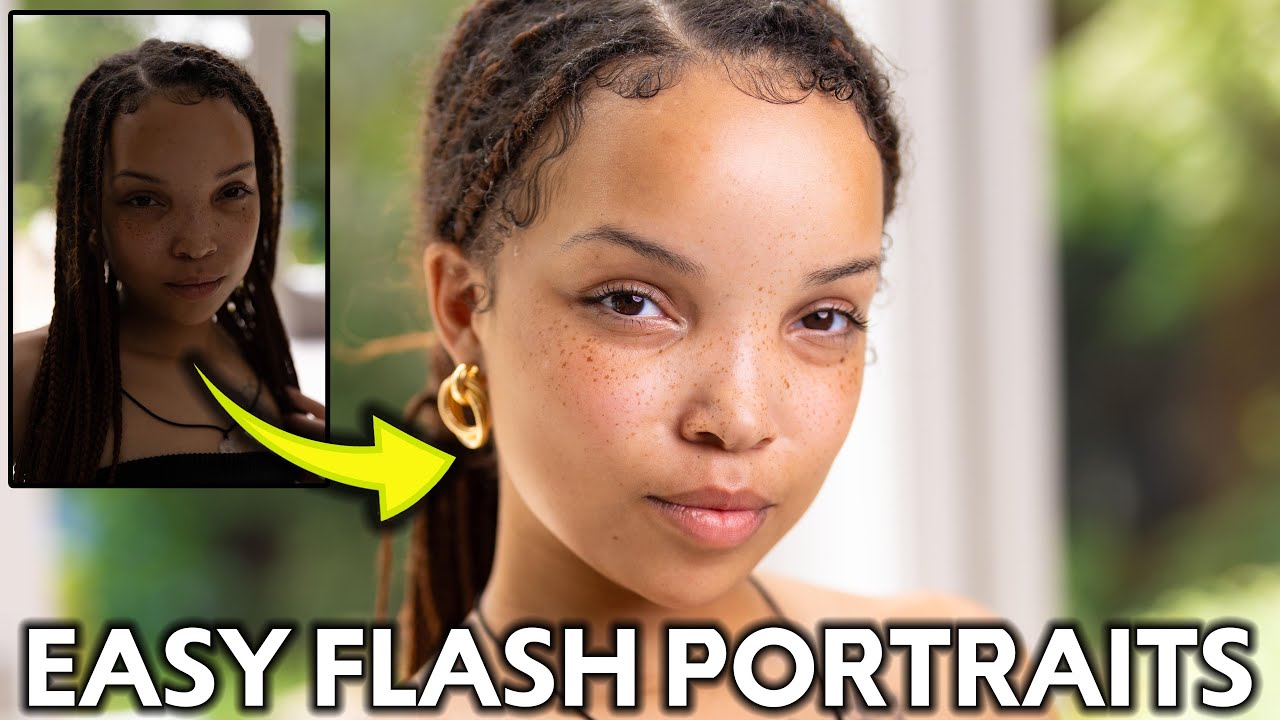
Every new client I talk to asks me about cameras. Which one should they watch for on sale, which mirrorless system is worth the switch. I get it. Gear is tangible. You can compare specs on a spreadsheet. But I’ve shot enough bad portraits under expensive glass to know that a $600 strobe will do more for your images than a $2,000 lens upgrade ever will. That’s not a hot take.

Mixing Strobes and Continuous Light: How to Make Two Completely Different Light Sources Work Together

Mixing Strobes and Continuous Light: How to Make Two Completely Different Light Sources Work Together

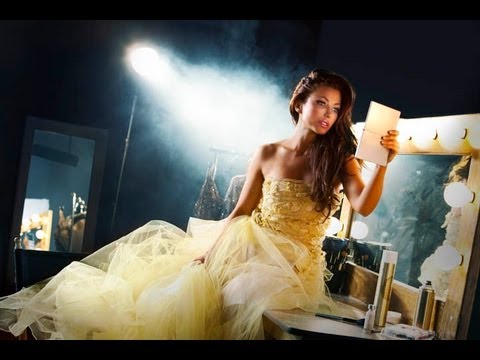
There is a specific kind of portrait shot that stops people mid-scroll. It has depth, warmth, a shaft of light cutting through atmosphere. It looks like it was lit by someone who understood both cinema and photography at the same time. For years, I chased that look by piling on more strobes, more modifiers, more complexity. The answer, it turns out, was simpler and more disruptive: stop using only one type of light source.

Small Flash, Classic Results: How to Build a Studio Portrait Setup with Two Lights and a Reflector

Small Flash, Classic Results: How to Build a Studio Portrait Setup with Two Lights and a Reflector

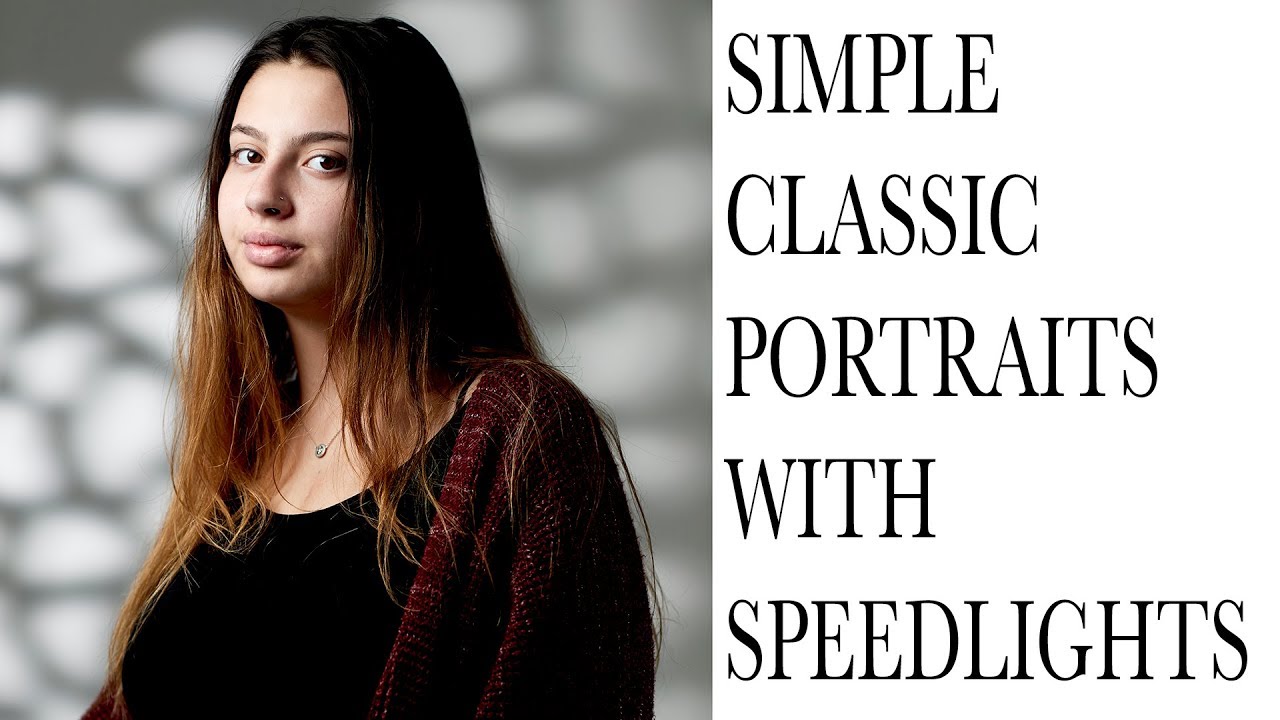
There’s a problem I run into constantly with newer photographers who come through my studio: they think dramatic, polished portraits require a wall of monolights and a dedicated grip crew. I understand where that assumption comes from. But some of my tightest commercial work has come from setups I could pack into a roller bag. That’s exactly why this tutorial from Daniel Norton caught my attention and earned a permanent sketch in my lighting journal.

Use a Polaroid's Manual Mode to Lock In Your Studio Lighting Before You Shoot

Use a Polaroid's Manual Mode to Lock In Your Studio Lighting Before You Shoot

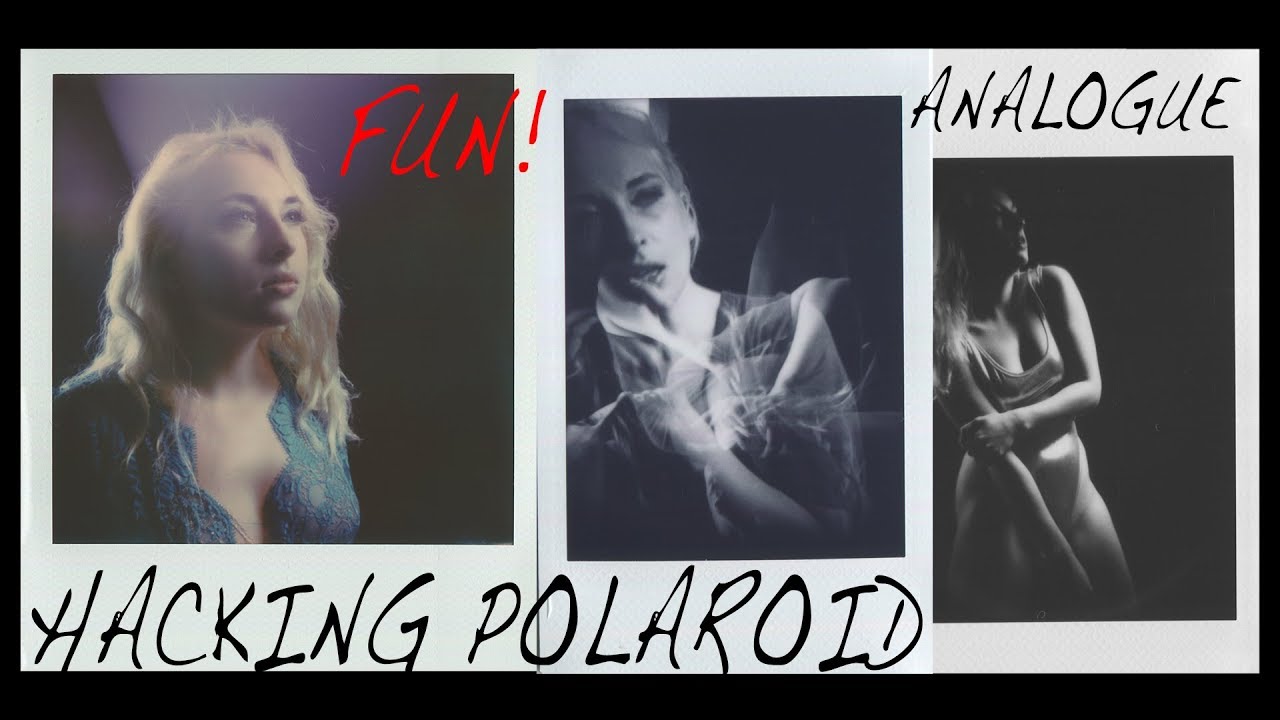
There’s a problem every studio photographer eventually runs into: you’re lighting a subject, your digital camera is doing its own quiet negotiating with TTL, and you’re never quite sure whether what you’re seeing on the back of the camera is the light or the firmware. I’ve been in sessions where I thought I had the setup locked, only to find the exposure drifting between frames because the camera kept second-guessing me.

Stop Shooting with White Light: How Creative Gels Can Transform Your Studio Work

Stop Shooting with White Light: How Creative Gels Can Transform Your Studio Work

The Shot That Made Me Take Gels Seriously I was three hours into a beauty editorial when the creative director leaned over my shoulder and said, “It’s technically perfect and completely boring.” She wasn’t wrong. Every light was dialed in, ratios were clean, skin tones were accurate. And the image looked like a catalog photo for a brand nobody cared about. We ended up throwing a quarter-cut CTO on the hair light and a pale lavender gel on the background, and the next frame we shot was the one that ran as the opener.

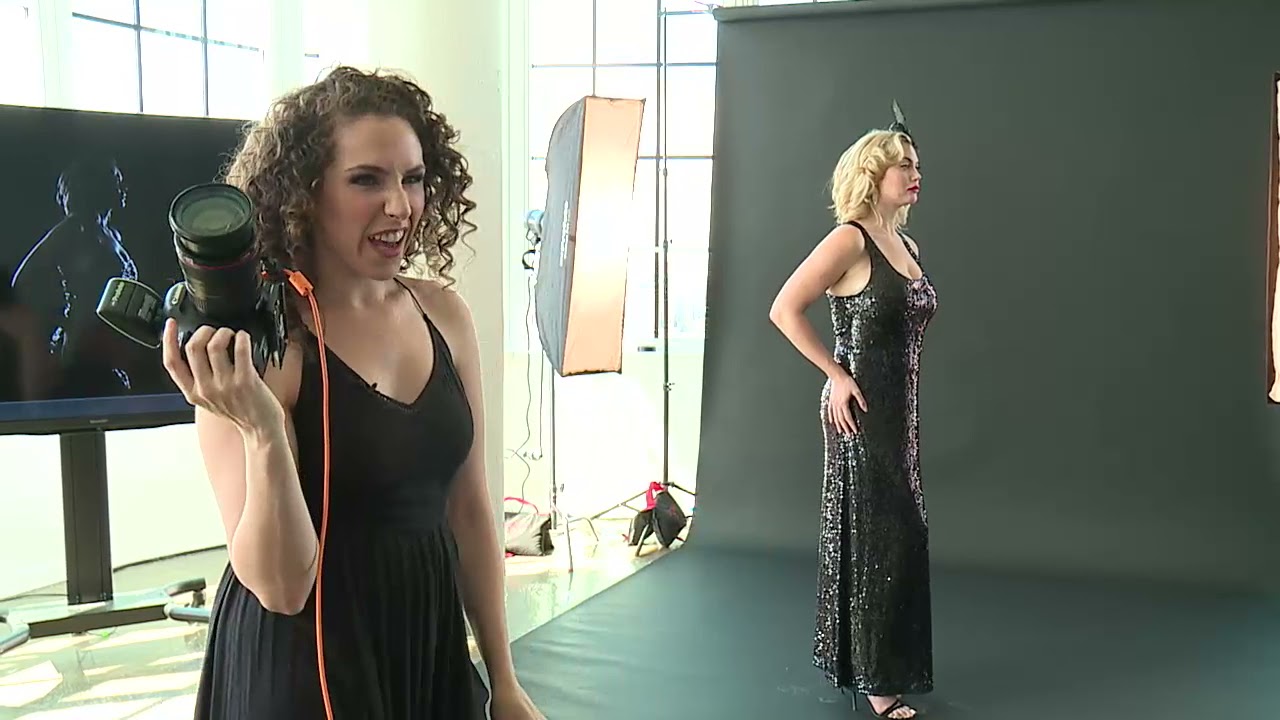
Low Key Silhouette Lighting: A Two-Light Setup That Actually Works in a Real Studio

Low Key Silhouette Lighting: A Two-Light Setup That Actually Works in a Real Studio

There’s a specific kind of client brief that used to make me nervous early in my career: “dramatic, dark, high-contrast.” It sounds simple until you’re standing in front of a bright, windowed studio trying to sculpt shadows that don’t exist. Low key lighting is one of those techniques that looks effortless in the final image and chaotic in practice if you haven’t built a reliable process around it. I’ve shot enough fashion and beauty work to know that when this setup goes wrong, it goes wrong fast, and usually right before the client walks in.

Emotion First, Then the Pose: What a $10K Wedding Photographer Taught Me About Working With People

Emotion First, Then the Pose: What a $10K Wedding Photographer Taught Me About Working With People

Most of my work happens in a controlled environment. I label every light, I sketch every setup, I run color calibration before the first frame fires. Control is how I operate. So when a client’s expressions fall flat despite a technically perfect setup, it’s genuinely disorienting. The lights are where they should be. The composition is solid. And yet the images feel hollow. For years I chalked that up to the subject, told myself some people just aren’t photogenic.

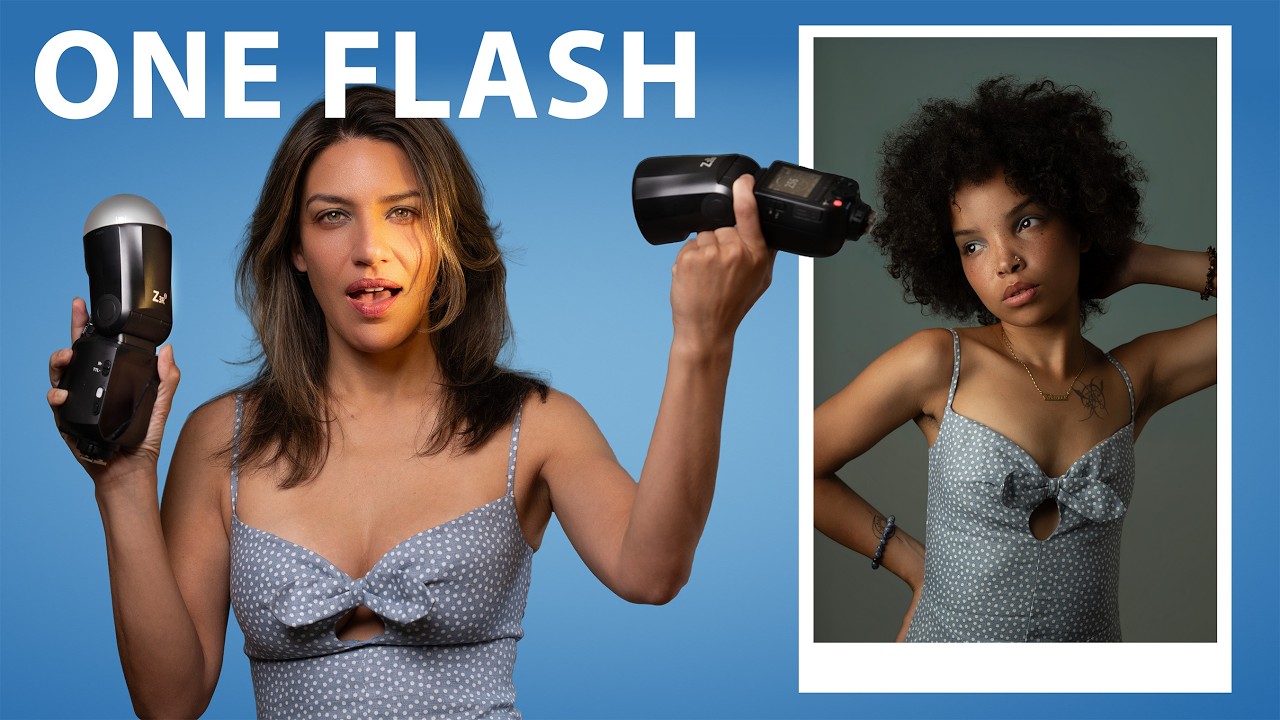
One Flash, One Room, Pro Results: A Studio Lighting Walkthrough with Neewer's Z2 Pro and Z3R

One Flash, One Room, Pro Results: A Studio Lighting Walkthrough with Neewer's Z2 Pro and Z3R

Most of my clients assume I’m working with a truck full of Profoto heads and a crew of assistants. The truth is that some of my cleanest editorial portraits have come from a single flash, a good modifier, and a room small enough that I could touch both walls with my arms stretched out. That gap between what people think pro lighting requires and what actually produces pro results is exactly what keeps beginners stuck.

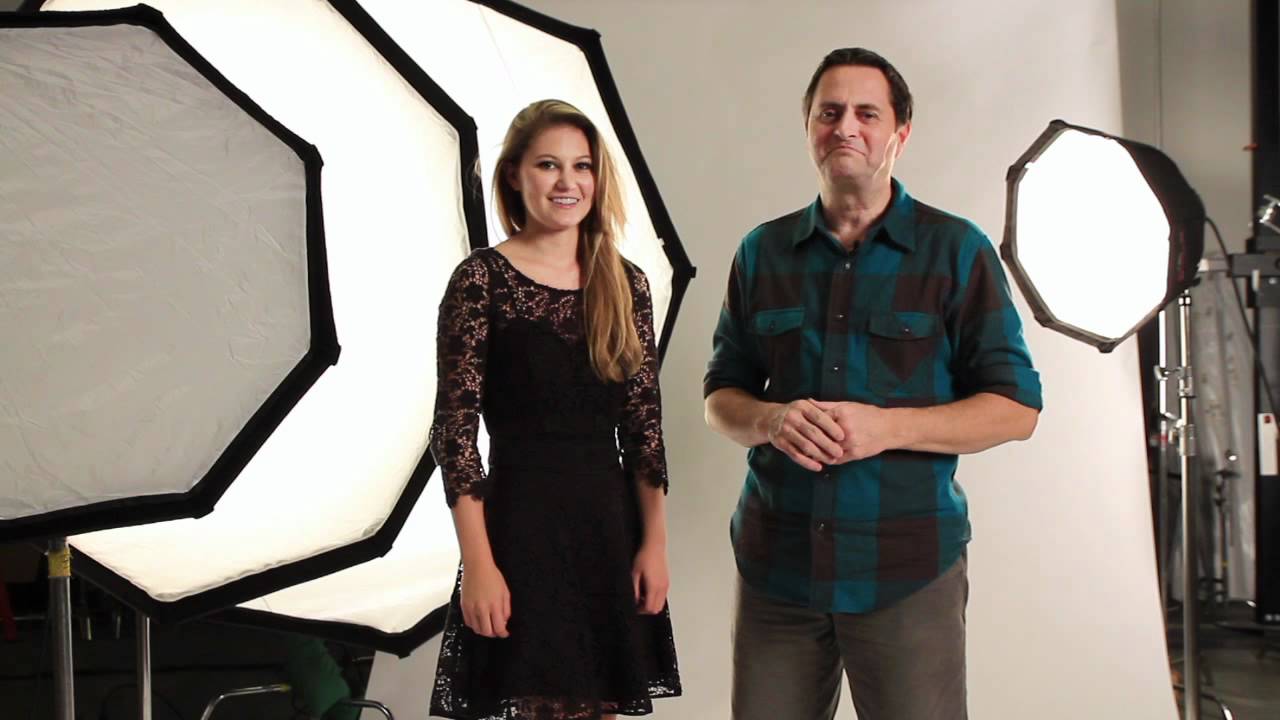
Octodomes Decoded: What Every Studio Photographer Needs to Know About Eight-Sided Light

Octodomes Decoded: What Every Studio Photographer Needs to Know About Eight-Sided Light

I test every new modifier the day it arrives. Not because I’m impatient, though I am, but because showing up to a client shoot with an untested piece of gear is how careers end quietly. So when octodomes started appearing in more of my commercial setups, I needed to understand exactly what I was getting, not just the marketing copy on the box. Size, coverage, feathering behavior, catchlight shape. All of it.

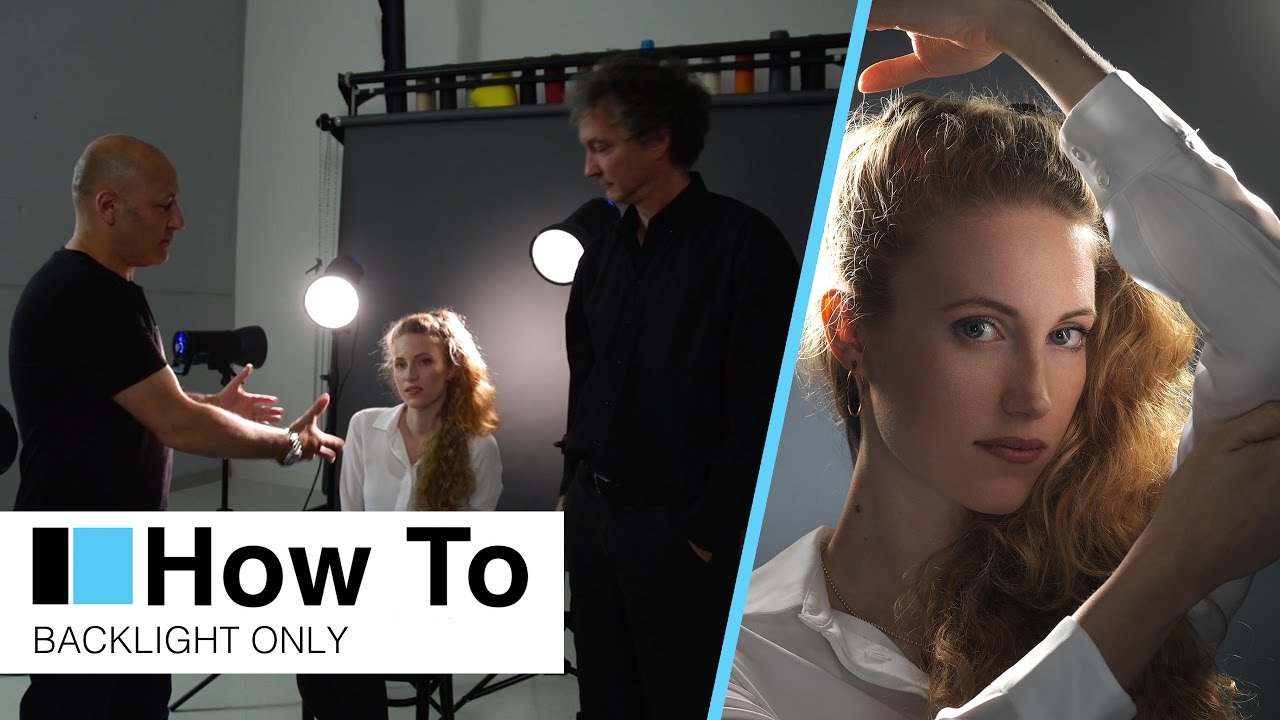
The Model as Modifier: How to Shoot Pure Backlight Without Destroying Your Subject's Face

The Model as Modifier: How to Shoot Pure Backlight Without Destroying Your Subject's Face

Backlighting is one of those techniques I keep returning to, not because it’s easy, but because nothing else produces that quality of edge light and depth that makes a portrait look genuinely three-dimensional. The problem is that pure backlight is also one of the fastest ways to wreck a shot. You get blown rim light, a crushed, featureless face, and enough lens flare to sink a fashion campaign. I’ve been in that situation more times than I’d like to admit, which is why this Visual Education tutorial featuring broncolor stopped me mid-scroll.