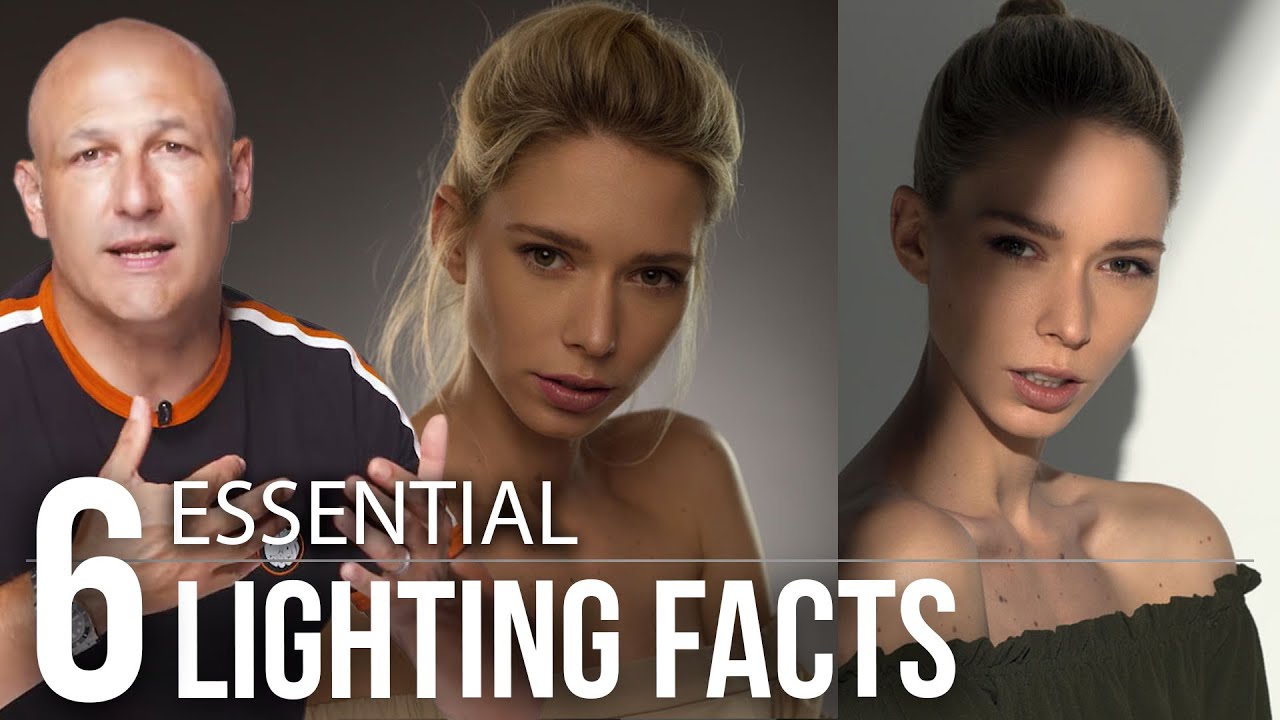
6 Lighting Fundamentals That Matter More Than Any Camera You'll Ever Buy

6 Lighting Fundamentals That Matter More Than Any Camera You'll Ever Buy

Every few weeks someone emails me asking which camera body I’m shooting with, or which prime lens I’d recommend for portrait work. I get it. Gear is tangible. You can read specs, compare prices, feel confident you’re making a measurable upgrade. But after nearly two decades shooting fashion, beauty, and corporate work out of my studio here in Los Angeles, I can tell you that the camera has never once been the reason a shot failed.
Stop Shooting with White Light: How Creative Gels Can Transform Your Studio Work

Stop Shooting with White Light: How Creative Gels Can Transform Your Studio Work

The Shot That Made Me Take Gels Seriously I was three hours into a beauty editorial when the creative director leaned over my shoulder and said, “It’s technically perfect and completely boring.” She wasn’t wrong. Every light was dialed in, ratios were clean, skin tones were accurate. And the image looked like a catalog photo for a brand nobody cared about. We ended up throwing a quarter-cut CTO on the hair light and a pale lavender gel on the background, and the next frame we shot was the one that ran as the opener.

Flash Duration, Not Shutter Speed: How to Freeze a Liquid Pour in the Studio

Flash Duration, Not Shutter Speed: How to Freeze a Liquid Pour in the Studio

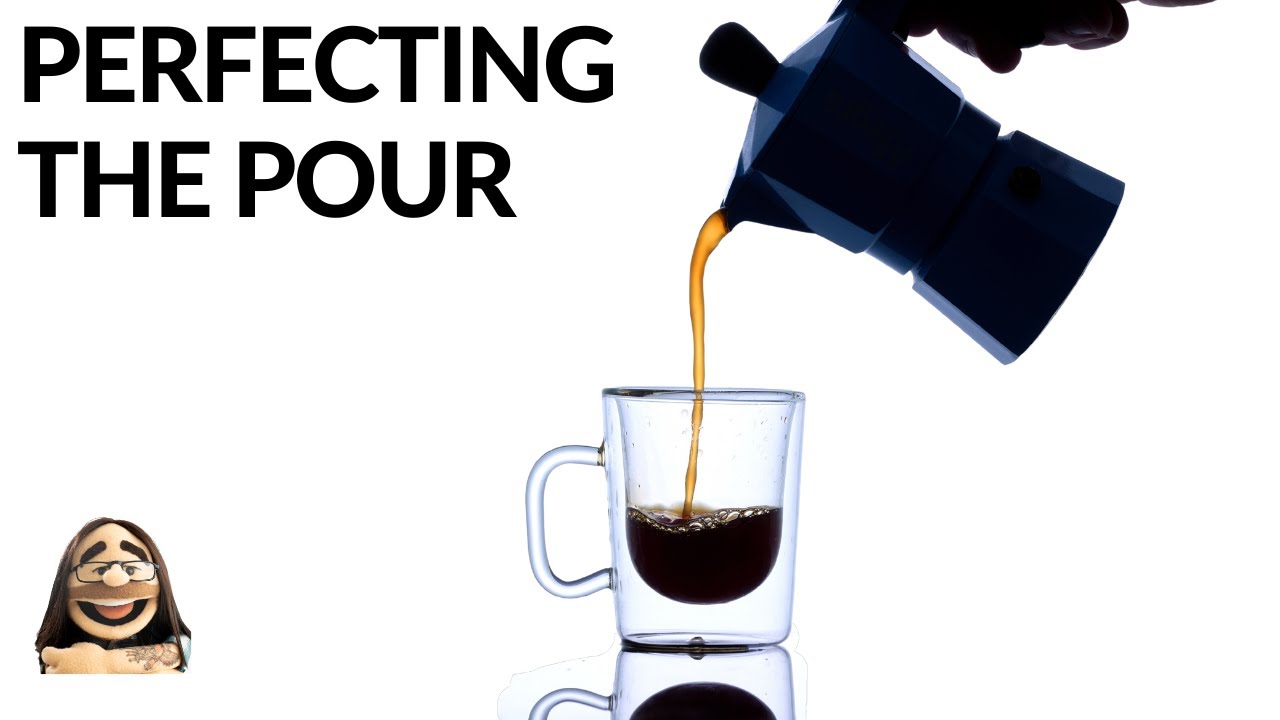
Every few months a client sends me a brief with a liquid shot in it. Coffee pouring into a cup. Whiskey splashing over ice. A serum drop hitting a surface. And every time, I watch junior photographers on set reach for the shutter speed dial as if that’s what’s going to save them. It isn’t. In studio conditions with flash, your shutter speed is nearly irrelevant to motion blur. What actually freezes the liquid is the duration of the flash itself, and if you don’t understand that distinction, you’ll keep getting soft, ghosted pours no matter how fast you shoot.

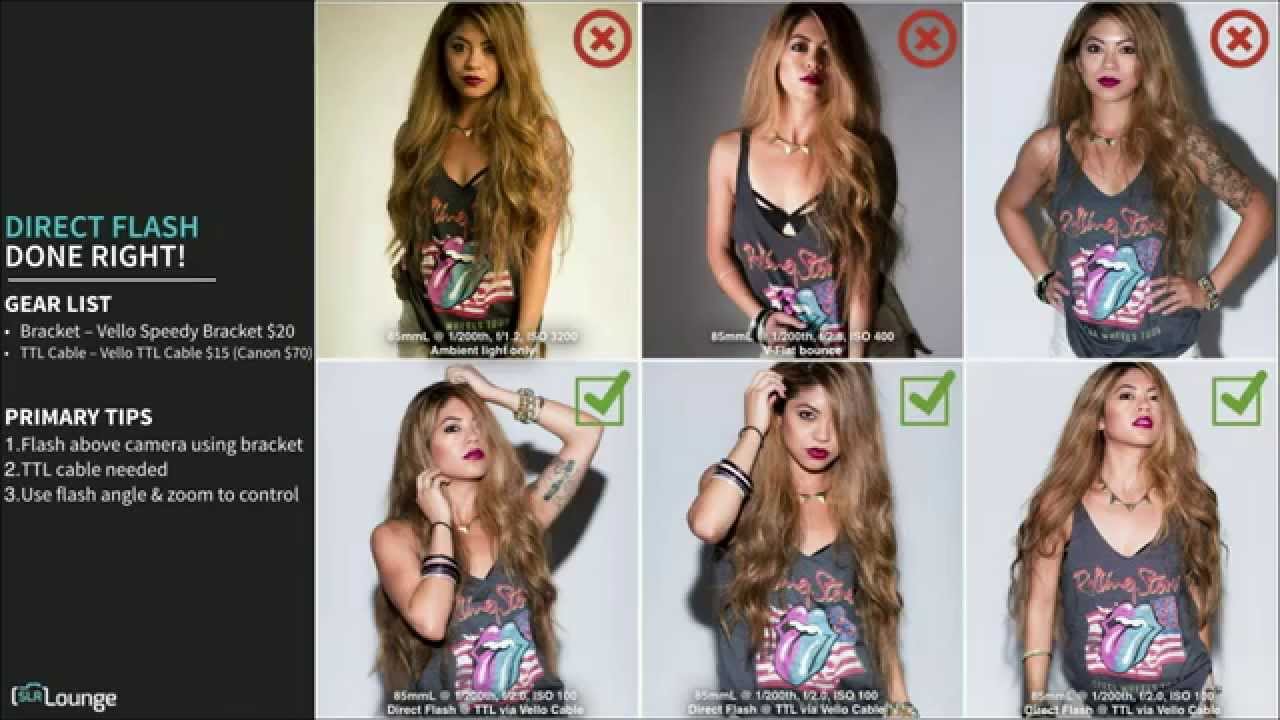
Direct Flash Done Right: How to Nail the Gritty Editorial Look With a $20 Bracket

Direct Flash Done Right: How to Nail the Gritty Editorial Look With a $20 Bracket

Direct flash has a reputation problem. Mention it to most photographers and they assume you mean the flat, washed-out snapshots from a disposable camera. But there is a version of direct flash that is intentional, controlled, and genuinely striking — the kind of look you see in American Apparel campaigns, celebrity punk portraits, and editorial spreads that want to feel raw and immediate. Getting there takes about two pieces of cheap gear and a clear understanding of what you are actually controlling.

Westcott's New FJ100 Series Proves Compact Wireless Flash Doesn't Mean Compromised Power

Westcott's New FJ100 Series Proves Compact Wireless Flash Doesn't Mean Compromised Power

Compact Flash Systems Are Finally Growing Up I’ve watched the wireless flash market evolve over the past decade, and I’m genuinely impressed by where Westcott is taking things with their new FJ100 lineup. We’re reaching an inflection point where “compact” no longer means “stripped-down amateur gear”—and that changes everything for how we light our shoots. Westcott just rolled out two new additions to their FJ wireless ecosystem: the FJ100 Touchscreen Strobe and the FJ100 Touchscreen Speedlight.

Off-Camera Flash Without the Guesswork: Channels, Zones, and Triggering Systems Explained

Off-Camera Flash Without the Guesswork: Channels, Zones, and Triggering Systems Explained

Every time I walk into a new studio space, the first thing I do is tape labels on every light. Masking tape, black marker, “KEY,” “FILL,” “KICKER.” It looks ridiculous. It has saved me from catastrophic mistakes more times than I can count. That habit came from learning, the hard way, that when you’re managing multiple off-camera flashes, confusion is expensive. Missed sync, wrong zone triggering the wrong light, two photographers’ systems fighting each other at an event shoot — these are real problems that happen to real working photographers.

How to Make Strobe Lighting Look Like It Actually Belongs in the Scene

How to Make Strobe Lighting Look Like It Actually Belongs in the Scene

I’ve shot enough location work to know that “it looks strobe lit” is one of the worst things a client can say about a finished image. The subject is sharp, the exposure is right, and somehow the whole thing still looks fake. The light sits on top of the scene instead of inside it. For years I treated this as an ambient light problem, something to fix in post or avoid by shooting faster at dusk.

Pose With the Light, Not Around It: A Studio Photographer's Breakdown

Pose With the Light, Not Around It: A Studio Photographer's Breakdown

Most of my early studio sessions followed the same logic: build the light, then figure out where the subject stands. It worked well enough for catalog work, but it kept producing images that felt technically correct and emotionally flat. The light was on the subject, not working with them. It took me a while to flip that thinking around and start treating the model’s position as part of the lighting equation itself.

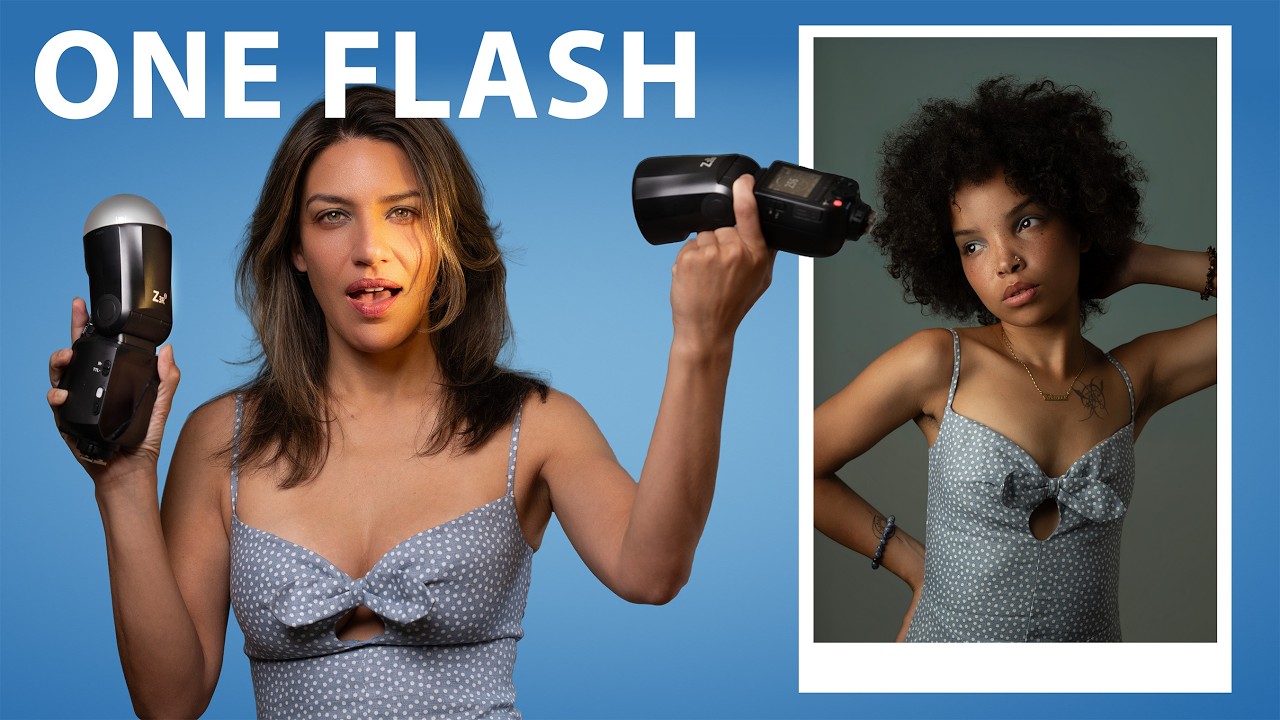
One Flash, One Room, Pro Results: A Studio Lighting Walkthrough with Neewer's Z2 Pro and Z3R

One Flash, One Room, Pro Results: A Studio Lighting Walkthrough with Neewer's Z2 Pro and Z3R

Most of my clients assume I’m working with a truck full of Profoto heads and a crew of assistants. The truth is that some of my cleanest editorial portraits have come from a single flash, a good modifier, and a room small enough that I could touch both walls with my arms stretched out. That gap between what people think pro lighting requires and what actually produces pro results is exactly what keeps beginners stuck.

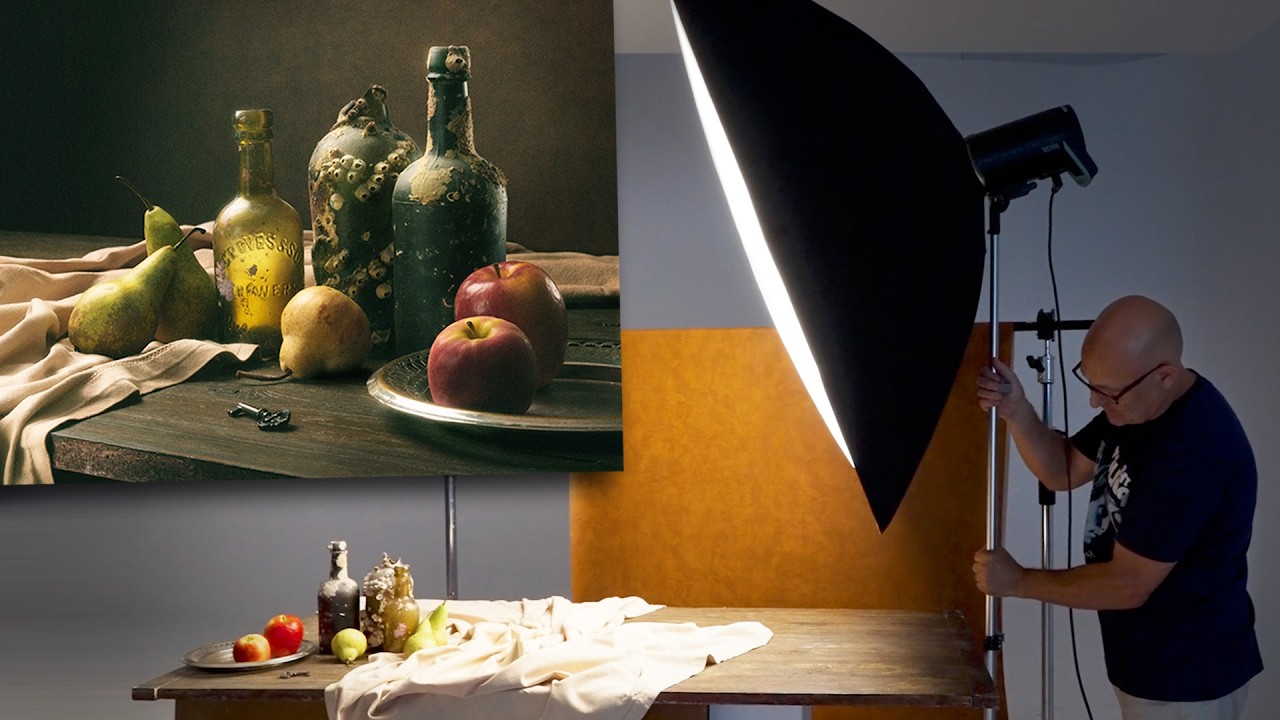
One Light, One Lesson: How a Renaissance Still Life Setup Will Change the Way You See

One Light, One Lesson: How a Renaissance Still Life Setup Will Change the Way You See

There is a particular kind of photographer who believes more gear equals better work. I was that photographer for a while. Early in my commercial career I was stacking lights, adding modifiers, filling every shadow, and wondering why my still life work felt flat and lifeless despite all the hardware pointed at it. What I eventually learned, the hard way, is that complexity hides ignorance. When you have four lights in a setup, you can mask a weak understanding of how light actually behaves.

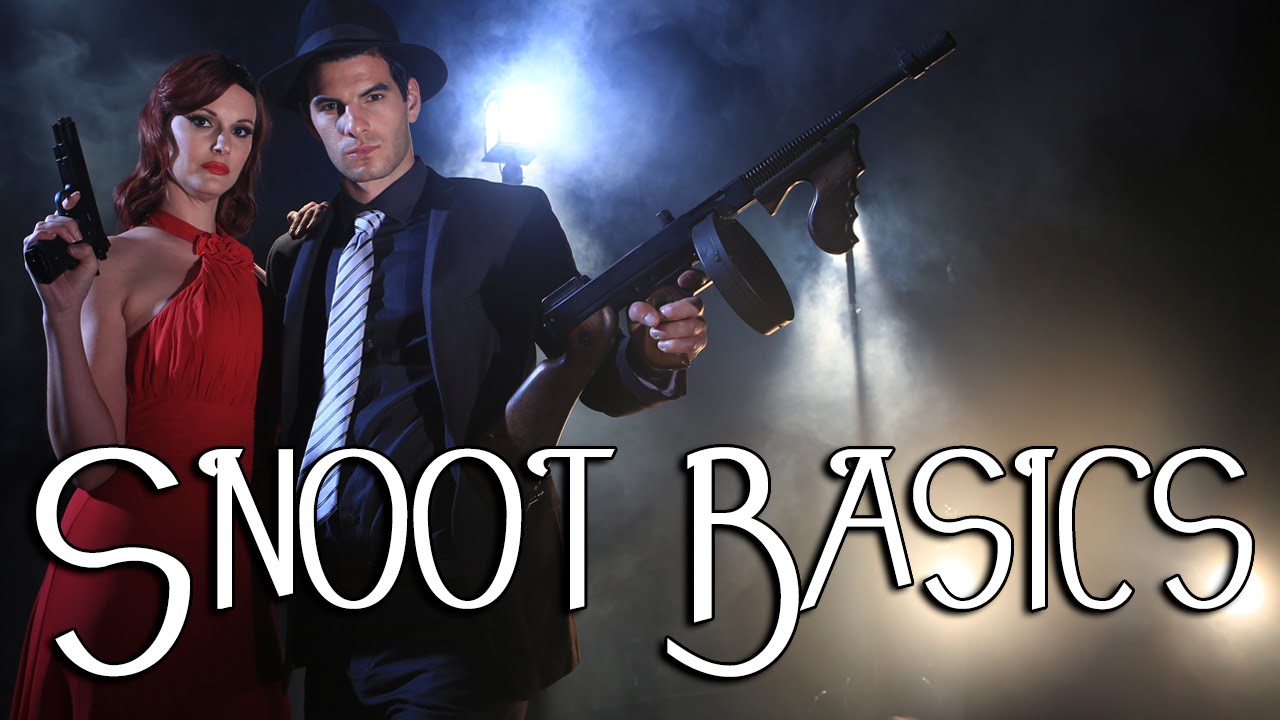
What a Snoot Actually Does to Your Light (And When to Reach for One)

What a Snoot Actually Does to Your Light (And When to Reach for One)

There’s a modifier sitting in most photographers’ gear bags that gets used either constantly or almost never, with very little middle ground. The snoot is one of those tools that sounds simple until you actually try to control it on a real set, and then the questions start piling up fast. How narrow is the coverage, really? How does it compare to a grid? Why does my shadow side look muddier than I expected?

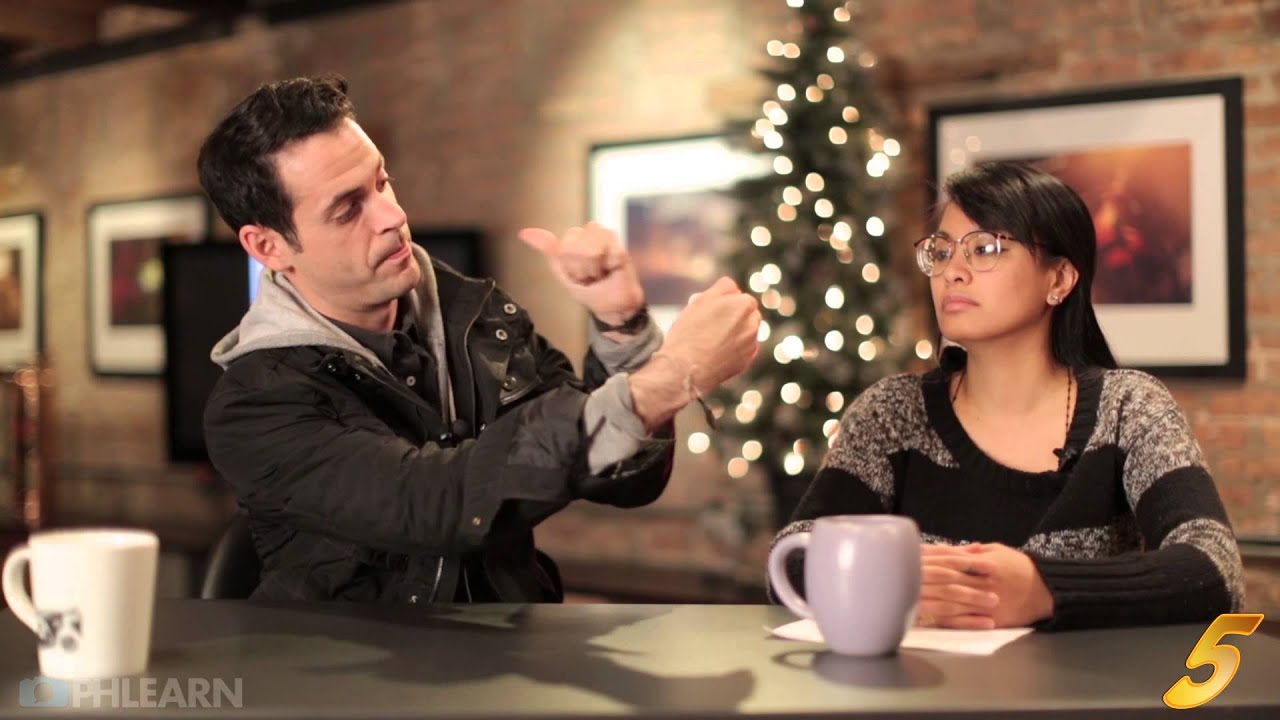
10 Lighting Questions Every Studio Photographer Gets Asked (And What Aaron Nace Actually Says)

10 Lighting Questions Every Studio Photographer Gets Asked (And What Aaron Nace Actually Says)

Questions about lighting land in my inbox constantly. From assistants just starting out to photographers who’ve been shooting for years but never formalized their understanding, the same handful of confusions keep surfacing. What should my histogram actually look like? What do I do when I can’t afford professional strobes? How do I stop guessing at exposure? These aren’t beginner questions, they’re foundational ones that every working photographer has to answer for themselves at some point.