Beauty Dish, Fill Card, and the Posing Logic Behind a Powerful Headshot

Beauty Dish, Fill Card, and the Posing Logic Behind a Powerful Headshot

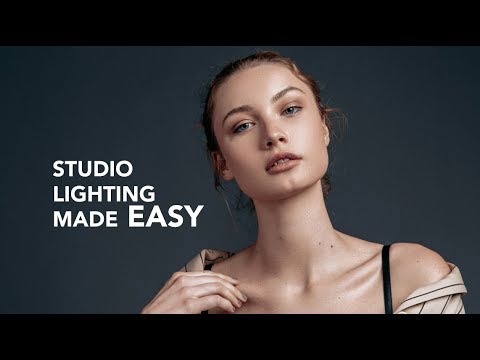
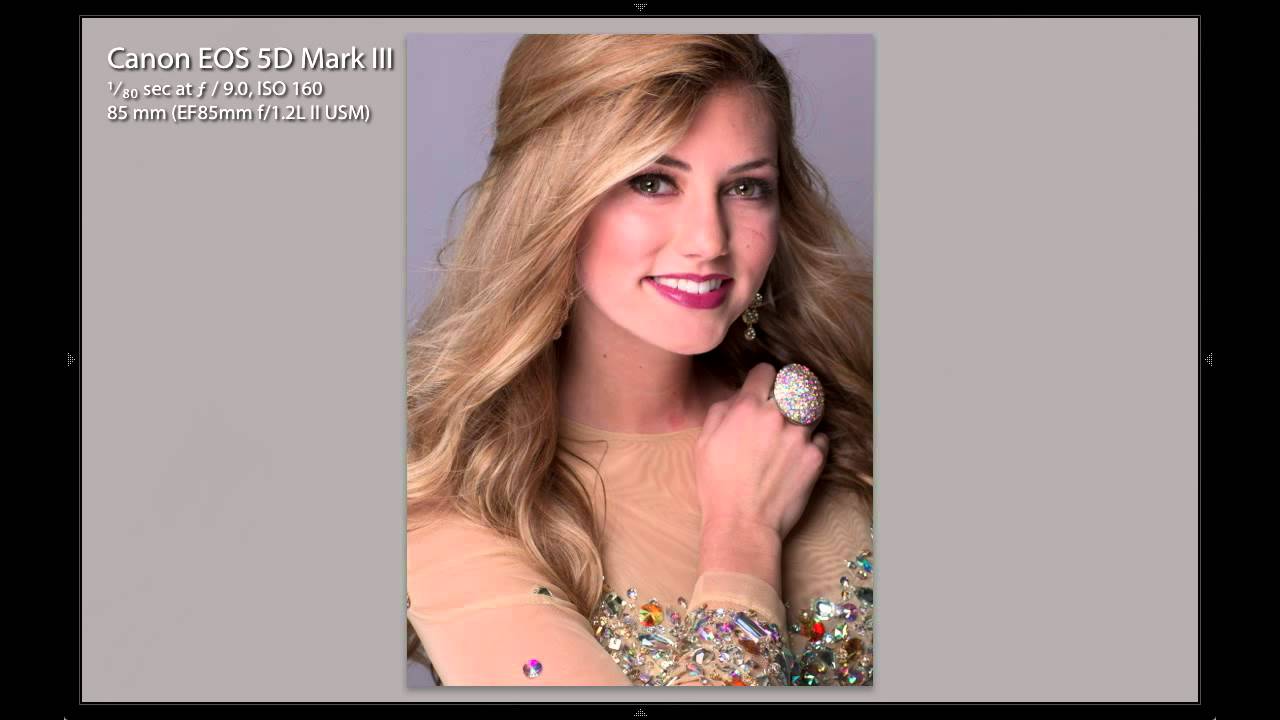
Headshots are the shoot I get called for most often that I also see done worst most often. Not because photographers don’t understand light, but because they treat headshots like portraits. They’re not the same thing. A portrait can afford to be atmospheric. A headshot has one job: make this person look like the most commanding version of themselves. That requires a completely different posing vocabulary and a lighting setup precise enough to be repeatable.

Beyond CTB and CTO: How I Actually Use Creative Gels to Build a Shot

Beyond CTB and CTO: How I Actually Use Creative Gels to Build a Shot

The Gel Drawer Most Photographers Never Open Every lighting kit I’ve seen in a rental house has the same thing: a neat stack of CTO and CTB corrections at the front of the gel drawer, and then a mess of colors shoved behind them that nobody touches. Full CTO for tungsten matching. Half CTB for a cooler key. That’s where most photographers stop, and I understand why. Correction gels have a clear purpose.

Octodomes Decoded: What Every Studio Photographer Needs to Know About Eight-Sided Light

Octodomes Decoded: What Every Studio Photographer Needs to Know About Eight-Sided Light

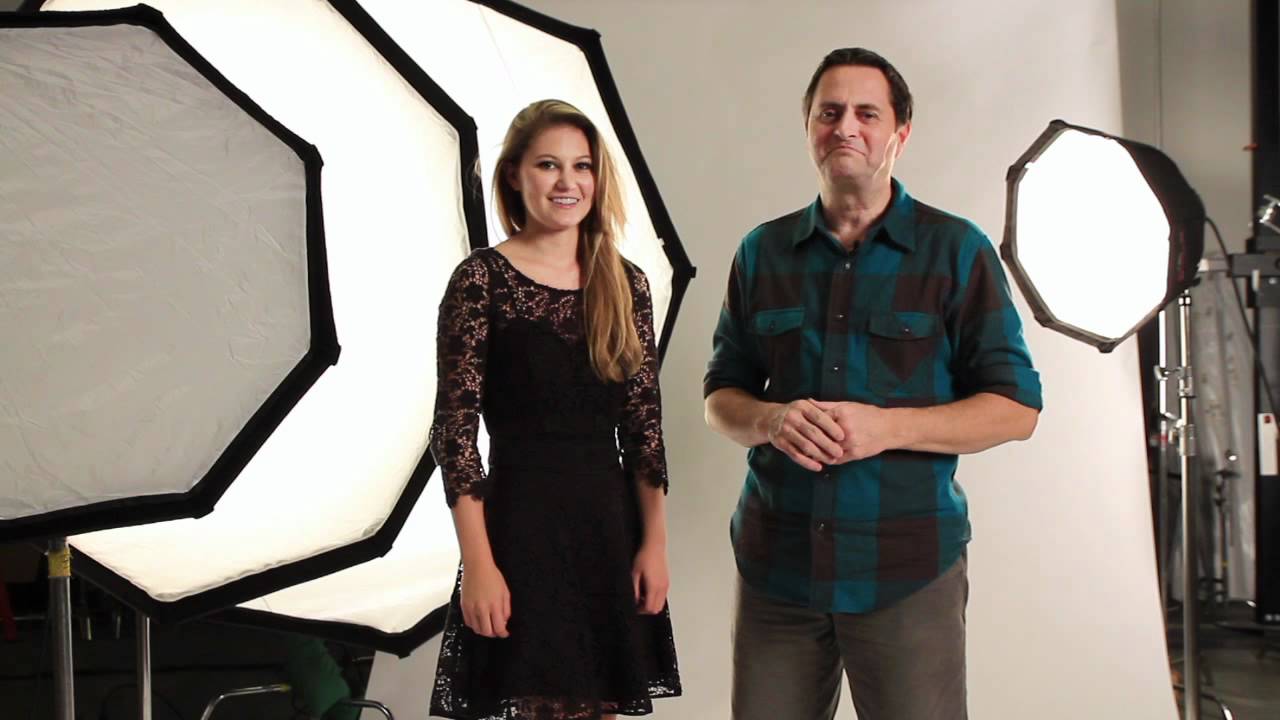
I test every new modifier the day it arrives. Not because I’m impatient, though I am, but because showing up to a client shoot with an untested piece of gear is how careers end quietly. So when octodomes started appearing in more of my commercial setups, I needed to understand exactly what I was getting, not just the marketing copy on the box. Size, coverage, feathering behavior, catchlight shape. All of it.

Candy Glass, Rim Lights, and a Couch Against a White Wall: What This Stunt Technique Taught Me About Scene Lighting

Candy Glass, Rim Lights, and a Couch Against a White Wall: What This Stunt Technique Taught Me About Scene Lighting

There are tutorials that teach you a technique, and then there are tutorials that accidentally teach you three techniques while pretending to teach you one. In this The Slanted Lens tutorial by JP Morgan, the stated subject is how to make breakaway candy glass, the kind Hollywood prop departments have been fabricating since the early days of film. But if you pay attention past the candy thermometer and the corn syrup, there’s a complete multi-light scene setup buried in the second half, and that’s the part I keep coming back to.

Flash Duration Is the Spec Sheet Lie That's Been Blurring Your Shots

Flash Duration Is the Spec Sheet Lie That's Been Blurring Your Shots

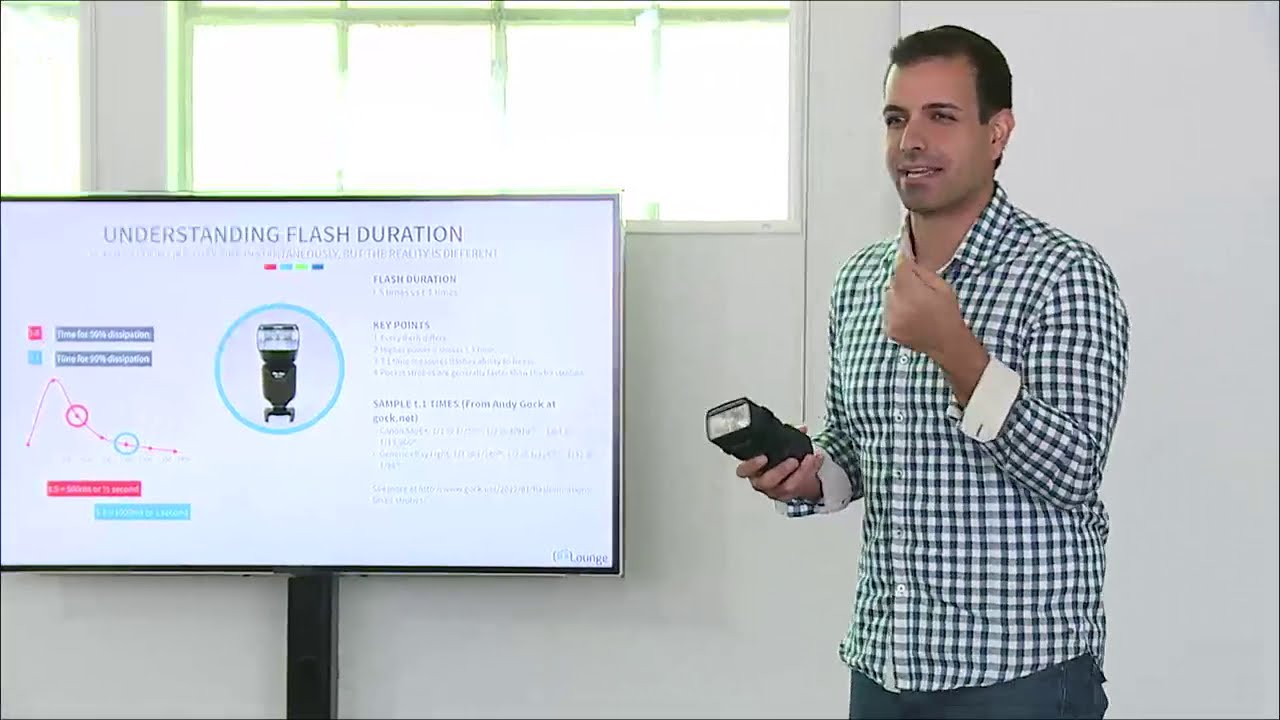
There’s a number buried in your flash’s spec sheet that most photographers never look at, and it’s quietly responsible for more soft, blurry images than any camera shake or missed focus. I spent years blaming myself for motion blur on full-power strobe shots before I understood what was actually happening inside the flash head. The spec sheet said my strobes were fast. My images said otherwise. It wasn’t until I sat down with this CreativeLive tutorial on flash duration that the whole thing finally clicked into a framework I could actually use on set.

Shooting Warm Light Against a Blue Background: A Bridal Portrait Technique Worth Stealing

Shooting Warm Light Against a Blue Background: A Bridal Portrait Technique Worth Stealing

There’s a mistake I made early in my career that I still think about. I was shooting an editorial and the window light was pouring in cool and blue while my tungsten modeling lights were throwing warm amber everywhere. I corrected everything to a neutral skin tone in post, and the images looked flat and lifeless. I had unknowingly solved the wrong problem. What I should have done was let those two color temperatures fight each other, and lean into the contrast instead of erasing it.

The Model as Modifier: How to Shoot Pure Backlight Without Destroying Your Subject's Face

The Model as Modifier: How to Shoot Pure Backlight Without Destroying Your Subject's Face

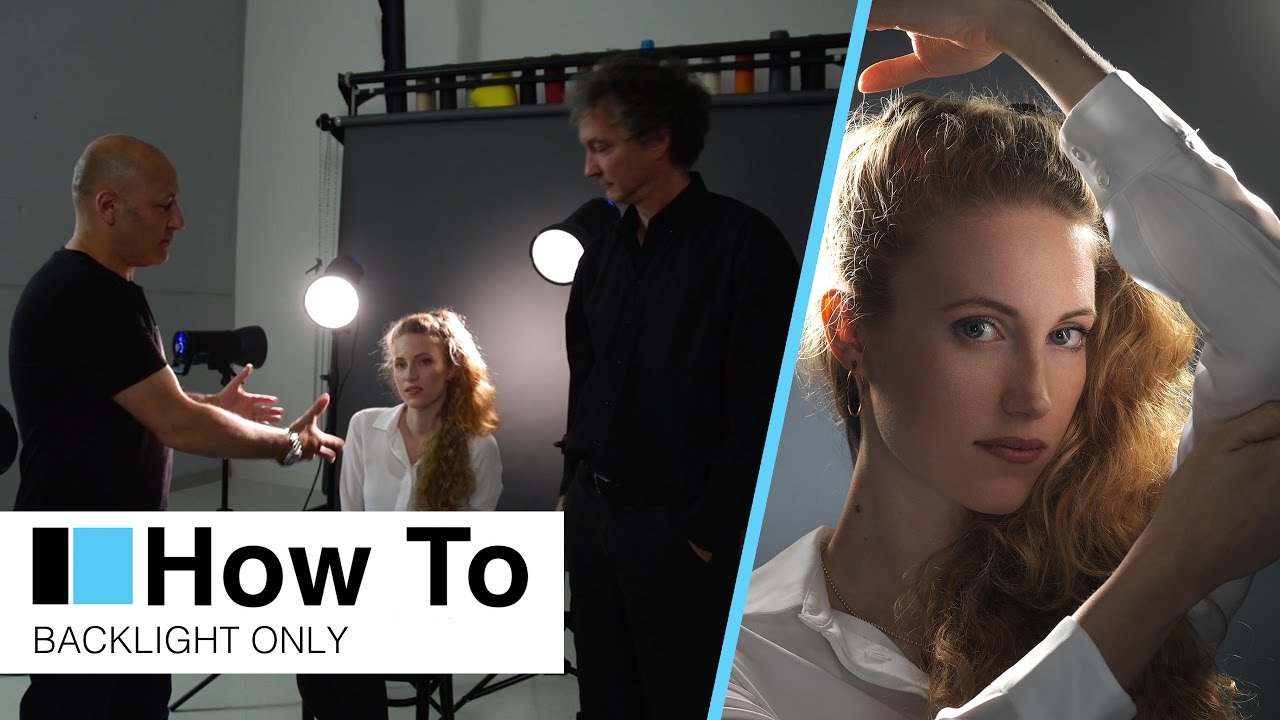
Backlighting is one of those techniques I keep returning to, not because it’s easy, but because nothing else produces that quality of edge light and depth that makes a portrait look genuinely three-dimensional. The problem is that pure backlight is also one of the fastest ways to wreck a shot. You get blown rim light, a crushed, featureless face, and enough lens flare to sink a fashion campaign. I’ve been in that situation more times than I’d like to admit, which is why this Visual Education tutorial featuring broncolor stopped me mid-scroll.

One Light, Two Lights, Three Lights: What Jessica Kobeissi's Studio Setup Tutorial Actually Teaches You

One Light, Two Lights, Three Lights: What Jessica Kobeissi's Studio Setup Tutorial Actually Teaches You

Most photographers overcomplicate their first studio setup. They buy three lights before they understand one, then wonder why their images still look flat. I did the same thing early in my career, and I’ve watched a lot of new photographers make that same expensive mistake. What I appreciate about this Jessica Kobeissi tutorial, shot with photographer Jake Thomas, is that it does the opposite: it builds from a single light outward, showing you what each additional source actually contributes before you spend a dollar on it.

Studio Time-Lapse with Strobes: How to Build a Moving, Cinematic Scene from Scratch

Studio Time-Lapse with Strobes: How to Build a Moving, Cinematic Scene from Scratch

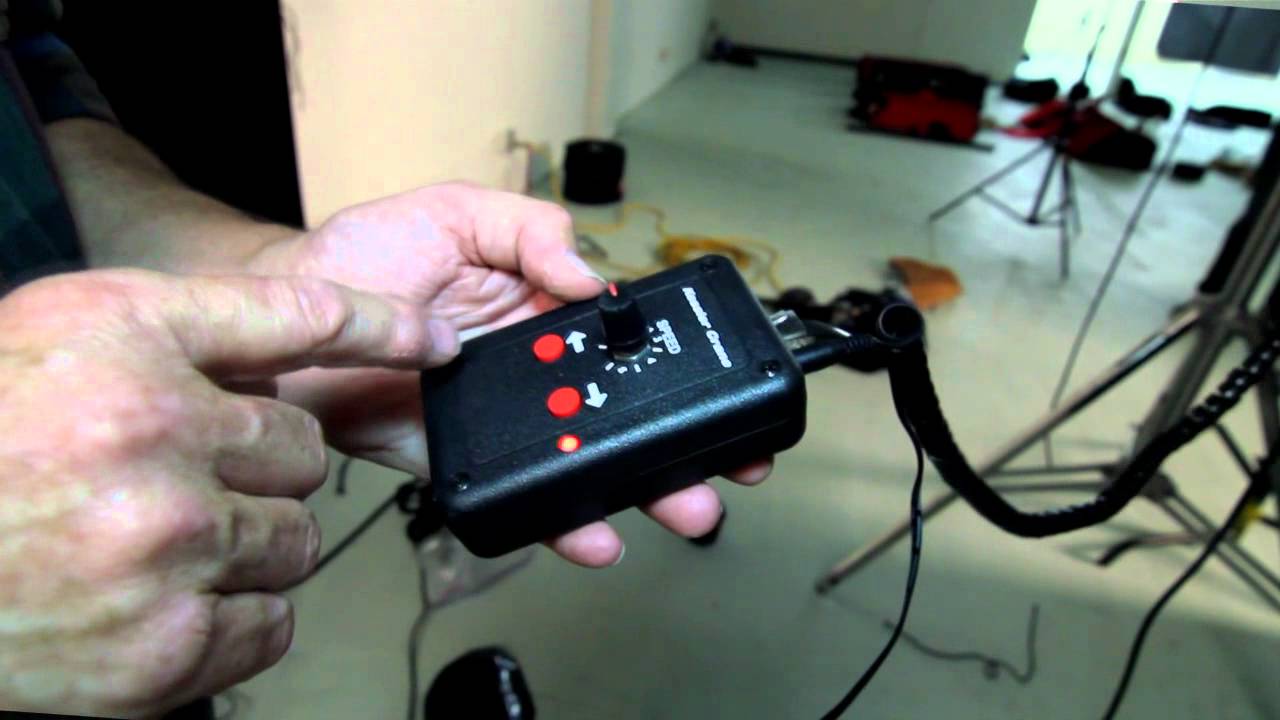
There are problems in commercial studio work that nobody warns you about until they cost you a job. Time-lapse is one of them. Clients ask for it more than they used to, especially for social content and behind-the-scenes brand work, and the default assumption is that you just point the camera at something and let it run. What they don’t account for is the complexity that comes when you want to control the light completely, which is every studio shooter’s instinct.

On-Axis Fill: The One Placement Rule That Eliminates Crossed Shadows for Good

On-Axis Fill: The One Placement Rule That Eliminates Crossed Shadows for Good

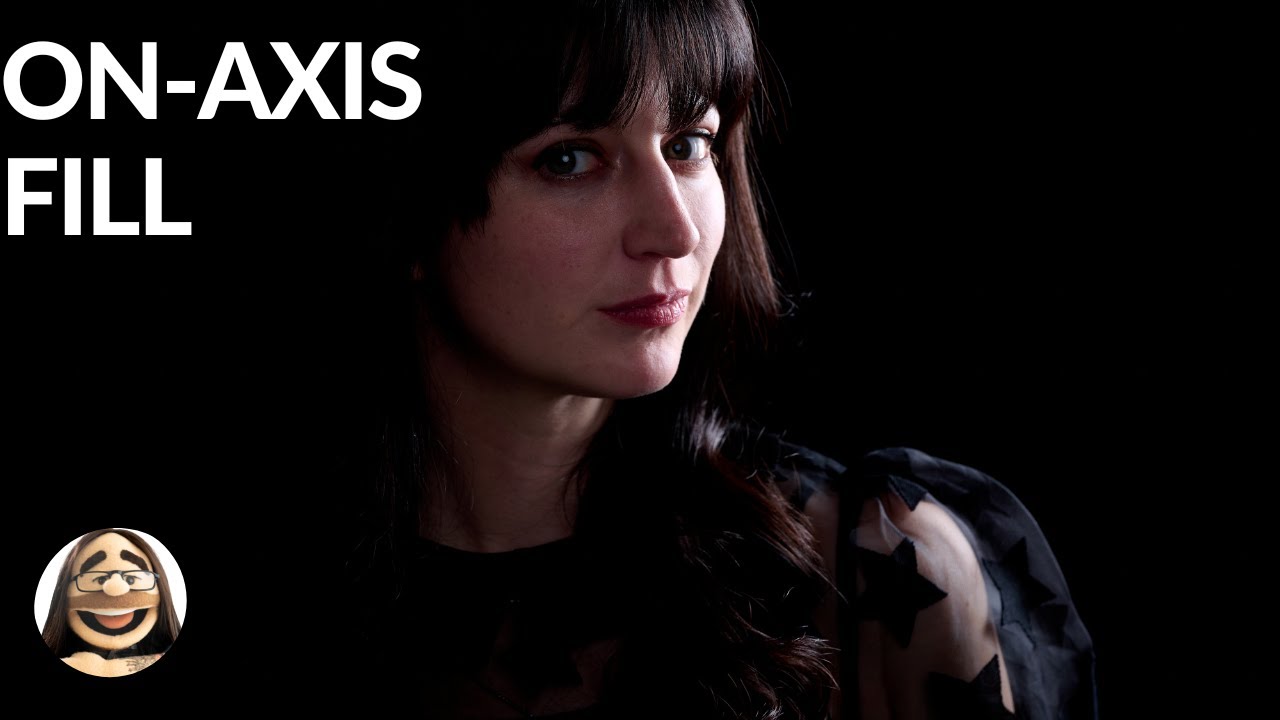
Every time I walk into a studio rental and see a photographer’s fill light parked directly opposite the key light, I know exactly what their images look like before I even glance at the camera. Two competing shadow directions. A muddy, restless quality across the face that no amount of retouching fully fixes. I’ve been there. Early in my career I set up fill lights wherever they happened to be convenient, and I spent hours in post wondering why the skin tones felt so complicated.

How to Build a Believable Studio Set (And Light It So Nobody Knows It Isn't Real)

How to Build a Believable Studio Set (And Light It So Nobody Knows It Isn't Real)

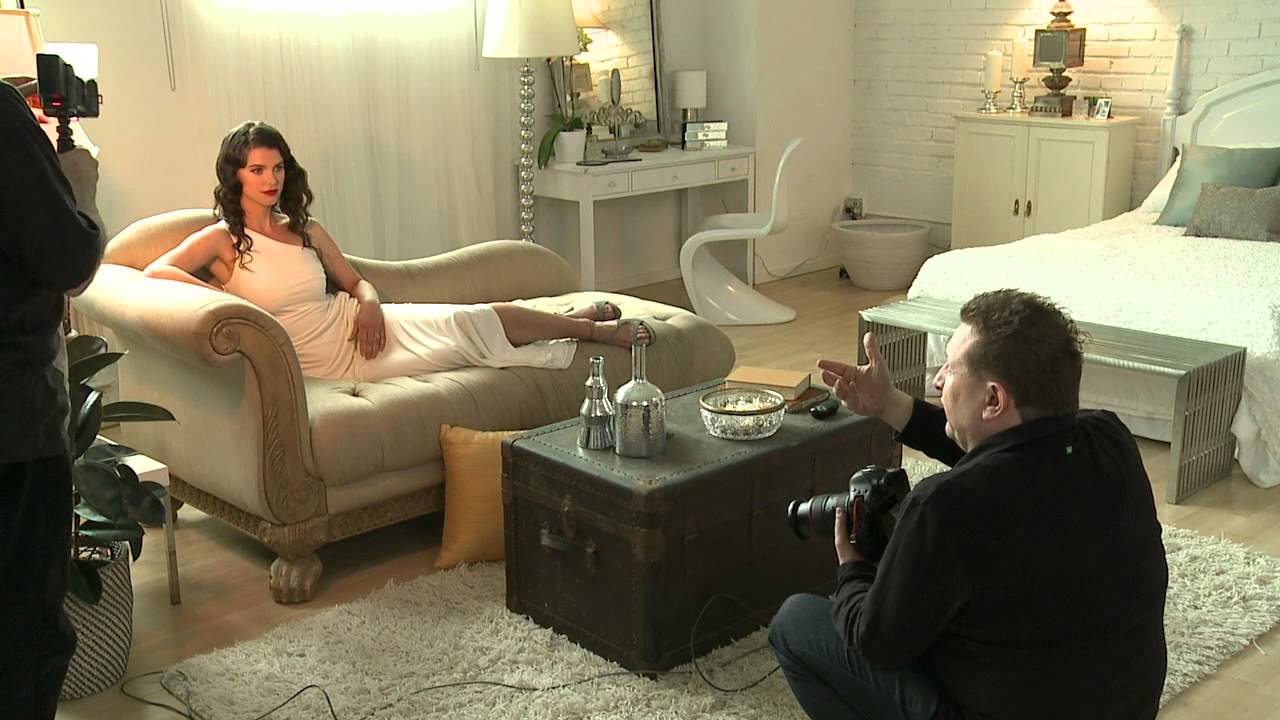
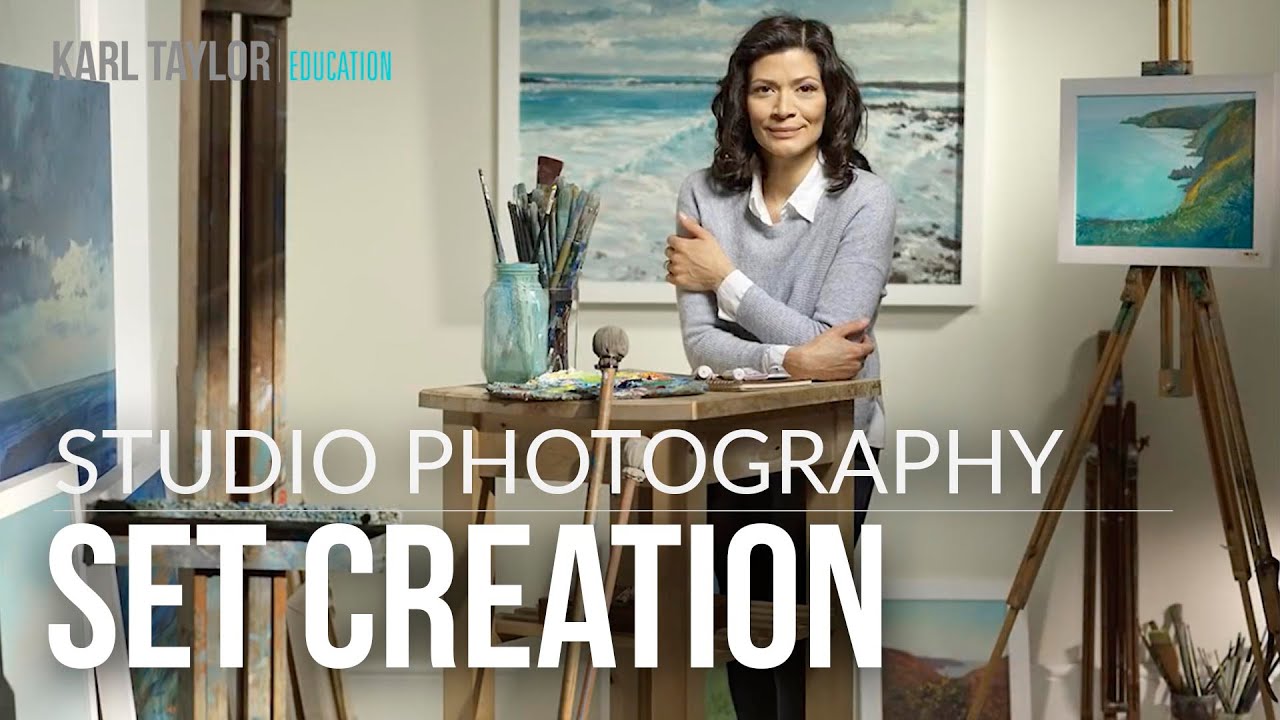
Every commercial photographer hits the same wall eventually. The client wants a living room. Or a doctor’s office. Or an artist’s studio. And your budget doesn’t stretch to a location scout, a permit, and a half-day of travel. For years, I dealt with this by shooting on location and fighting whatever the space gave me in terms of light, color temperature, and geometry. It was a constant compromise. Then I started building my own sets in-studio and realized I’d been making my life unnecessarily hard.

Deep Focus Umbrellas Under the Microscope: What the Price Tag Actually Buys You

Deep Focus Umbrellas Under the Microscope: What the Price Tag Actually Buys You

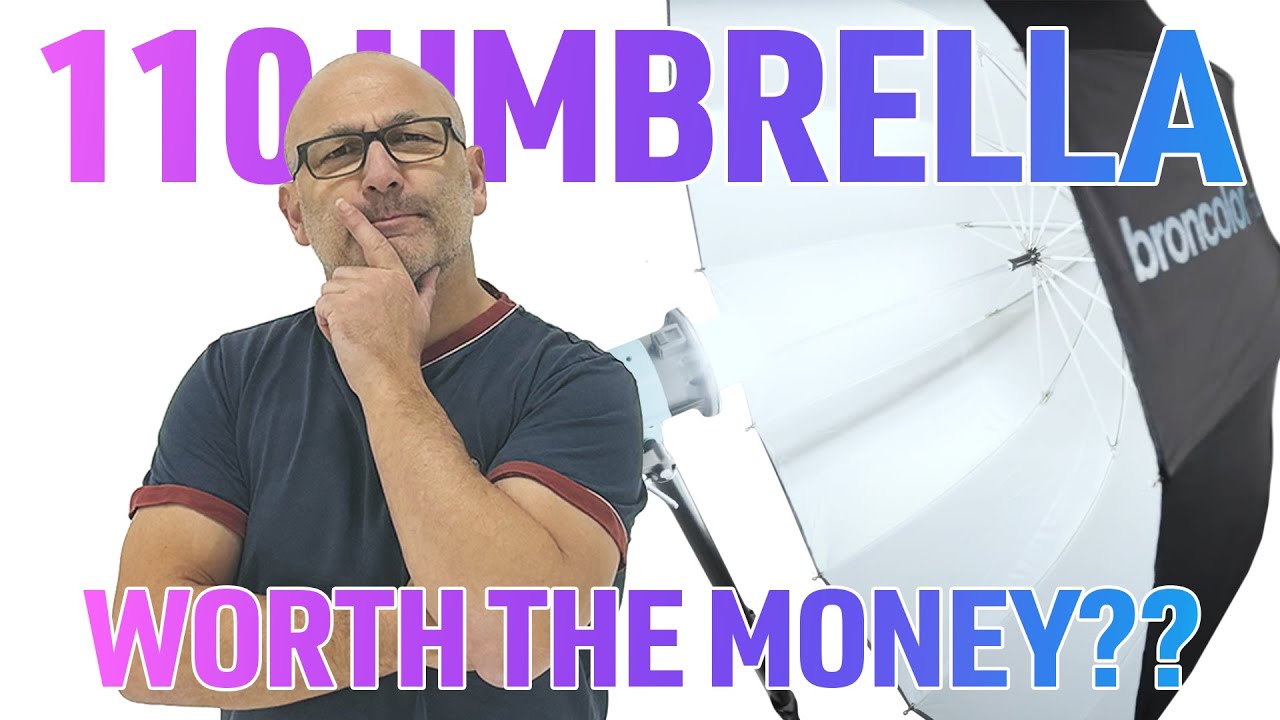
Every modifier purchase I make goes through the same test: I unbox it, mount it, fire a strobe through it, and write down exactly what I see before I shoot a single frame with it. I’ve been burned too many times by gear that looks impressive in a product photo but produces muddy, unflattering light on a real subject. So when the deep focus parabolic-style umbrella kept coming up in conversations with other commercial shooters, I went looking for a rigorous comparison, not a marketing demo.