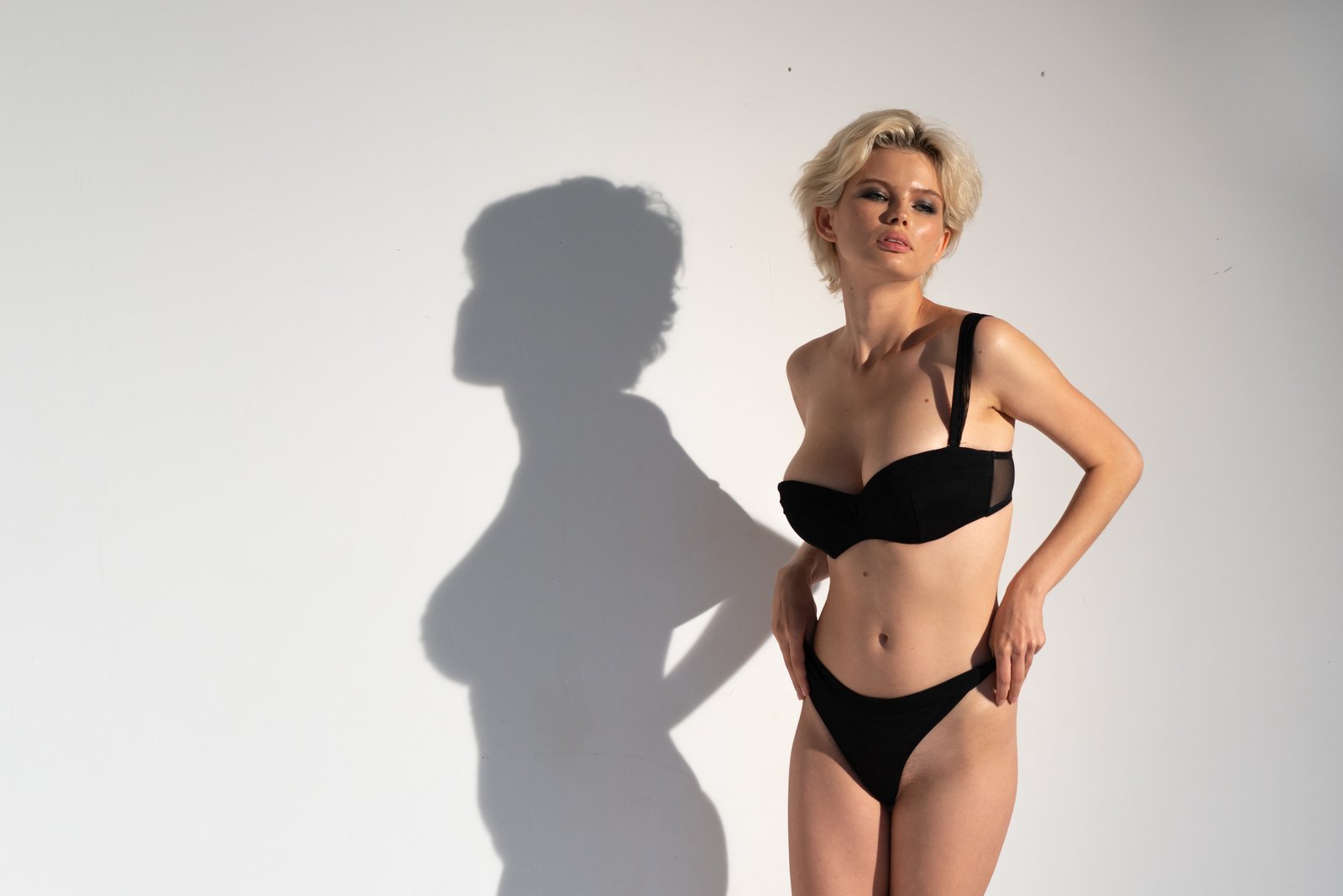
Why Your Flash Looks Nothing Like the Tutorial (And How to Fix the Gap Between Power and Output)

Why Your Flash Looks Nothing Like the Tutorial (And How to Fix the Gap Between Power and Output)

The Number on the Dial Is Not the Light on Your Subject I’ve been taping labels on every light in my studio since about 2009. Each piece of gaffer tape has the unit’s actual measured output at full power, the modifier currently mounted, and the distance I most commonly park it from my subject. It looks obsessive, I know. But the reason I started doing it is simple: I got tired of the number on the back of the strobe lying to me.
Blue Rim Light, a Snoot, and a Piece of Foam: How Three Lights Can Build a Moody Portrait

Blue Rim Light, a Snoot, and a Piece of Foam: How Three Lights Can Build a Moody Portrait

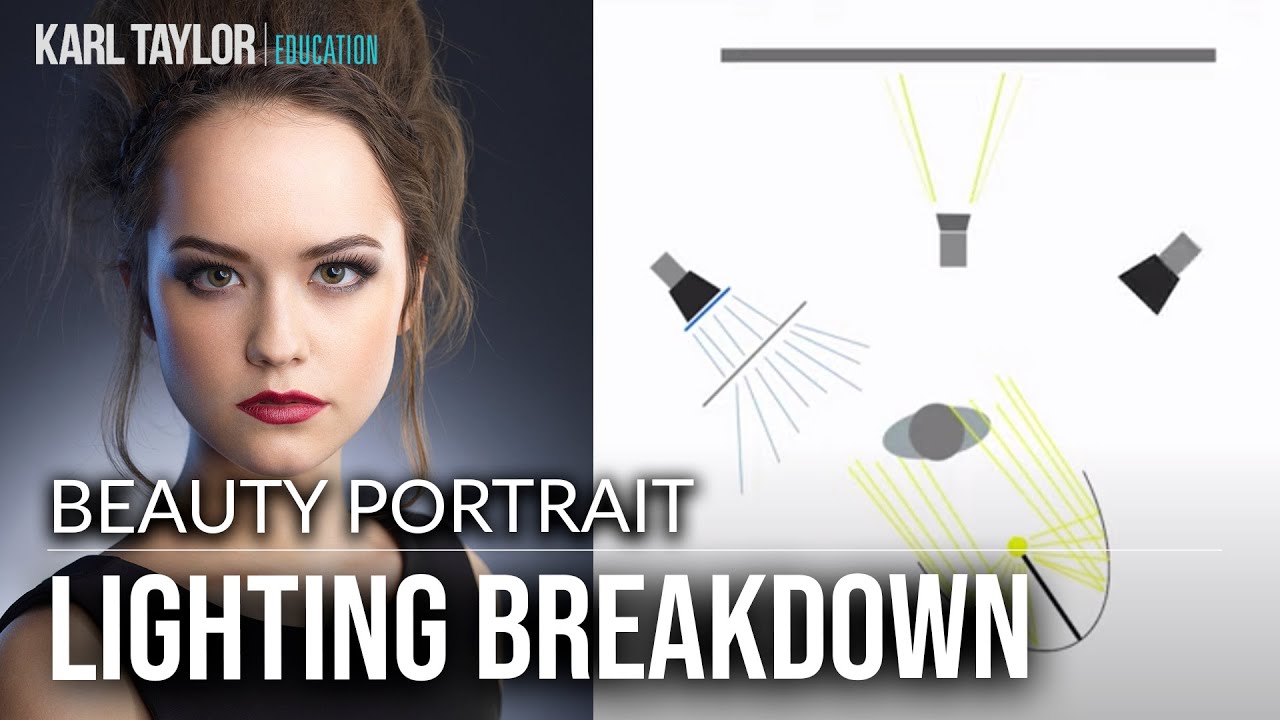
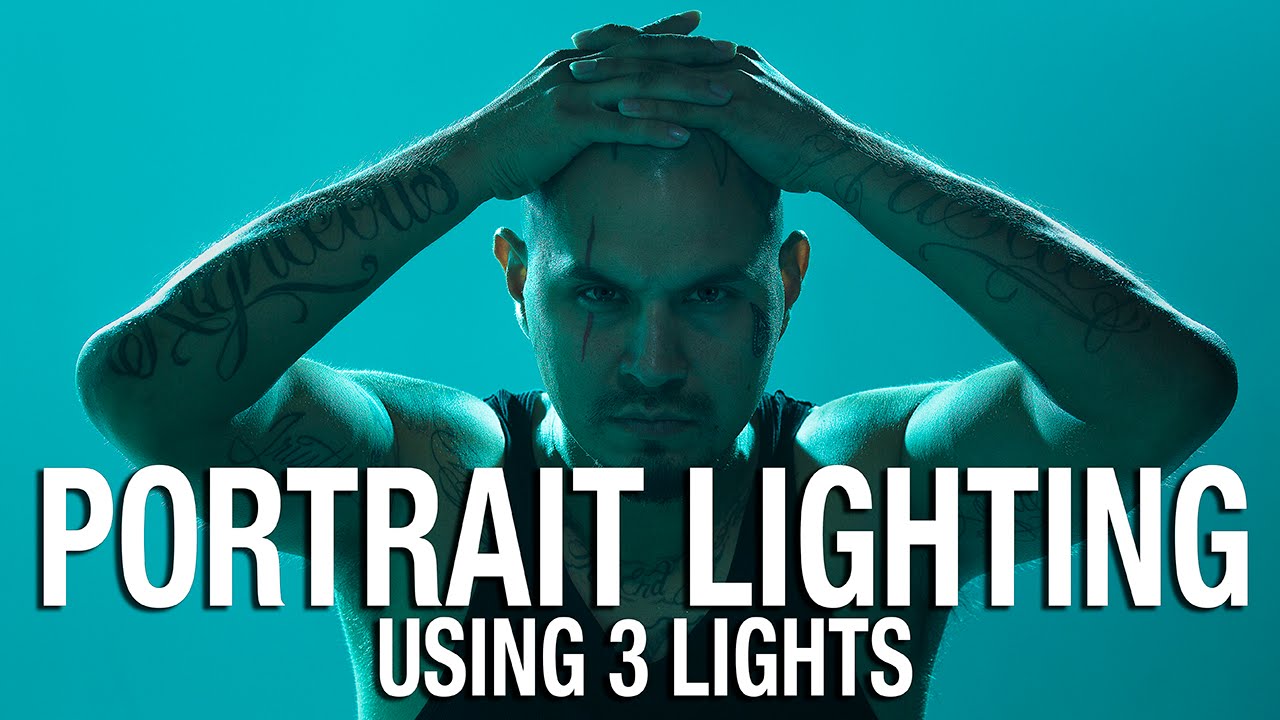
There’s a setup problem I run into constantly on commercial jobs: the client wants drama, the budget allows for maybe a half-day studio rental, and I need to build a look that feels expensive without stacking up eight light heads and a crew of three assistants. The answer, almost every time, is learning to do more with less. Colored rim lights, a tight modifier on the key, and a reflector you found leaning against the wall.

You Don't Need to Memorize Ratios to Light Well — Here's What Actually Works

You Don't Need to Memorize Ratios to Light Well — Here's What Actually Works

There’s a label maker on my workbench right now, next to a roll of masking tape I use to tag every light in my studio. I’ve always been the kind of photographer who wants to know exactly what everything is doing and why. So when I first heard a working photographer say out loud that he doesn’t consider himself a “technical photographer,” my instinct was to push back. Then I actually listened to what he meant, and it reframed something I’d been overcomplicating for years.

Your Camera Doesn't Make the Shot. Your Light Does.

Your Camera Doesn't Make the Shot. Your Light Does.

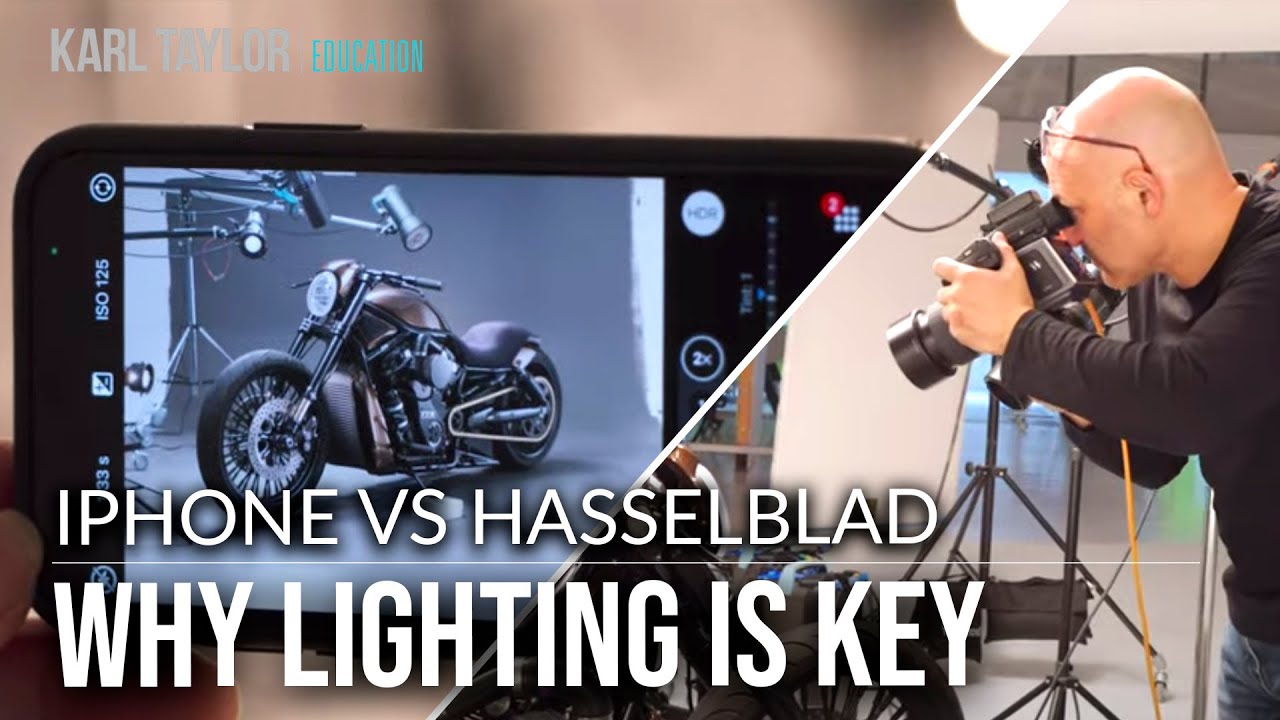
Clients ask me about my camera constantly. At commercial shoots, someone from the brand’s marketing team almost always wanders over and says something like, “Is that a Hasselblad? That must be why the shots look so good.” I’ve stopped arguing about it. But the truth is, the camera is the last thing determining whether your studio image succeeds or falls apart. The first thing is always the light. That’s why a recent Visual Education tutorial stopped me mid-scroll.

How Karl Taylor Actually Lit That Shot (And Why Lighting Ratios Are the Wrong Question)

How Karl Taylor Actually Lit That Shot (And Why Lighting Ratios Are the Wrong Question)

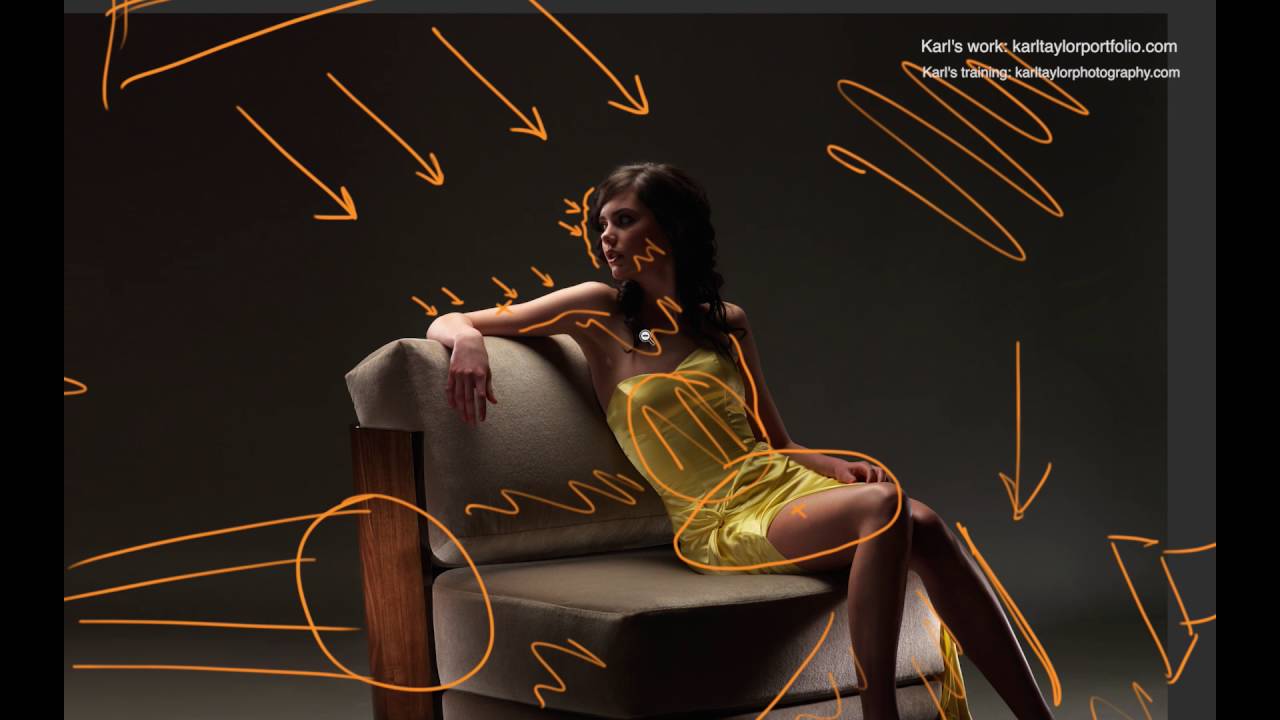
Every time I finish a commercial shoot and review the selects, I flip back through my lighting journal and check what I sketched before the first frame fired. More often than not, the setup that worked was not the setup I planned. It was the one I adjusted after reading the shadows. That habit, paying close attention to what the dark areas are doing rather than obsessing over the bright ones, is something I picked up slowly over years of editorial work.

Packs, Monoblocks, and the Long Road to a Lighting System That Actually Works for You

Packs, Monoblocks, and the Long Road to a Lighting System That Actually Works for You

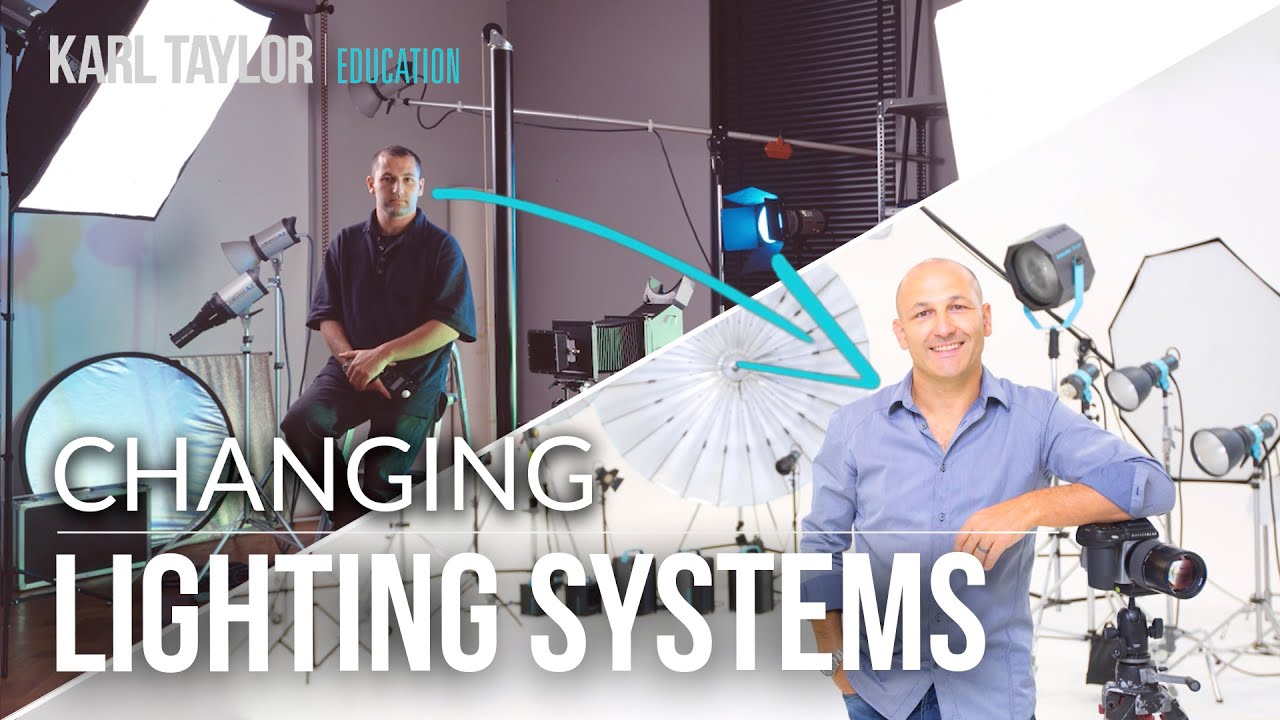
I spent years shooting with the same lighting system out of inertia. Not loyalty, not satisfaction — inertia. Switching meant replacing modifiers, learning new mount systems, retiring gear that still technically worked. So I kept renting when a job demanded something my kit couldn’t deliver, telling myself it was more practical than committing to a full system change. It wasn’t until I started losing hours on set to workarounds that I finally admitted the system was slowing me down.

Faking Window Light in the Studio: How to Sell the Lie With Two Lights

Faking Window Light in the Studio: How to Sell the Lie With Two Lights

There is a specific failure mode I see constantly in studio work where photographers create technically correct light that still feels wrong. The exposure is clean, the modifiers are appropriate, the histogram is fine. But the image has no sense of place. It could have been shot anywhere, at any time, under any conditions. That placelessness kills the mood before the viewer even registers it consciously. The ability to fake a real-world light source, something with narrative weight like a streetlight, a hotel window, a passing car, is one of the most useful skills a working photographer can develop, and it is one I keep returning to in my own commercial work.

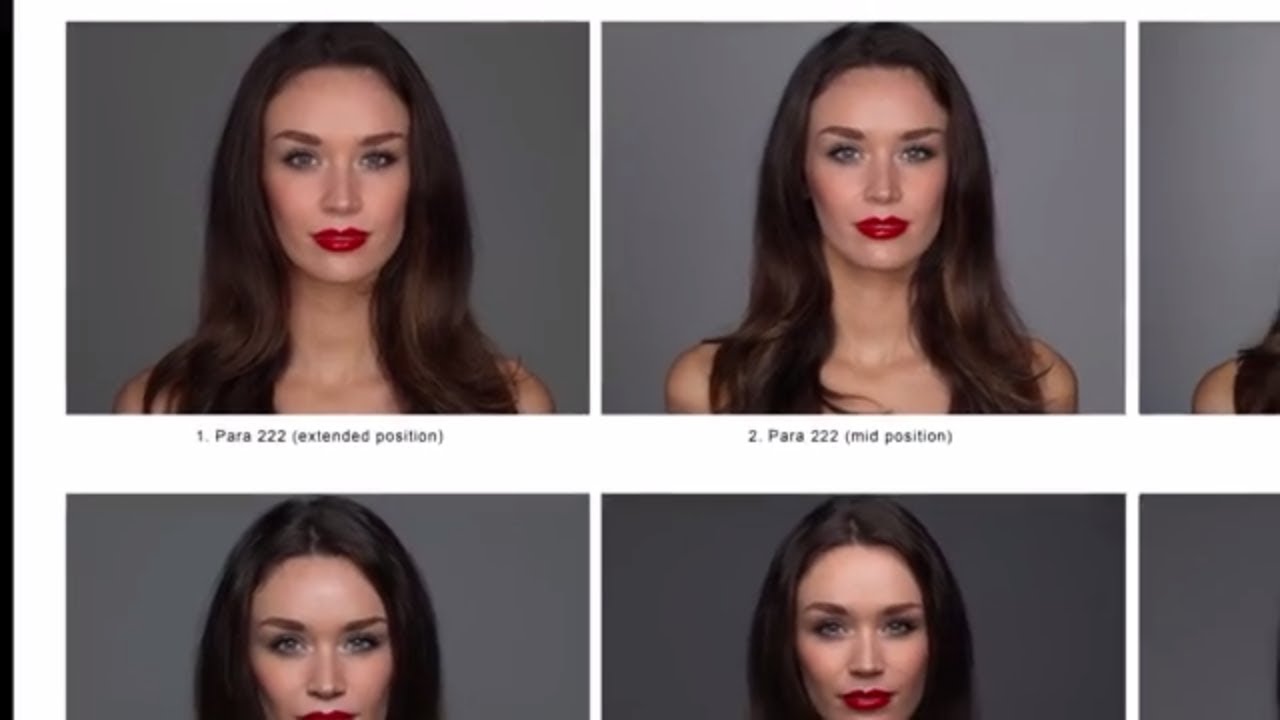
Parabolic Light Modifiers for Beauty Photography: What the Shape Actually Does and Why It Matters

Parabolic Light Modifiers for Beauty Photography: What the Shape Actually Does and Why It Matters

Every beauty photographer eventually hits the same wall. You own a softbox, maybe a beauty dish, and both produce decent results. But there’s a quality of light you keep seeing in high-end editorial work that you can’t quite replicate. It has depth to it. A kind of directionality that feels both soft and precise at the same time. For years I assumed it was retouching. It wasn’t. It was the modifier.

The Laser Trick That Tells You Exactly Where to Put Your Light

The Laser Trick That Tells You Exactly Where to Put Your Light

Product photography has a way of humbling you fast. You can nail the composition, dial in a clean background, get the focus exactly where you want it, and still end up with a shot that looks flat, cheap, or just wrong in some way you can’t immediately name. Nine times out of ten, when I pull up a disappointing product frame on my tethered monitor, the culprit is the reflection sitting in exactly the wrong place on the surface.

How to Light a Boudoir Scene With Depth, Glow, and Edge: A Four-Light Breakdown

How to Light a Boudoir Scene With Depth, Glow, and Edge: A Four-Light Breakdown

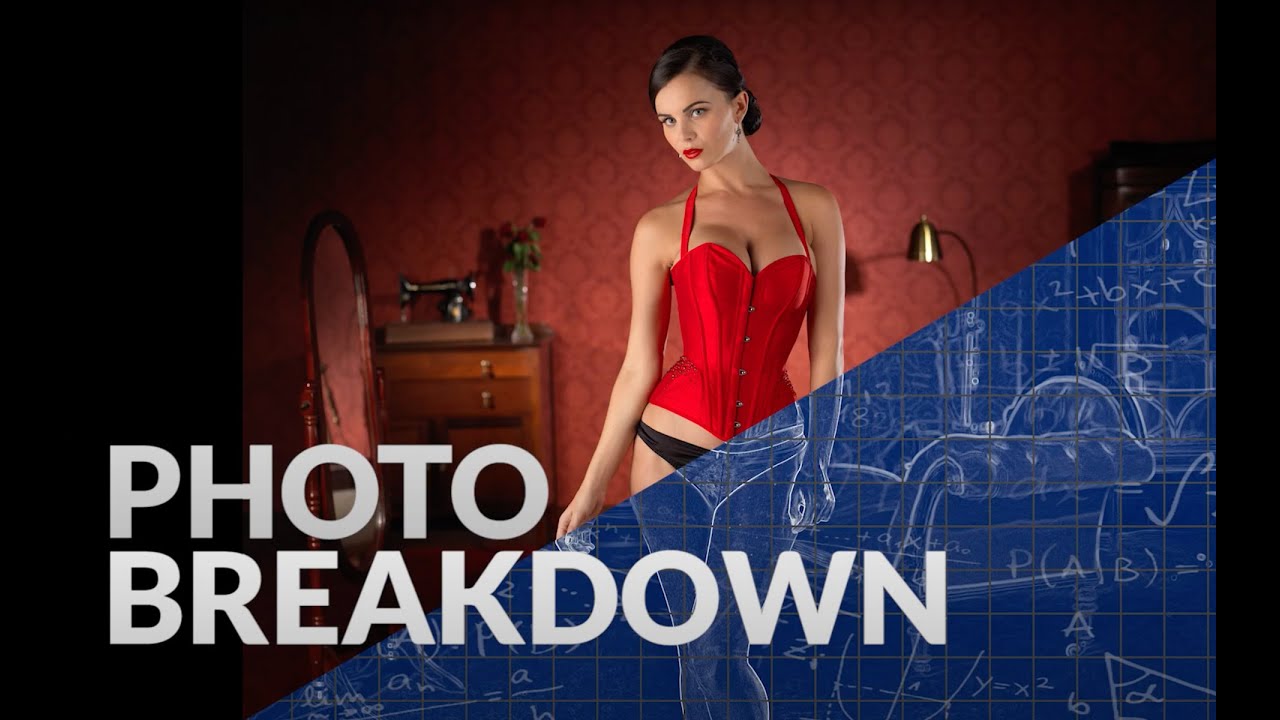
Boudoir is one of those genres that punishes lazy lighting more than almost anything else. The intimacy of the subject demands that every light feel intentional, warm, and placed with care. Too flat and the image reads like a passport photo. Too dramatic and you lose the mood entirely. For years I kept a tear-out from a European fashion magazine pinned above my lighting kit because I could not figure out how the photographer had layered background light against skin light so seamlessly.

Breaking Down a 4-Light Model Headshot Setup (And the Blue Gel Detail Most Photographers Miss)

Breaking Down a 4-Light Model Headshot Setup (And the Blue Gel Detail Most Photographers Miss)

Every few months I come across a tutorial that makes me pause and actually sketch something into my lighting journal. Most videos rehash the same three-light setups I could draw from memory. This one stopped me. Watch the full tutorial on YouTube before or after you read this, because the image of model Alex Kelly that opens it is worth studying on its own. In this Visual Education tutorial, photographer Carl walks through a headshot setup he shot live, in front of an audience, which immediately tells you something about how confident he is in this particular configuration.

Speedlights in the Studio: What I Wish Someone Had Told Me Before My First Portable Flash Shoot

Speedlights in the Studio: What I Wish Someone Had Told Me Before My First Portable Flash Shoot

Every working photographer I know has a box of speedlights sitting in a closet somewhere. They bought them early on, used them for events or fill flash, then graduated to strobes and never looked back. I did the same thing. For years I treated my speedlights as backup gear, the kind of thing you grab when a power outlet isn’t available or a client wants something “run and gun.” It took me an embarrassingly long time to understand that with the right approach, those little units can produce images that hold up against full studio setups.