Faking Window Light in the Studio: How to Sell the Lie With Two Lights

Faking Window Light in the Studio: How to Sell the Lie With Two Lights

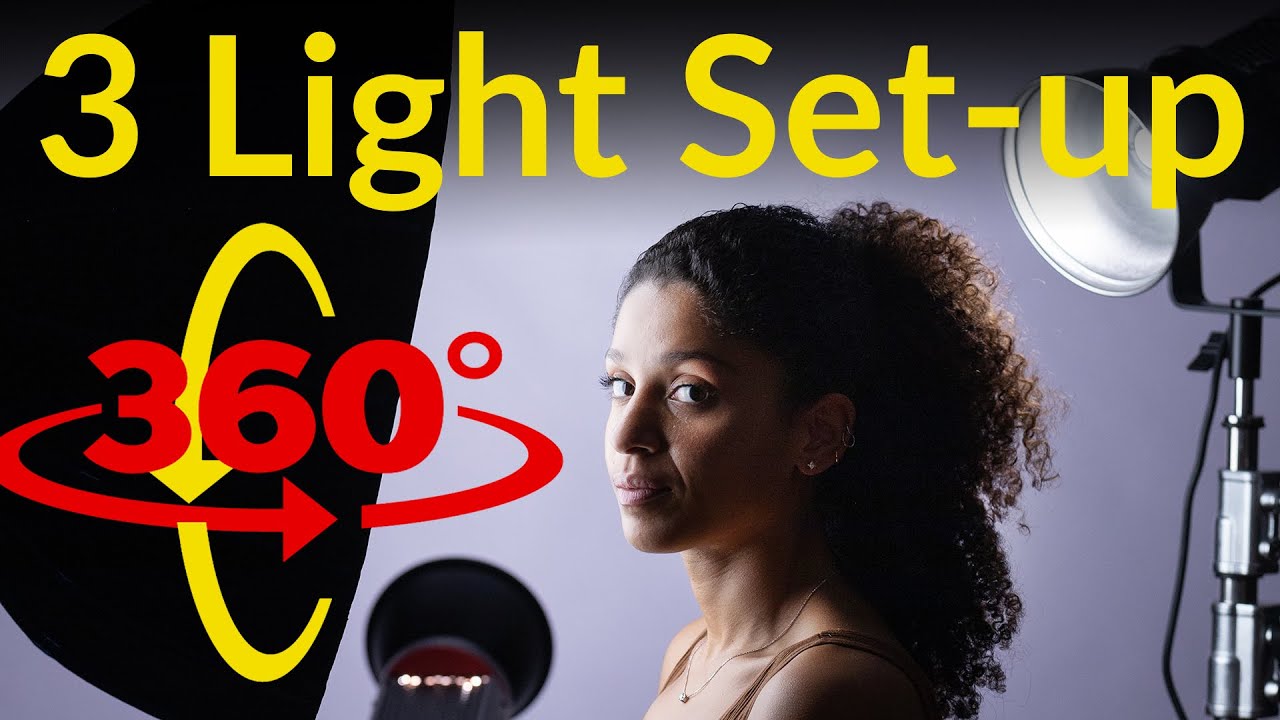
There is a specific failure mode I see constantly in studio work where photographers create technically correct light that still feels wrong. The exposure is clean, the modifiers are appropriate, the histogram is fine. But the image has no sense of place. It could have been shot anywhere, at any time, under any conditions. That placelessness kills the mood before the viewer even registers it consciously. The ability to fake a real-world light source, something with narrative weight like a streetlight, a hotel window, a passing car, is one of the most useful skills a working photographer can develop, and it is one I keep returning to in my own commercial work.

Parabolic Light Modifiers for Beauty Photography: What the Shape Actually Does and Why It Matters

Parabolic Light Modifiers for Beauty Photography: What the Shape Actually Does and Why It Matters

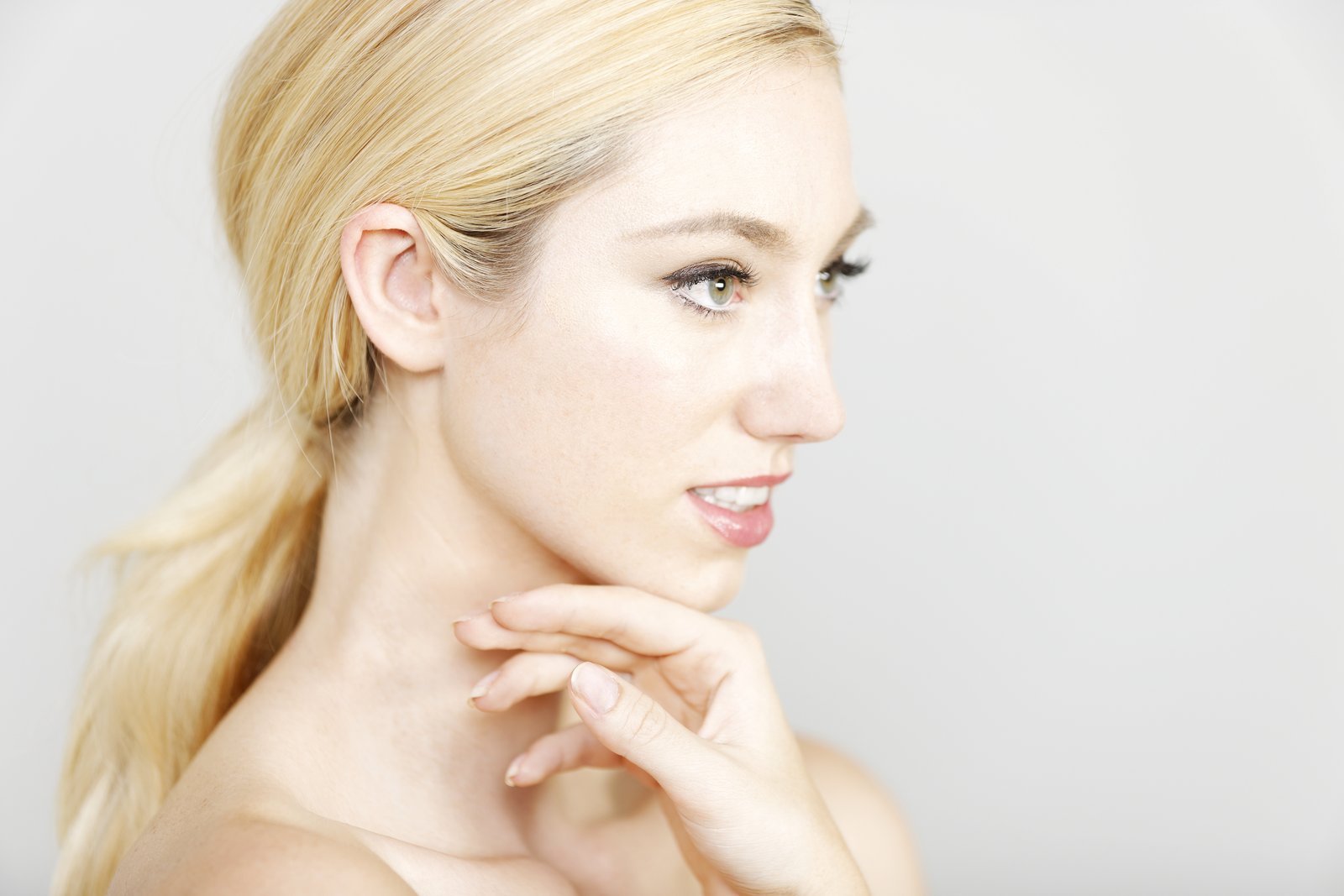
Every beauty photographer eventually hits the same wall. You own a softbox, maybe a beauty dish, and both produce decent results. But there’s a quality of light you keep seeing in high-end editorial work that you can’t quite replicate. It has depth to it. A kind of directionality that feels both soft and precise at the same time. For years I assumed it was retouching. It wasn’t. It was the modifier.

What Anne Geddes's Studio Teaches Every Working Photographer About Trust, Team, and Baby Lighting

What Anne Geddes's Studio Teaches Every Working Photographer About Trust, Team, and Baby Lighting

There’s a question I get at workshops almost every time: “How do you handle unpredictable subjects?” Usually the person asking is talking about a difficult client or a fidgety model. But the hardest version of that problem is photographing infants, where you have zero verbal communication, a narrow window of cooperation, and something genuinely precious at stake. I’ve shot enough commercial work to know that the gap between a controlled adult portrait session and a session with a six-month-old is not a gap, it’s a canyon.

Speedlights in the Studio: What I Wish Someone Had Told Me Before My First Portable Flash Shoot

Speedlights in the Studio: What I Wish Someone Had Told Me Before My First Portable Flash Shoot

Every working photographer I know has a box of speedlights sitting in a closet somewhere. They bought them early on, used them for events or fill flash, then graduated to strobes and never looked back. I did the same thing. For years I treated my speedlights as backup gear, the kind of thing you grab when a power outlet isn’t available or a client wants something “run and gun.” It took me an embarrassingly long time to understand that with the right approach, those little units can produce images that hold up against full studio setups.

Breaking the Soft Light Mold: Mastering Barn Door Fixtures for High-Impact Portraits

Breaking the Soft Light Mold: Mastering Barn Door Fixtures for High-Impact Portraits

The Case Against Always Going Soft I’ve spent enough time in studios to recognize a truth that gets overlooked in contemporary portraiture: not every face needs to be wrapped in diffusion. The industry’s obsession with flattering, forgiving light has created a generation of photographers who panic at the sight of a bare bulb. But here’s what I’ve learned: sometimes the most compelling portraits come from controlled harshness. Fashion photographers understood this decades ago.

The Octabox 150: A Working Photographer's Case for the Most Useful Modifier in the Studio

The Octabox 150: A Working Photographer's Case for the Most Useful Modifier in the Studio

I have a masking tape label on almost every piece of gear in my studio. The octabox 150 gets its own label, but it also gets a permanent spot on the stand closest to my shooting position. That’s how often it goes up. When clients book a beauty or fashion job, this modifier is almost always my first pull. It’s large enough to wrap light around a face, forgiving enough for a moving subject, and controllable enough that I’m not fighting spill all day.

Why Your Subject Looks Flat: Posing as a Light Management Problem

Why Your Subject Looks Flat: Posing as a Light Management Problem

The Shoot That Made Me Rethink Everything I Knew About Posing Three years into shooting editorial work, I had a model in front of a 60-inch Photek Softlighter II and I could not figure out why every frame looked wrong. The light was correct. My exposure was dialed. The model was experienced and moving well. I kept chimping, kept adjusting the modifier position, kept second-guessing my Profoto B1 settings. It wasn’t until I asked her to rotate her shoulders about 15 degrees toward the light that the whole image snapped into place.

What a 34-Year Pro's Garage Studio Taught Me About Running a Real Portrait Business

What a 34-Year Pro's Garage Studio Taught Me About Running a Real Portrait Business

There’s a version of “studio goals” that lives on Instagram and costs about $40,000 to build. Concrete floors with custom epoxy. Seamless white walls. A prop room that looks like a Brooklyn loft. I’ve been in those studios. Some of them produce incredible work. A lot of them are monuments to overhead. So when I came across this studio tour from The Portrait System featuring Paul Gero, I kept watching because what he’s built is the opposite of that, and it’s clearly working.

Small Studio, Strong Light: What Ashleigh Taylor's 300-Square-Foot Space Teaches Every Portrait Photographer

Small Studio, Strong Light: What Ashleigh Taylor's 300-Square-Foot Space Teaches Every Portrait Photographer

Space is the excuse I hear more than any other. Photographers tell me they need a bigger studio before they can do serious portrait work, before they can justify the rent, before they can start building a client base. I spent years believing a version of that myself. My first Los Angeles studio was just over 400 square feet and I treated it like a limitation rather than a constraint worth solving.

What Lenka Jones' Tiny UK Studio Taught Me About Building a Portrait Business That Actually Charges What It's Worth

What Lenka Jones' Tiny UK Studio Taught Me About Building a Portrait Business That Actually Charges What It's Worth

There’s a particular kind of photographer I pay close attention to: the one who built something real in an unlikely place. Not a loft in Manhattan or a converted warehouse in LA, but a wooden hut in a English village surrounded by fields. When I first watched this studio tour from The Portrait System, featuring UK-based portrait photographer Lenka Jones, I wasn’t expecting to come away rethinking how I structure my shooting space and how I talk to clients about money.

How Andrew Knowles Built a Studio Worth Copying (And What I Took Notes On)

How Andrew Knowles Built a Studio Worth Copying (And What I Took Notes On)

There’s a version of studio envy that’s unproductive. You scroll through someone’s setup, feel bad about your own, and move on. Then there’s the kind that makes you pull out a notebook. Andrew Knowles’ Dallas studio is firmly the second kind. In this Watch the full tutorial on YouTube studio tour from The Portrait System, Sue Bryce walks through the space Knowles built over roughly 18 months after transitioning from a pure outdoor location shooter to a full studio practice.

The Vanity Fair Two-Light Setup That Reignited My Love for Studio Portraiture

The Vanity Fair Two-Light Setup That Reignited My Love for Studio Portraiture

There’s a specific kind of dread that creeps in when a shoot isn’t working and you can’t diagnose why. The lights are set, the camera is dialed in, the subject is in front of you — and nothing. I’ve been there more than I’d like to admit. Usually the problem isn’t technical. It’s that I’ve stopped thinking about why I’m making the photograph and started just executing a sequence of habits.