Reading Light: How to Identify and Build Classic Studio Lighting Patterns From Scratch

Reading Light: How to Identify and Build Classic Studio Lighting Patterns From Scratch

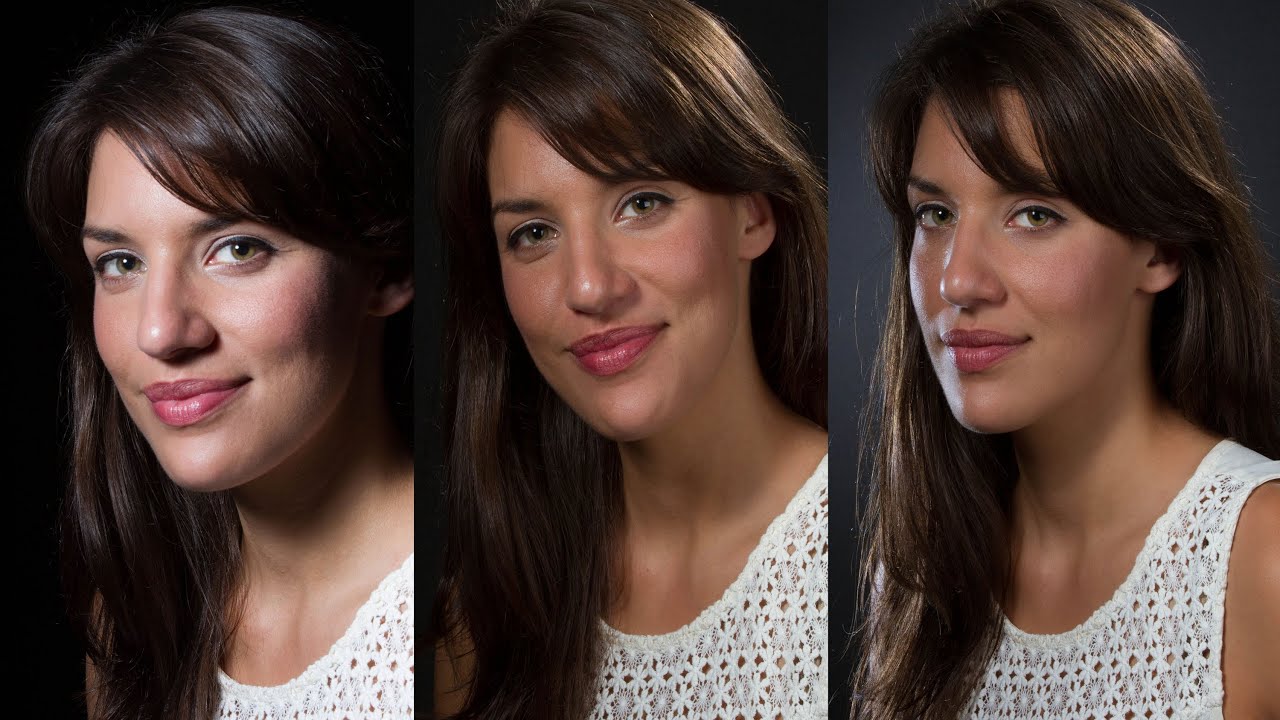
Every time I take on a new editorial client, I pull out my phone and open the lighting diagram app I built myself. Before a single strobe fires, I want a plan. But that habit only developed because I spent years doing the opposite — guessing, adjusting, guessing again — and occasionally ruining shots because I couldn’t read what the light was actually doing. The skill I was missing wasn’t gear knowledge.

Studio Anywhere: What Joel Grimes' Sprinter Van Teaches Us About Portable Portrait Lighting

Studio Anywhere: What Joel Grimes' Sprinter Van Teaches Us About Portable Portrait Lighting

There’s a specific kind of anxiety that hits when a client wants “something different” and your entire lighting setup lives in a studio you can’t move. I’ve felt it. You start mentally cataloging what you can rent, what you can beg from another photographer, whether a speedlight-and-reflector combo can pull off the look you promised. The answer is sometimes yes, but the planning overhead is brutal. That’s why when I came across this Joel Grimes tutorial showing how he built a fully functional portrait studio inside a Winnebago Revel Sprinter van, I watched it twice before breakfast.

What Sue Bryce's Studio Design Teaches Every Working Photographer About Space, Flow, and Client Psychology

What Sue Bryce's Studio Design Teaches Every Working Photographer About Space, Flow, and Client Psychology

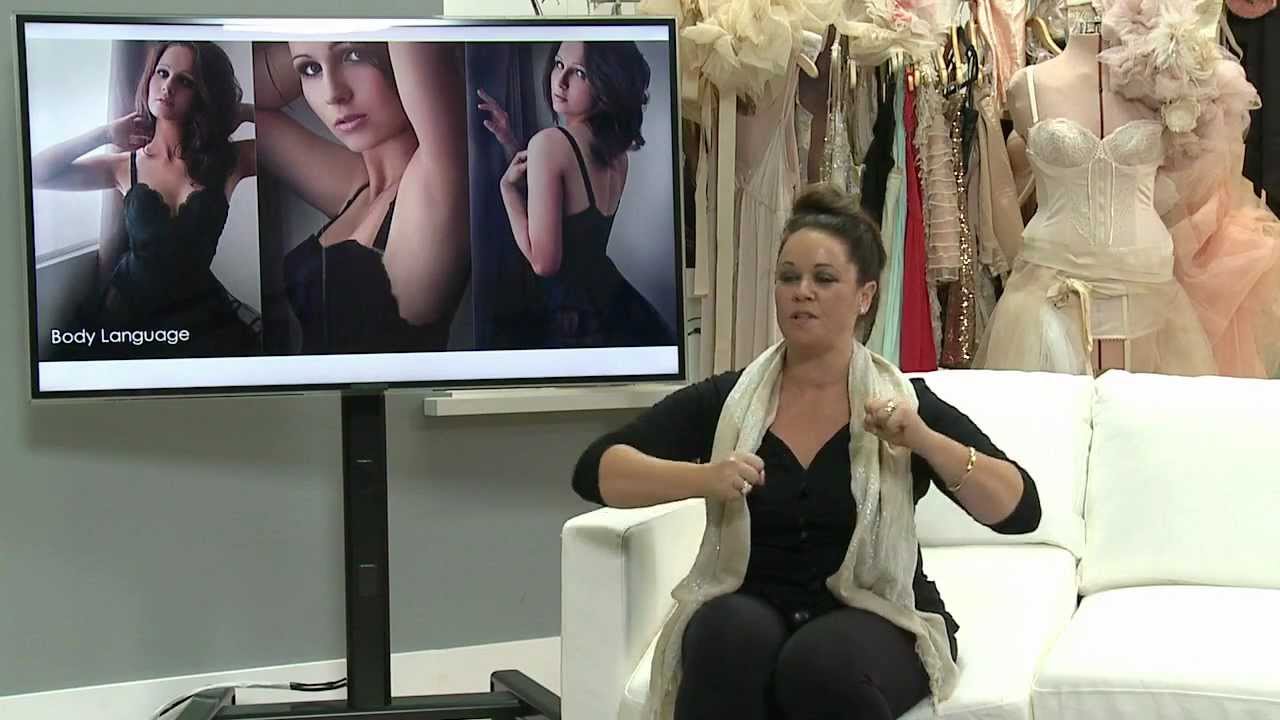
I’ve been in a lot of studios. Shot in borrowed spaces, rented daylight lofts, converted warehouses, and one genuinely terrible basement in Burbank where the ceiling was so low I had to angle every softbox sideways. What I’ve learned across all of them is that the physical space isn’t neutral. It talks to your clients before you do. It tells them what kind of photographer you are, what they can expect to pay, and whether they should trust you with something as personal as their own portrait.

The Social Media Formula Behind 730K Followers (And What Studio Photographers Can Actually Steal From It)

The Social Media Formula Behind 730K Followers (And What Studio Photographers Can Actually Steal From It)

Social media has never been the part of this job I enjoy. I am much more comfortable taping modifier names onto barn doors and sketching light plots in my journal than I am writing captions or thinking about posting schedules. But the business reality of running a studio in Los Angeles is that the photographers who get consistent work are the ones who show up consistently online. That tension has been sitting on my desk for years.

Why Lighting Ratios Are the First Thing I Check When a Studio Shot Isn't Working

Why Lighting Ratios Are the First Thing I Check When a Studio Shot Isn't Working

A few months back I was mid-way through a beauty editorial, two hours in, and something was off. The skin tones looked flat on one side and blown out on the other, and I kept adjusting my key light position when the real problem was simpler and more embarrassing. My ratio was wrong. I had not set a deliberate relationship between my key and fill before the first frame. I was chasing a symptom instead of diagnosing the cause.

One Light, Done Right: How a Single Strobe Can Outperform a Five-Light Setup

One Light, Done Right: How a Single Strobe Can Outperform a Five-Light Setup

The Overcomplicated Studio Is Usually a Confidence Problem Early in my career I watched a photographer I deeply respected spend forty-five minutes adjusting a six-light setup for a headshot. He kept adding lights to fix problems the previous lights had created. A rim light to separate the subject from the background. A hair light to compensate for the rim light killing the shadow detail. A kicker on the opposite side because now the image felt unbalanced.

Rim Lighting Done Right: The Setup That Separates Flat Studio Shots from Images That Actually Sell

Rim Lighting Done Right: The Setup That Separates Flat Studio Shots from Images That Actually Sell

I pulled a tear-out from a magazine once, a full-page beauty editorial, and spent about forty minutes staring at the catchlights and shadow edges trying to reverse-engineer the setup. Two rim lights, one key, a reflector below the chin. I sketched it in my lighting journal, taped it to the wall, and built it. The first test frame looked almost identical to the tear-out. That was the day I understood that rim lighting is not a creative accident.

The Science of Authentic Smiles: Why Say Cheese Fails in the Studio

The Science of Authentic Smiles: Why Say Cheese Fails in the Studio

The Science of Authentic Smiles: Why “Say Cheese” Fails in the Studio I’ve watched hundreds of photographers default to the same tired direction: “Say cheese!” Then I watch their clients deliver exactly what you’d expect—a tight, uncomfortable grimace that screams artifice. It’s a studio epidemic, and frankly, it needs to stop. The problem isn’t subtle. When you ask someone to say a word with a hard “ch” sound, you’re actually triggering the wrong facial muscles.

One Light, Done Right: How a Single Strobe Can Outwork a Five-Head Setup

One Light, Done Right: How a Single Strobe Can Outwork a Five-Head Setup

I used to own eleven lights. I counted them once while reorganizing my studio on a slow Tuesday, and the number genuinely embarrassed me. Not because eleven is too many, but because I could trace the purchase of at least four of them to insecurity. Some shoot went sideways, and my instinct was to buy another head, another fill, another hair light, as if more gear would paper over whatever I didn’t understand yet.

The Architecture of Posing: Building Flattering Angles Like You're Planning a Building

The Architecture of Posing: Building Flattering Angles Like You're Planning a Building

The Architecture of Posing: Building Flattering Angles Like You’re Planning a Building I’ve watched photographers waste exceptional light on poor posing. It’s like buying premium ingredients and burning the dish. The two aren’t separate—posing is part of your lighting equation. Get the pose wrong, and even perfect three-point lighting fails. Here’s what I’ve learned after thousands of sessions: posing isn’t artistic intuition. It’s geometry. Treat it like a recipe with specific measurements, and your results become predictable and repeatable.

The Four Lighting Patterns Every Studio Photographer Must Master

The Four Lighting Patterns Every Studio Photographer Must Master

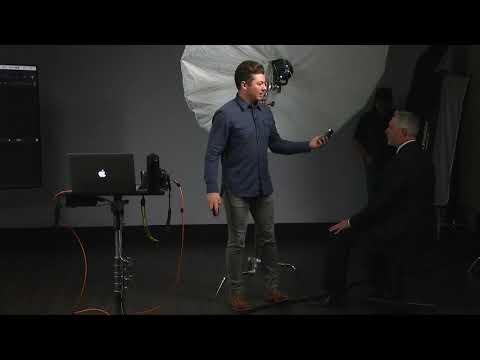
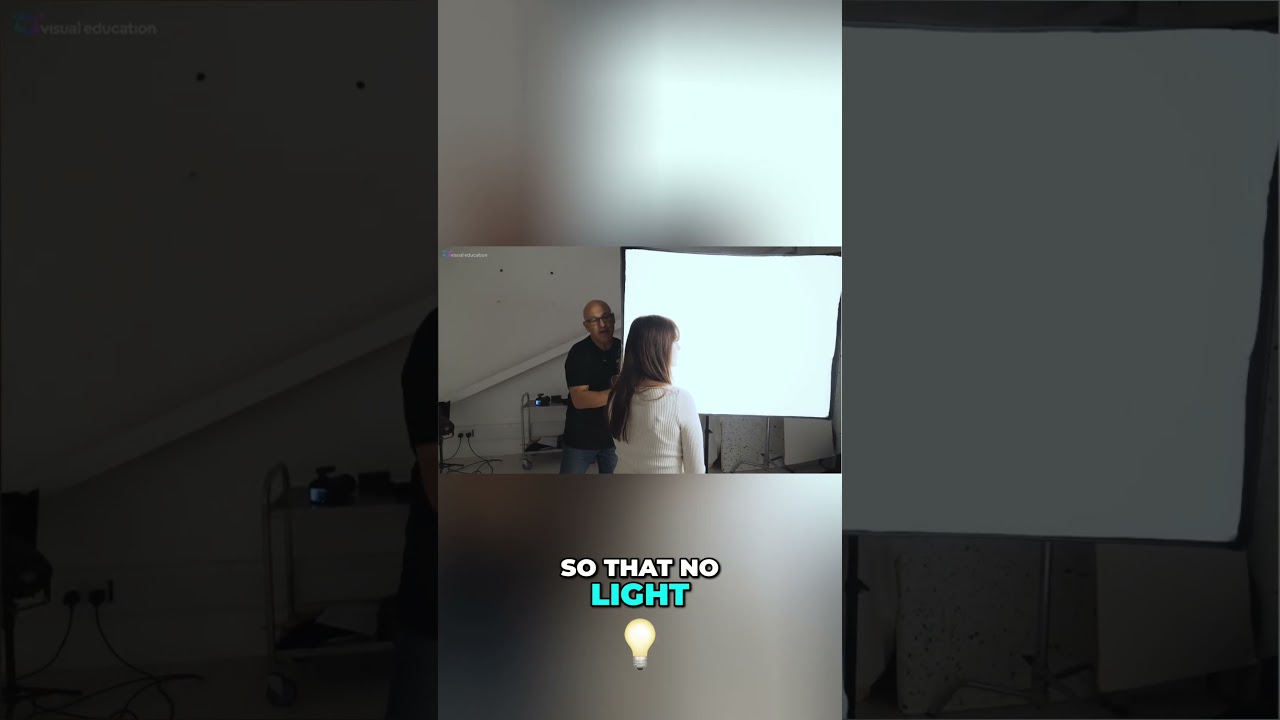
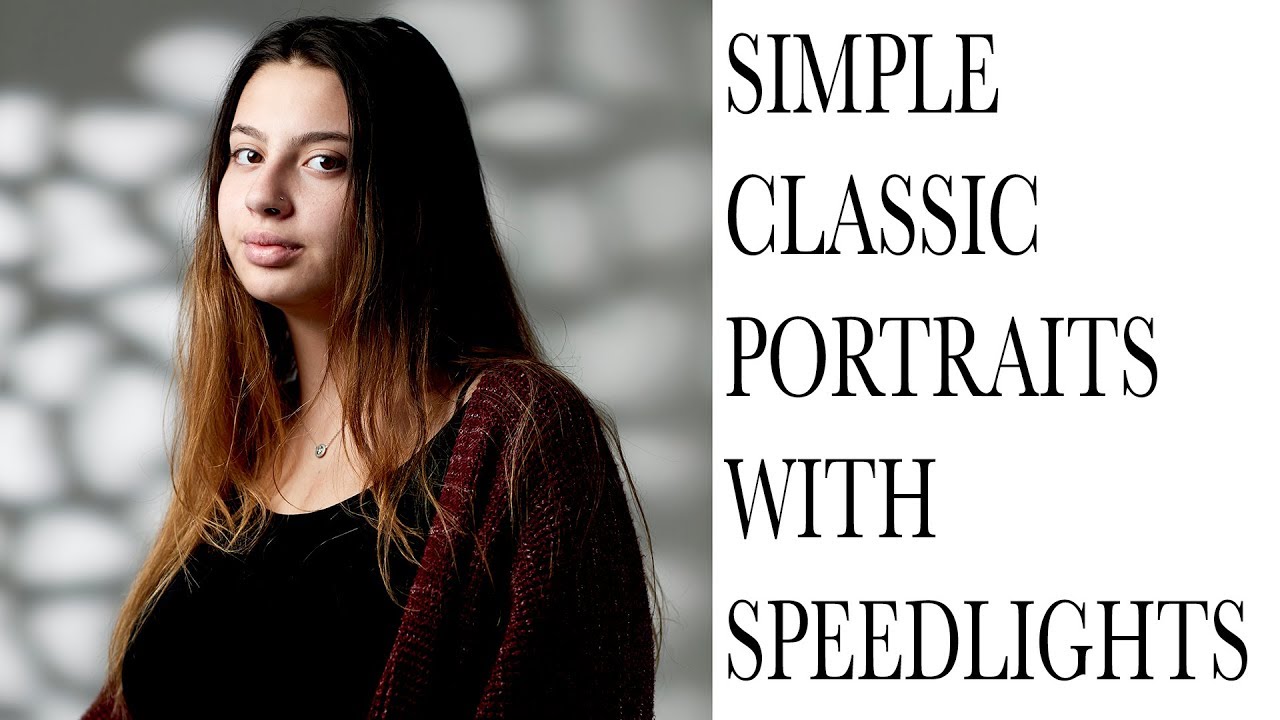
In this excellent tutorial, Joel Grimes breaks down the intimidating world of studio portrait lighting into four manageable, repeatable patterns. If you’ve ever felt overwhelmed by the complexity of studio work, this is exactly where you need to start. I’ve been lighting portraits for fifteen years, and I can tell you with absolute certainty: these four patterns are the foundation of professional photography. Master them, and you’ll immediately understand why your portraits suddenly look like they belong in a portfolio instead of on Instagram.

The Five Posing Fundamentals That Actually Work

The Five Posing Fundamentals That Actually Work

The Five Posing Fundamentals That Actually Work I’ve watched photographers spend thousands on lights, modifiers, and reflectors—then squander it all by positioning their subject like a department store mannequin. Posing isn’t art; it’s applied geometry. Get the angles right, and lighting does half the work for you. After fifteen years in studio work, I’ve distilled posing down to five non-negotiable principles. Follow these, and you’ll see immediate improvement. Ignore them, and no amount of gear will save you.